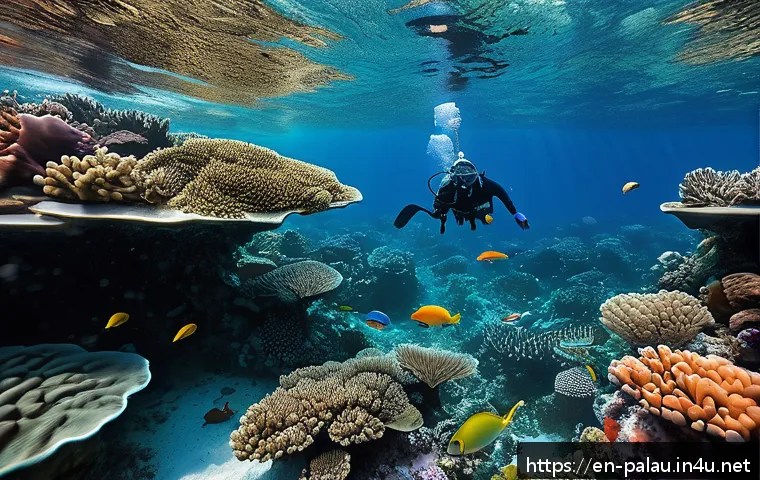
Before booking a Palau trip, verify entry requirements, customs restrictions, and rules for the specific activities you plan to do. Do not assume that a hotel, social-media post, or tour listing covers every permit, conservation fee, or legal requirement.
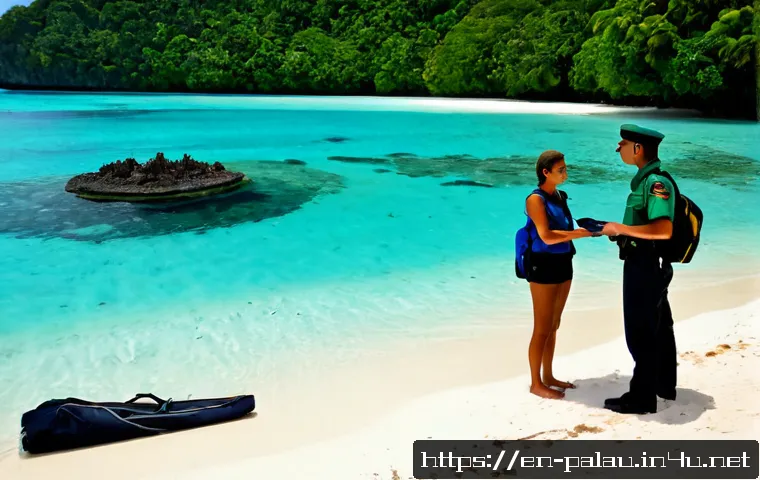
This matters most for divers, island-hoppers, drone users, anglers, and travelers carrying medicines or outdoor equipment. A licensed operator, flexible transfer arrangement, and suitable travel insurance may cost more upfront but can reduce disruption if rules, weather, or access conditions change.
Check official information before paying for non-refundable flights, dive packages, vehicle rentals, or boat charters.
At a Glance
- Confirm passport, entry, and nationality-specific visa requirements before purchasing non-refundable travel.
- Check customs rules for medicines, food, plants, controlled items, and equipment that could affect local ecosystems.
- For diving, boating, fishing, filming, or drone use, verify site-specific permits, fees, and operator instructions.
| Planning Factor | Independent Planning | Licensed Operator Booking |
|---|---|---|
| Permits and access rules | You must confirm whether permits, fees, or restrictions apply to each activity and location. | The operator may explain local procedures, but you should still confirm what is included. |
| Marine guidance | You are responsible for understanding protected-area rules and safe reef behavior. | A qualified dive or boat provider can give site instructions and activity guidance. |
| Changes and cancellations | Review each flight, hotel, transport, and charter policy separately. | Ask how weather-related changes, access closures, and itinerary substitutions are handled. |
| Insurance needs | Compare coverage carefully for medical needs, delays, water activities, and rented vehicles. | Do not assume a tour package includes comprehensive travel or activity insurance. |
The Key Rules to Check Before Traveling to Palau
Entry documents, passport validity, and nationality-specific requirements
Many international visitors need a valid passport and must meet entry conditions that can depend on nationality and planned length of stay. Do not rely on an old travel forum thread for visa-free eligibility, passport-validity expectations, or current arrival procedures. These details can change, so confirm official entry guidance before finalizing flights or accommodation.
Why official confirmation matters before purchasing flights
A discounted flight can become expensive if it is non-refundable and your documents do not meet the applicable requirements. Check entry rules first, then compare flight conditions, airport transfer options, and cancellation terms. If your itinerary includes remote islands, diving, or fixed-date tours, look closely at how a missed or delayed arrival affects later reservations.
Items and Activities That May Be Restricted
Customs-sensitive goods, medicines, food, and outdoor equipment
Customs controls may apply to restricted goods, controlled substances, weapons, certain food or plant products, and items that could threaten local ecosystems. Prescription medicine deserves special attention. Keep medication in its original packaging, carry supporting documentation where appropriate, and verify the current import requirements before departure rather than assuming rules match those at home.
Drugs, weapons, wildlife, and environmental-risk items
Do not pack an item simply because it is legal or commonly used in another country. Controlled substances, weapons, wildlife-related items, and environmental-risk goods may be subject to separate restrictions. When in doubt, ask the relevant official authority before traveling. A resort or booking platform is not a substitute for customs or law-enforcement guidance.
Drones, fishing gear, and filming equipment: verify before packing
Drone use, fishing, and filming can be controlled by location-specific rules, permits, or access conditions. The same is true for some marine-related equipment. Before packing expensive gear, confirm whether your intended island, dive site, vessel, or protected area allows the activity at your travel date. Ask a tour provider exactly what they arrange and what remains your responsibility.
Marine Protection, Diving, and Island Access Rules
Protected areas, conservation fees, permits, and site instructions
Palau is widely known for marine conservation. Visitors may encounter protected areas, regulated activities, conservation fees, permits, and instructions that vary by site. Treat these requirements as part of trip planning, not as a last-minute inconvenience. Access conditions may also change after weather events, public-health measures, or environmental protection updates.
Choosing a licensed dive, snorkeling, or boat operator
For a dive trip, snorkeling excursion, or boat charter, choose an operator that can clearly explain its credentials, safety procedures, site rules, equipment expectations, and cancellation policy. Ask whether conservation fees, permits, transfers, and gear are included in the quoted service. A guided excursion can add value when it helps you understand access rules and respond to a changed itinerary without guessing.
Avoiding harmful wildlife and reef-contact behavior
Wildlife interaction and reef contact can be restricted or harmful even when no sign is visible. Follow the instructions of local guides and boat crews, keep a respectful distance from wildlife, and avoid behavior that could damage marine environments. Never assume that content posted online reflects current rules at a protected site.
Transport, Accommodation, and Personal Conduct Considerations
Rental vehicles, road safety, and insurance exclusions
If you plan to rent a vehicle, read the rental agreement before paying. Focus on authorized drivers, damage responsibility, road-use limits, fuel terms, and insurance exclusions. Travel insurance and rental coverage are not identical, and a policy may not cover every type of incident or activity. Compare the terms before you collect a vehicle, especially if your travel plan involves water activities or remote locations.
Alcohol, public conduct, and respecting community and land-access rules
Alcohol, public behavior, and access to particular land or communities can be governed by separate laws or local rules. Be considerate, follow accommodation guidance, and do not treat visitor access as automatic. If an area is privately managed, environmentally protected, or subject to community expectations, obtain clear permission before entering or arranging commercial filming.
What to document when an operator changes an itinerary or cancels

Keep written records of itinerary changes, cancellation notices, payment confirmations, and messages about substitute activities. This can help when discussing refunds, rebooking, transfer changes, or an insurance claim. Before booking, ask whether weather, marine conditions, or protected-area access can lead to changes and what options are offered if that happens.
Planning Independently vs. Booking a Guided Service
When a guided provider adds value beyond convenience
Independent planning may suit travelers who are comfortable confirming each requirement themselves. A guided dive tour, island-hopping service, or private airport transfer may be more useful when your schedule is tight or your activities involve protected marine areas. The real value is not simply convenience; it is clear local guidance, coordinated timing, and documented terms.
Comparing price, permits, safety procedures, refund terms, and insurance support
Compare providers on more than the headline price. Look at whether they explain permit responsibilities, conservation-related costs, safety procedures, weather policies, and refund terms. Also ask whether they require you to hold your own travel insurance. A lower-cost booking may be less suitable if the conditions are unclear or if a schedule change creates expensive gaps in your itinerary.
Selection Criteria and Comparison Summary
Pre-departure checklist for documents, coverage, gear, and reservations
Before you book or depart, check these points: entry eligibility, passport requirements, customs-sensitive items, medicine documentation, activity permissions, provider credentials, transfer terms, and insurance exclusions. Keep copies of booking confirmations and important contact details. For dives, boat trips, rentals, and flights, make sure the terms match the actual activities on your itinerary.
Questions to ask before paying for tours, transfers, rentals, or dive packages
Ask whether permits or conservation fees may apply, whether the operator is authorized for the intended activity, what happens if access is restricted, and whether equipment rules apply. Confirm the cancellation and rebooking process in writing. For insurance, compare coverage for your planned water activities, transportation disruptions, medical needs, and rental arrangements. Check the official guidance and full policy wording on the relevant page before payment.
Closing Thoughts
Palau can require more preparation than a simple beach booking, particularly for marine activities and remote-island plans. The safest approach is to verify entry, customs, environmental, and activity requirements separately. Build flexibility into flights, transfers, and tours where possible. Clear provider terms and appropriate travel insurance can make a disruption easier to manage, but neither replaces compliance with current local requirements.
Useful Information to Know
First: Rules can change after weather events, public-health measures, or conservation updates. Second: Hotel arrangements may not include activity permits. Third: A licensed operator can be helpful, but visitors should still understand their own responsibilities. Fourth: Save written confirmations for permits, transfers, tours, and cancellation policies.
Important Notes
This guide is for trip-planning purposes and does not replace official entry, customs, environmental, or law-enforcement information. Current visa eligibility, stay limits, fees, import limits, permit requirements, and enforcement practices should be confirmed for your nationality, dates, equipment, and planned activities before travel.
Frequently Asked Questions
Q1. Are tourists allowed to bring prescription medicine into Palau?
A1. Customs controls can apply to medicines, especially where controlled substances may be involved. Keep prescription medicine properly labeled and verify current import requirements before departure. Do not assume that a medicine allowed in your home country will be treated the same way elsewhere.
Q2. Is travel insurance worth buying for a Palau diving or island-hopping trip?
A2. It can be worth comparing travel insurance when your plans include diving, boating, transfers, rented vehicles, or non-refundable bookings. Review the policy wording carefully because coverage, exclusions, activity limits, and claim requirements vary.
Q3. Do I need a guide or permit for diving, fishing, drone use, or visiting protected areas in Palau?
A3. It may depend on the location, activity, travel date, and applicable site rules. Some marine locations may require permits, conservation fees, licensed guides, or compliance with operator instructions. Confirm the current requirements before packing equipment or paying for an excursion.