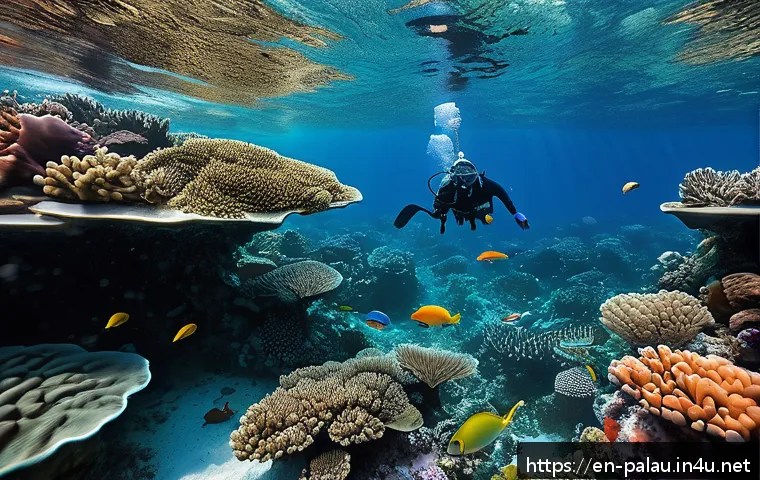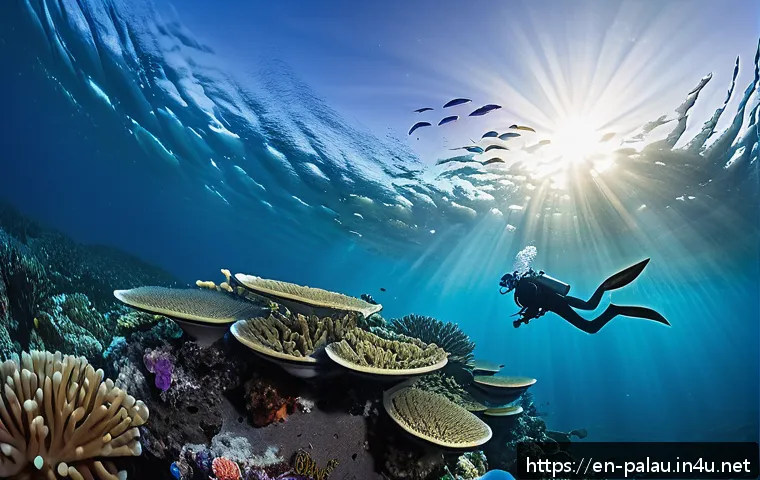
Palau can work for backpackers who plan around flights and guided boat days, but it is not a typical low-cost island destination. Your total trip cost is usually shaped more by airfare, accommodation, and marine excursions than by everyday food spending.
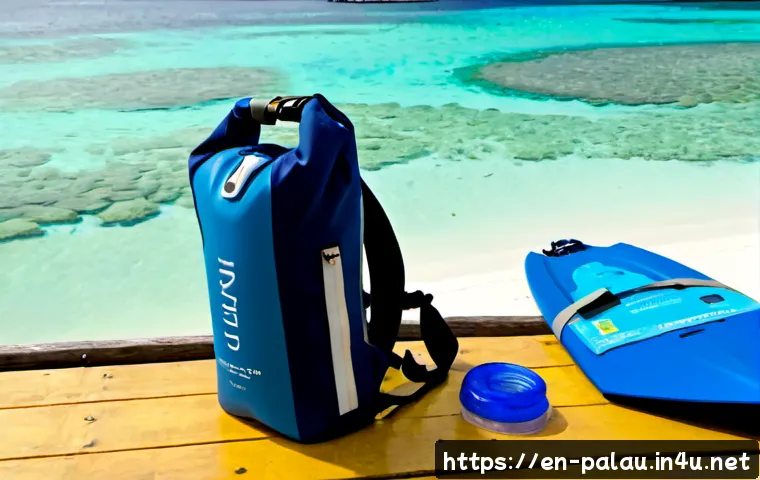
Koror is the simplest base for most independent travelers because it concentrates hotels, restaurants, dive shops, and tour departures. Comparing flight routes, room types, shared tours, and dive packages before booking helps protect both your budget and limited vacation time.
Build flexibility into the itinerary because weather, boat access, marine rules, and attraction availability can change. Travel insurance and airport-transfer planning are also worth checking early for a remote Pacific itinerary.
At a Glance
- Flights and guided boat days usually have more impact on a Palau budget than daily meals.
- Koror is generally the most practical base for hotels, restaurants, dive shops, and tour departures.
- Marine access rules, environmental fees, weather, and site availability should be confirmed before you pay.
| Decision | Lower-commitment option | Higher-comfort or specialized option | What to compare |
|---|---|---|---|
| Accommodation | Guesthouse | Hotel or resort | Location, airport pickup, room comfort, breakfast, activity booking support |
| Boat activities | Shared island tour | Private boat charter | Group size, route flexibility, included equipment, lunch, permits, weather policy |
| Marine focus | Snorkeling plan | Certified diving plan | Equipment inclusion, certification requirements, boat schedule, insurance coverage |
Is Palau a Good Backpacking Destination for Your Budget and Travel Style?
Three Quick Planning Answers
Palau is best for travelers who value marine experiences, island scenery, and organized boat access more than finding the lowest possible day-to-day cost. The largest expenses are commonly international flights, rooms, guided boat excursions, diving, and any required marine access charges. Allow enough time for arrival logistics, boating days, and a weather or connection buffer rather than treating Palau as a rushed stopover.
Why Palau Feels Different From a Typical Low-Cost Southeast Asia Backpacking Trip
Palau is an island country in the western Pacific Ocean, and many signature snorkeling and diving experiences are reached by boat. That changes the usual backpacking formula. Independent public transport may not take you to the places you came to see, so tours, transfers, and boat schedules become central planning items. The U.S. dollar is used in Palau, which can make budgeting simpler for some travelers, but it does not remove the need to compare real-time prices.
Who Gets the Most Value From a Palau Itinerary?
Palau suits snorkel-focused travelers, certified divers, couples or friends sharing certain costs, and visitors with limited time who prefer organized logistics. It can also suit slower independent travelers who are comfortable staying in Koror and choosing activities selectively. Travelers who want spontaneous, cheap overland movement every day may find the destination less flexible than expected.
Build a Realistic Palau Travel Budget Before You Book
Core Expense Categories
Separate your budget into unavoidable costs and flexible costs. Flights, initial accommodation, airport transfers, possible permits, and basic insurance are usually the first group. Tour style, meal choices, number of diving days, room upgrades, and private charters are the flexible group. This makes it easier to reduce spending without accidentally cutting the activities that matter most.
Guesthouse, Mid-Range Hotel, and Resort
A guesthouse may be the right choice if you mainly need a clean base near Koror’s restaurants and tour departures. A hotel may add easier airport pickup, staff support, and more convenience when weather changes affect plans. A resort may appeal when the property itself is part of the trip, but compare its location carefully: a lower room rate is not always better if transport to town, dive shops, or boat departures becomes inconvenient.
Shared Tour, Private Charter, Snorkeling Trip, and Dive Day
A shared island-hopping tour can be a practical choice for solo travelers or people who want a planned route without organizing a boat. A private charter can make more sense for a group that wants flexibility, but ask exactly what is included before comparing it with a shared trip. Snorkeling is often a better fit for travelers prioritizing broad marine sightseeing, while certified divers should compare dive operator schedules, equipment policies, and whether the planned sites match their experience level.
When Spending More Can Reduce Itinerary Risk
Paying for a flexible flight option, an accommodation close to departures, or a tour operator with clear weather procedures can reduce stress on a short trip. The value is not a guaranteed outcome; it is the ability to adjust when a connection, sea condition, or site rule changes. Read cancellation terms before paying deposits for flights, hotels, island tours, or dive packages.
Plan Flights, Arrival Logistics, and Where to Stay
Compare Flight Routes Beyond the Ticket Price
Compare total travel time, connection risk, baggage allowance, and change conditions, not only the headline fare. Remote-island travel can involve limited routing choices, so a short connection may create more risk than it saves. Check airline baggage rules directly, especially if you will carry dive equipment, camera gear, or additional snorkel equipment.
Why Koror Is Usually the Simplest Base
Koror is the main tourism hub for many hotels, restaurants, dive shops, and tour departures. For a first visit, staying there keeps daily logistics simpler and gives you more options if a booked activity changes. Ngerulmud, the capital in Melekeok State on Babeldaob, is important administratively, but it is not generally the central base for typical visitor tour logistics.
Airport Pickup, Taxis, and Rental Vehicles
Arrange airport pickup or confirm transport options before arrival, particularly if your flight timing is inconvenient. Taxis and rental vehicles may be useful depending on where you stay and how much of Babeldaob you want to explore. Confirm the pickup point, payment method, luggage capacity, and cancellation procedure rather than assuming transport will be available on demand.
How Many Nights to Reserve First
Reserve enough nights in a practical base to cover arrival, your first planned boat activities, and a buffer. Avoid committing immediately to a tightly sequenced itinerary across different areas before confirming weather, boat schedules, and local transport. This approach gives you room to adjust without losing the entire purpose of the trip.
Choose Island-Hopping, Snorkeling, and Diving Activities Wisely
What to Compare Between Tour Operators
Before booking, compare group size, route, equipment, lunch, permits, safety briefing, weather policy, and cancellation terms. Ask whether snorkeling gear is included, whether dive equipment is provided or rented separately, and whether any marine-site charges are included in the quoted price. A clear answer is more useful than a low initial quote with unclear additions.
Snorkeling-Focused Versus Certified Diver Itineraries
A snorkeling-focused itinerary can prioritize boat access to marine scenery and the Rock Islands Southern Lagoon, a UNESCO World Heritage site. A certified diver’s plan should prioritize operator fit, dive schedules, equipment, experience requirements, and insurance coverage for scuba activities. Do not assume a specific attraction, including Jellyfish Lake, will be open or suitable during your travel dates.
Marine Conservation Etiquette
Palau’s marine environments are the reason many people visit, so follow operator instructions and site rules closely. Do not rely on old travel posts for current access conditions. Marine-site rules, conservation fees, closures, and permitted activities can change, and responsible behavior protects both the ecosystem and your itinerary.
Questions Before Paying a Deposit
Ask what happens if weather prevents departure, whether another date can be offered, and what refund or credit policy applies. Confirm the meeting location, departure time, return timing, included meals, equipment, permits, and any certification documents needed for diving. If answers are vague, compare another operator before committing.
Avoid Common Palau Backpacking Mistakes

Underestimating Flight Delays and Short Connections
Do not build a boat trip or dive day around an arrival that leaves no room for delays. A flexible first day can be more valuable than an overfilled itinerary.
Booking Every Day on the Water
Boat days can be the highlight of Palau, but packing every day with excursions leaves little room for weather changes, rest, or rescheduling. Keep at least some flexibility in your plan.
Assuming Every Attraction Is Open
Access conditions can change. Confirm current rules, site status, and suitability with an official source or your chosen operator shortly before booking.
Skipping Insurance Checks
Review travel insurance wording for scuba diving, boating, trip interruption, and medical evacuation. Coverage depends on the policy, activity, and traveler circumstances, so do not assume a general policy covers every marine activity.
Relying on One Payment Method
Check payment options with your hotel, transfer provider, tour operator, and dive shop. Carrying a backup payment method and planning for cash needs can prevent avoidable problems.
Choose Your Palau Setup: Booking and Value Comparison Summary
Best Value for First-Time Visitors With Limited Days
Choose a Koror base, prioritize a reliable flight route, and select a small number of well-matched shared island tours or snorkeling trips. This reduces transport complexity while preserving time for Palau’s marine setting.
Best Setup for Travelers Prioritizing Diving
Start with dive operator availability, required certification, equipment arrangements, and weather procedures. Then choose accommodation that makes early departures and return logistics easy. A cheaper room is less useful if it creates difficult transport before dive departures.
Best Approach for Couples, Friends, and Solo Travelers
Couples and friends can compare the total cost of a private charter against multiple shared-tour bookings. Solo travelers may find shared tours easier for controlling logistics. In both cases, compare the full inclusion list rather than only the starting price.
Final Pre-Booking Checklist
Confirm entry requirements for your nationality, flight baggage rules, accommodation location, airport transfer details, tour inclusions, current marine access conditions, and insurance terms. English and Palauan are widely used, but language use can vary by place and situation, so clear written booking confirmations are helpful.
Booking Priorities and Value Comparison Summary
Before paying, use this short decision checklist:
- Flight flexibility: Is the connection realistic, and what happens if plans change?
- Cancellation terms: Are hotel, tour, and dive booking policies clear?
- Operator safety practices: Is there a clear briefing, weather process, and equipment policy?
- Inclusions: Are transport, lunch, gear, permits, and marine fees clearly stated?
- Insurance: Does the policy address your planned boating, diving, and medical needs?
Check the official booking page or operator’s detailed terms for current conditions before confirming flights, rooms, tours, or insurance.
Conclusion
Palau rewards careful planning more than aggressive cost-cutting. Use Koror as a practical starting point, protect your itinerary with flight and weather buffers, and spend selectively on the marine experiences you actually want. A clear comparison of flights, accommodation, boat tours, and dive options can make a short trip feel far more manageable. Confirm current entry, environmental, and access rules before departure.
Useful Things to Know
Currency: Palau uses the U.S. dollar. Tour base: Koror is the main hub for visitor services and boat departures. Capital: Ngerulmud is located in Melekeok State on Babeldaob. Language: English and Palauan are widely used. World Heritage: The Rock Islands Southern Lagoon is a UNESCO World Heritage site.
Important Notes
Airfare, baggage rules, entry conditions, transit requirements, hotel rates, weather, marine fees, site closures, and operator availability can change. This guide is a planning framework, not a substitute for current airline, government, insurer, hotel, or tour operator information. Confirm all conditions that affect your trip before booking and again close to departure.
Frequently Asked Questions
Q1. How much should a backpacker budget for a trip to Palau?
A1. Build your budget around flights, accommodation, airport transfers, marine access costs, and planned boat days first. Then adjust flexible spending such as room comfort, meal choices, snorkeling trips, private charters, and diving frequency. Current prices should be checked directly because rates and availability change.
Q2. Is Palau better for snorkeling or scuba diving on a limited budget?
A2. Snorkeling may suit a limited budget if your priority is seeing marine landscapes through organized boat excursions without adding multiple dive days. Certified divers may find diving worth prioritizing when it is the main reason for the trip, but should compare operator policies, equipment costs, and insurance coverage carefully.
Q3. How many days do you need in Palau to make the flight cost worthwhile?
A3. The right length depends on your flight route, connection risk, desired number of boat days, and need for weather flexibility. Rather than planning only arrival and departure days around a packed schedule, allow time for transfers, marine activities, and possible changes to tour availability or conditions.