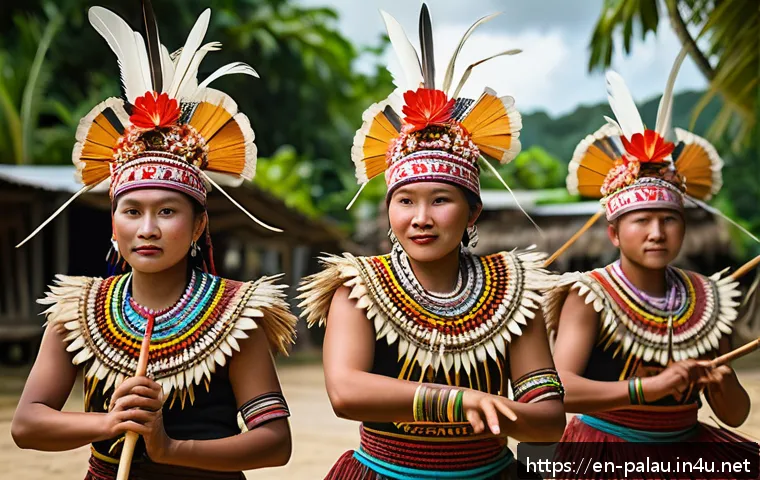
As global travelers increasingly seek authentic cultural experiences, Palau’s traditional dance and music offer a captivating window into island life that’s both vibrant and deeply rooted in history.
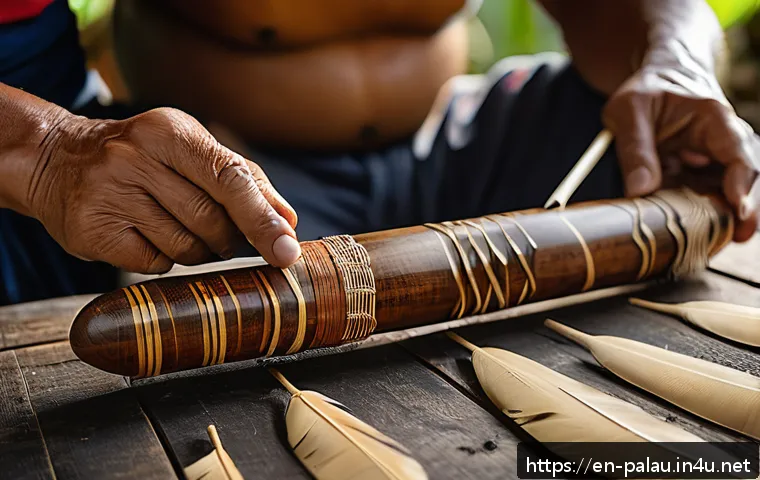
Recently gaining attention for its unique blend of rhythmic storytelling and communal spirit, Palauan performances invite us to explore more than just entertainment—they reveal the heartbeat of a community.
Whether you’re curious about indigenous art forms or planning a future visit, diving into Palau’s rich cultural tapestry promises unforgettable insights.
Stick around to discover how these ancient traditions continue to thrive and inspire in today’s fast-changing world.
Living Narratives: The Storytelling Power of Palauan Performance
Oral Traditions Woven into Movement
In Palauan communities, dance and music are not just forms of entertainment; they function as living stories passed down through generations. When watching a performance, you’re witnessing a narrative unfold—heroes, legends, and everyday life come alive through carefully choreographed gestures and rhythms.
Unlike scripted plays, these stories adapt slightly with each retelling, reflecting the current social context while preserving ancestral wisdom. I remember attending a local celebration where the dancers’ subtle hand movements symbolized ocean waves, and their facial expressions conveyed the emotions of the tale.
This immersive storytelling approach creates a unique connection between performer and audience, grounding the cultural experience in shared memory and identity.
Rhythmic Language and Symbolism
Palauan music accompanies the dance with complex rhythms that act as a language of their own. Drums, chants, and traditional instruments like the nose flute interlace to guide the dancers’ pace and mood.
What fascinated me was how different beats signify various parts of a story—from moments of tension to joyous celebrations. The performers often wear intricate costumes adorned with natural materials such as shells and leaves, each element carrying symbolic meaning tied to Palau’s natural environment and spiritual beliefs.
This rich symbolism adds layers of depth, inviting observers to interpret and engage with the performance beyond surface-level enjoyment.
Community as the Core of Performance
Unlike many performance arts centered on solo artists, Palauan dance and music emphasize collective participation. It’s common to see entire villages involved—whether as performers, musicians, or enthusiastic spectators—blurring the line between stage and audience.
This communal spirit transforms events into social gatherings that reinforce bonds and shared heritage. I’ve noticed that even visitors are often encouraged to join in, fostering a sense of belonging and mutual respect.
This inclusive atmosphere not only preserves tradition but also adapts it, ensuring the art form remains vibrant and relevant amid modern influences.
Tradition Meets Today: Keeping Heritage Alive in Modern Palau
Education and Youth Engagement
One of the most inspiring aspects of Palauan cultural preservation is how younger generations are actively taught traditional dance and music through schools and community workshops.
Rather than seeing these customs as relics of the past, many youths embrace them as a source of pride and identity. From my conversations with local educators, it’s clear that hands-on participation in traditional arts helps youth develop a stronger sense of self and community responsibility.
This proactive approach to cultural transmission ensures that these rich practices are not only remembered but lived daily.
Tourism as a Cultural Bridge
Tourism in Palau has evolved beyond sightseeing to include immersive cultural experiences. Local organizations curate performances that welcome visitors to witness and sometimes partake in traditional dances and musical sessions.
From my experience attending one such event, the openness of hosts to share their culture felt genuine rather than commercialized. This model benefits both visitors, who gain authentic insight, and locals, who receive support for sustaining their heritage.
However, there is an ongoing balance to maintain—ensuring that cultural expressions aren’t diluted for entertainment but remain true to their origins.
Adapting to Contemporary Influences
While rooted in history, Palauan performance arts are not static. Modern elements, such as incorporating new instruments or blending styles, occasionally appear in contemporary renditions.
I observed a fusion performance where traditional chants were paired with acoustic guitars, creating a fresh yet respectful homage to tradition. This flexibility demonstrates the culture’s resilience and relevance in a rapidly globalizing world.
It’s a reminder that heritage thrives not by freezing time but by evolving thoughtfully alongside community needs and creative impulses.
Essential Elements: Instruments and Attire in Palauan Arts
Traditional Instruments and Their Roles
The soundscape of Palauan performances is shaped by distinctive instruments, each contributing unique textures. The traditional drum, or “bai,” sets the foundational rhythm, while the nose flute adds melodic accents.
Other percussive instruments, crafted from bamboo or shells, enrich the auditory palette. What struck me during a visit to a cultural center was the craftsmanship involved in making these instruments—each piece tailored to produce specific sounds that evoke natural phenomena or spiritual themes.
Understanding these tools deepened my appreciation of how music and storytelling are inseparable in Palauan tradition.
Costume Crafting and Symbolic Meaning
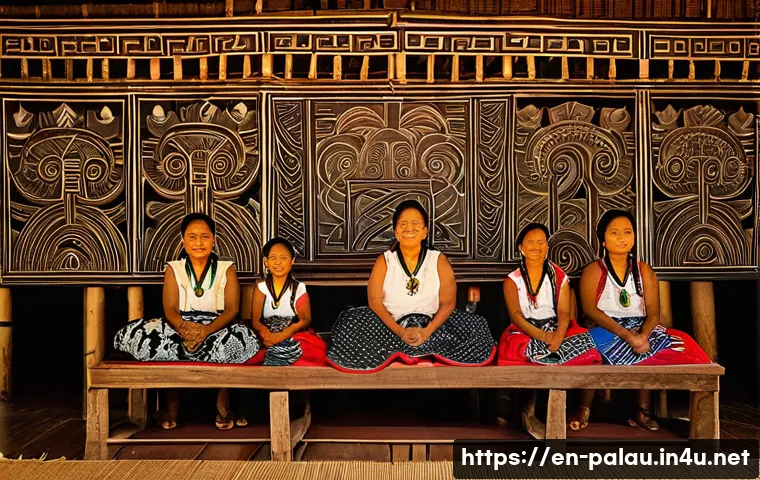
Costumes worn during performances are more than decorative—they are visual storytellers. Natural fibers, feathers, and shells are intricately assembled to reflect the island’s flora and fauna, as well as social status or clan identity.
During a festival, I noticed how certain colors and patterns signaled different roles within the story being told. The time and skill invested in costume creation highlight the community’s respect for tradition and the environment.
Wearing these garments is a ritual in itself, connecting the performer to ancestors and nature.
How Visual and Auditory Elements Combine
The interplay between instruments and attire creates a multi-sensory experience. The rhythmic beats echo the movement of dancers’ costumes, whose feathers and fibers sway in harmony with the music.
This synchronization enhances the storytelling, making scenes more vivid and emotionally resonant. Observing this made me realize how performance is a holistic art form in Palau, where sight and sound are inseparable threads woven together to captivate and communicate.
Community Celebrations: More Than Just Performances
Rituals Marking Life’s Milestones
Palauan dance and music often accompany important life events—births, weddings, and funerals—turning them into communal rituals filled with meaning. I attended a traditional wedding where performances symbolized unity and blessings for the couple’s future.
These moments are deeply emotional, with the entire community participating to honor shared values and histories. The performances transcend mere entertainment, becoming acts of cultural affirmation and continuity.
Seasonal and Religious Festivals
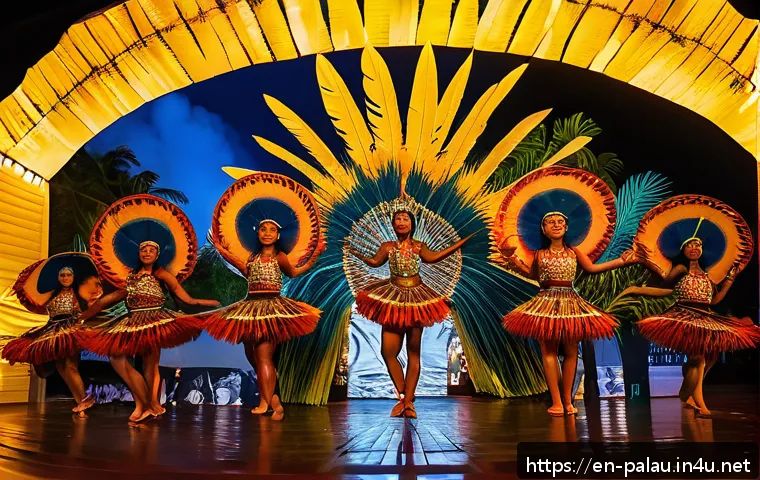
Annual festivals serve as highlights on Palau’s cultural calendar, bringing together locals and visitors alike. These gatherings showcase a variety of traditional dances and musical styles, each with its own significance tied to the seasons, harvests, or spiritual beliefs.
From my experience at one such festival, the energy was contagious, and the sense of pride palpable. The performances function as living archives, preserving collective memory while inviting new generations to witness and partake.
Social Cohesion Through Shared Expression
Participating in or witnessing these community events fosters a profound sense of belonging. Dance and music act as social glue, reinforcing relationships and shared identity.
I found that these gatherings create spaces where differences dissolve, and cultural values are celebrated openly. This dynamic strengthens community resilience and offers a model for how traditional arts can sustain social harmony in a fast-changing world.
Behind the Scenes: The Artisans and Keepers of Tradition
Masters of Dance and Music
Palau’s cultural heritage owes much to dedicated individuals who have mastered traditional arts and committed themselves to teaching others. These elders and artisans are revered not only for their skill but also for their role as custodians of history.
I had the privilege of speaking with one such master who described their work as a “bridge between the past and future,” emphasizing the responsibility to preserve authenticity while inspiring innovation.
Crafting Instruments and Costumes
The creation of instruments and costumes is a specialized craft passed down through families. These artisans combine traditional techniques with intimate knowledge of local materials.
Visiting a workshop, I observed how painstakingly each drum was carved and each shell carefully selected, reflecting an intimate dialogue between maker and environment.
This craftsmanship is essential to maintaining the integrity and soul of performances.
Training the Next Generation
Sustaining these traditions depends on mentorship and education. Many keepers of the art actively involve youth in apprenticeships, fostering hands-on learning experiences.
I noticed that this approach not only transfers skills but also instills pride and a sense of duty. The enthusiasm of young learners reassures me that Palauan dance and music will continue to flourish, enriched by new perspectives yet firmly rooted in heritage.
Comparing Palauan Cultural Expressions with Other Pacific Island Traditions
Shared Themes and Unique Flavors
While Palau shares certain cultural motifs with neighboring Pacific islands—such as nature-inspired symbolism and communal participation—it also boasts distinct artistic expressions.
For example, its rhythmic patterns and storytelling techniques differ notably from those in Fiji or Samoa. Having explored performances across the Pacific, I can say that Palau’s blend of subtle movement and layered symbolism offers a uniquely intimate experience that feels both personal and universal.
Instruments and Musical Styles Across Islands
The variety of instruments used throughout the Pacific reflects diverse ecological and cultural contexts. Palau’s emphasis on nose flutes and shell percussion contrasts with the prominence of log drums or slit gongs elsewhere.
These differences highlight how island environments shape artistic development. Experiencing these variations firsthand enriched my understanding of how cultural identity is both shared and distinct within the Pacific region.
Preservation Challenges and Successes
Many Pacific island cultures face similar challenges in preserving traditional arts amid globalization and modernization. Palau’s success in engaging youth and integrating cultural tourism offers valuable lessons.
Comparing initiatives across islands reveals that community involvement and adaptive strategies are key to sustaining heritage. Witnessing Palau’s vibrant cultural scene gave me hope that these traditions can thrive long into the future.
Key Components of Palauan Traditional Dance and Music
| Component | Description | Role in Performance |
|---|---|---|
| Choreography | Sequences of movements symbolizing stories, emotions, and nature | Conveys narrative and cultural meaning |
| Instruments | Drums (bai), nose flute, bamboo percussion | Sets rhythm, melody, and atmosphere |
| Costumes | Natural materials like shells, feathers, fibers with symbolic patterns | Visual storytelling and cultural identity marker |
| Community Participation | Involvement of dancers, musicians, and audience | Fosters social cohesion and shared experience |
| Oral Narratives | Legends and histories embedded in performance | Preserves and communicates cultural heritage |
In Conclusion
Palauan performance arts are a vibrant tapestry where storytelling, music, and community come together to preserve cultural heritage. Experiencing these traditions reveals a dynamic blend of history and contemporary life, demonstrating how culture lives and breathes through collective expression. These living narratives not only honor the past but also inspire future generations to carry the legacy forward with pride and creativity.
Useful Information to Know
1. Palauan dances and music serve as oral histories, keeping ancestral stories alive through movement and sound.
2. Traditional instruments like the bai drum and nose flute create rhythms that guide storytelling and emotional expression.
3. Costumes made from natural materials carry symbolic meanings that deepen the cultural message of performances.
4. Community participation is essential, turning performances into shared experiences that strengthen social bonds.
5. Modern influences are thoughtfully integrated, ensuring traditions remain relevant without losing authenticity.
Key Takeaways
Understanding Palauan performance arts means recognizing their role as more than entertainment—they are a vital means of cultural transmission. The combination of music, dance, costume, and community involvement forms a holistic practice that celebrates identity and fosters continuity. Preservation efforts that engage youth and embrace respectful adaptation are crucial for keeping these traditions alive in a changing world.
Frequently Asked Questions (FAQ) 📖
Q: What makes Palau’s traditional dance and music unique compared to other Pacific Island cultures?
A: Palau’s traditional dance and music stand out because they blend rhythmic storytelling with a strong sense of community participation. Unlike performances that focus solely on entertainment, Palauan dances often convey historical events, legends, and social values, making each movement and beat meaningful.
Experiencing these performances feels like stepping into the island’s collective memory, where everyone plays a role in preserving and sharing their heritage.
From my visits, I noticed that the communal spirit is palpable—you’re not just watching a show; you’re joining a living tradition.
Q: When is the best time to experience authentic Palauan dance and music performances?
A: The best time to catch authentic performances is during cultural festivals or community celebrations, such as the annual Palau Day in October. These events bring together locals in vibrant displays of song and dance that are deeply rooted in tradition.
However, even outside festival seasons, many villages host smaller gatherings or ceremonies where traditional arts are showcased. Based on my experience, planning your trip around these occasions or connecting with local guides can offer a genuine glimpse into Palauan cultural life beyond the usual tourist spots.
Q: How have Palau’s traditional dance and music adapted to modern influences without losing their authenticity?
A: Palauan artists have skillfully balanced preserving ancient practices with embracing contemporary elements. While the core rhythms and stories remain intact, some performances now incorporate modern instruments or fusion styles to appeal to younger audiences and tourists.
This evolution keeps the culture alive and relevant rather than static or museum-like. From conversations with local performers, it’s clear they see these adaptations as a way to honor tradition while ensuring it continues to inspire future generations—making the culture both dynamic and deeply rooted at the same time.