As more travelers seek unique marine experiences beyond the usual hotspots, Palau has emerged as a hidden gem for ocean enthusiasts craving adventure and discovery.
With its pristine waters and vibrant coral reefs, this island nation offers a playground like no other for divers, snorkelers, and marine explorers. Whether you’re chasing the thrill of swimming alongside majestic manta rays or uncovering mysterious underwater caves, Palau’s ocean secrets promise unforgettable moments.
Join me as we dive deep into the heart of this aquatic wonderland, where every wave tells a story waiting to be explored. Ready to uncover the best-kept marine treasures?
Let’s embark on this thrilling journey together!
Exploring Palau’s Most Iconic Dive Sites
Blue Corner: The Thrill-Seeker’s Paradise
Blue Corner is often hailed as the crown jewel of Palau’s dive sites, and for good reason. This spot is famous for its strong currents that bring an abundance of marine life, making it a playground for experienced divers looking for adrenaline-pumping encounters.
I remember my first dive here—currents pushing me along felt like flying underwater, surrounded by schools of barracuda and the occasional reef shark.
Visibility is usually crystal clear, allowing you to soak in the vibrant coral walls adorned with anemones and colorful fish. It’s not a site for beginners, but the reward is the chance to swim alongside some of the ocean’s most majestic creatures in a natural, untamed setting.
Jellyfish Lake: A Unique Snorkeling Experience
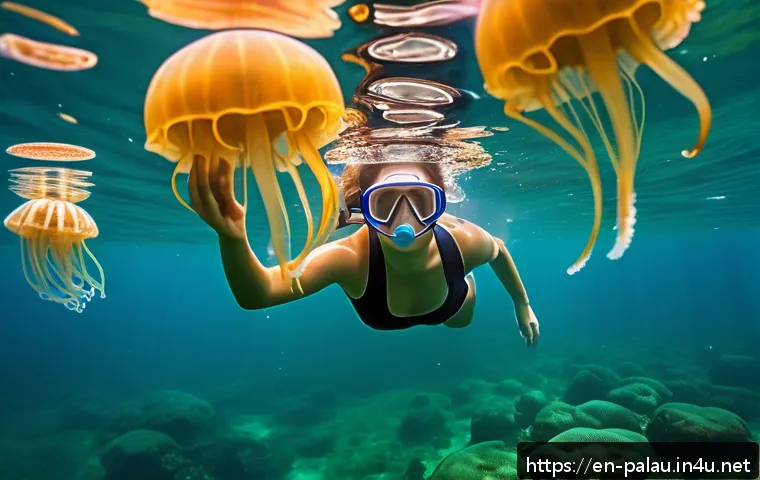
One of Palau’s most unusual and mesmerizing attractions is Jellyfish Lake. Unlike anywhere else in the world, this marine lake is home to millions of harmless golden jellyfish that drift serenely through the water.
Snorkeling here is a surreal experience—you float gently among these glowing creatures without fear of stings. From my visit, I can say it’s like swimming in a living, breathing dreamscape, where time slows down and the connection to nature feels profound.
The lake’s isolation has created a unique ecosystem, and preservation efforts are critical to keeping this wonder intact for future explorers.
The German Channel: Manta Ray Encounters
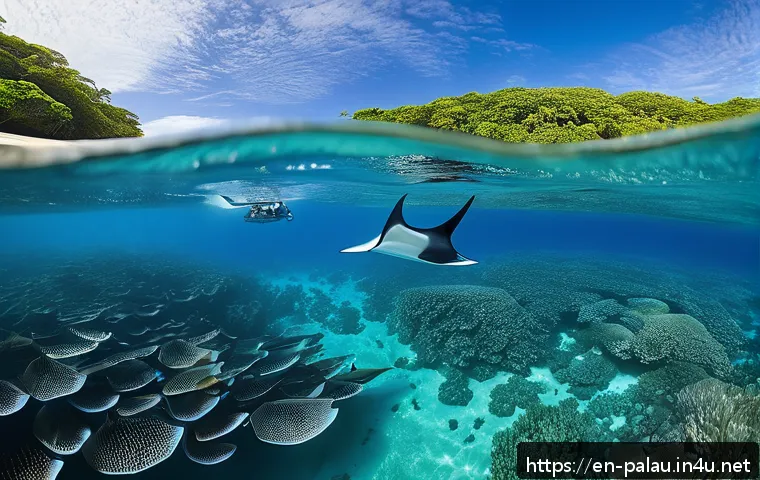
If swimming with manta rays is on your bucket list, the German Channel is where dreams come true. This man-made channel, originally created for dredging, has become a haven for manta rays that congregate here year-round.
I was lucky enough to witness these gentle giants gliding gracefully just below the surface, their massive wingspan hypnotic as they filter-feed. The channel’s shallow depth makes it perfect for snorkelers and divers alike, offering clear views of the mantas in action.
The experience is humbling and awe-inspiring—these creatures embody the wild beauty and mystery of Palau’s underwater world.
Understanding Palau’s Marine Biodiversity
Coral Reefs: The Backbone of Ocean Life
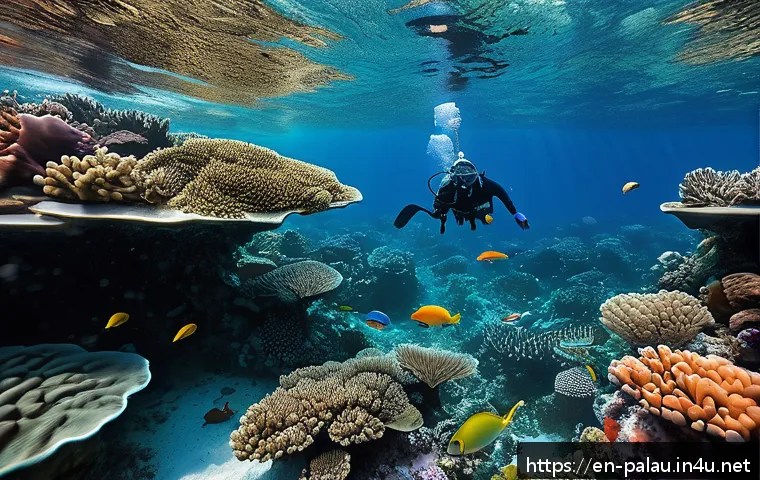
Palau boasts some of the healthiest and most diverse coral reefs on the planet. These reefs are not only stunning to look at but also serve as vital habitats for countless species.
During my dives, I was amazed by the kaleidoscope of corals—from brain corals and staghorn to soft corals that sway with the currents. The reefs support a vast network of marine life including clownfish, parrotfish, and sea turtles.
The health of these reefs is a testament to Palau’s commitment to conservation, with strict regulations that minimize human impact and promote sustainable tourism.
Exploring these reefs offers a firsthand look at nature’s resilience and complexity.
Marine Species You Can Expect to See
Palau’s waters teem with a dazzling array of marine creatures, making every dive or snorkel an unpredictable adventure. Beyond the well-known manta rays and sharks, you might encounter giant clams, napoleon wrasse, and the elusive dugong.
What struck me the most was the sheer diversity and density of fish species, which paints an ever-changing underwater tapestry. Night dives reveal an entirely different world, with bioluminescent plankton and nocturnal hunters like the giant moray eel coming out to play.
This biodiversity makes Palau not just a destination for thrill-seekers, but also for marine biologists and nature lovers eager to witness life’s wonders beneath the waves.
Key Conservation Efforts Supporting Marine Life
Palau’s reputation as a marine sanctuary didn’t happen overnight—it’s the result of forward-thinking policies and community engagement. The establishment of the Palau National Marine Sanctuary, which protects 80% of its waters from fishing and harmful activities, is a game-changer.
I’ve spoken with local guides who shared how these measures have allowed fish populations and coral reefs to recover and flourish. Eco-tourism initiatives also play a huge role, educating visitors on responsible diving and snorkeling practices.
These combined efforts ensure that Palau remains a vibrant underwater ecosystem, resilient against climate change and human pressures.
Top Water Activities Beyond Diving
Snorkeling Hotspots for All Skill Levels
Not everyone who visits Palau is a certified diver, but that doesn’t mean you have to miss out on the underwater magic. There are plenty of snorkeling spots suitable for beginners and families, such as the Rock Islands Southern Lagoon and Milky Way Lagoon.
I personally loved snorkeling in the lagoon where the white limestone mud is said to have natural skin benefits—it felt like a spa day combined with a nature adventure.
The calm, shallow waters offer perfect visibility and easy access to vibrant reefs and marine creatures, making snorkeling an accessible way to explore Palau’s marine biodiversity.
Paddleboarding and Kayaking Through Crystal Waters
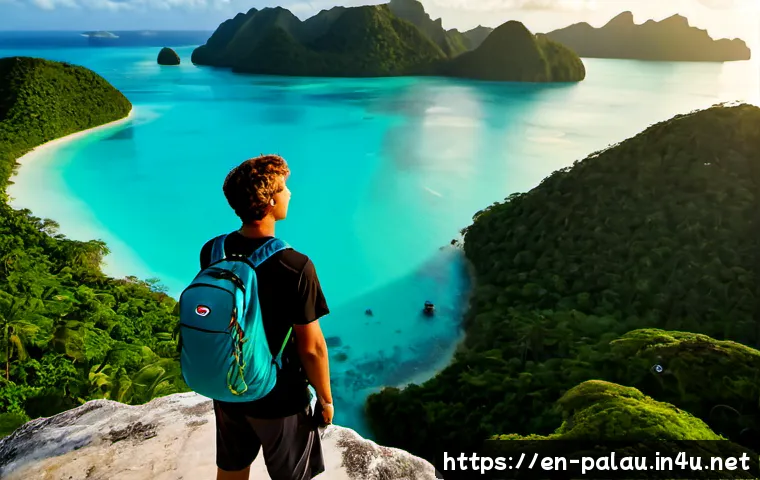
For those who prefer to stay above water, paddleboarding and kayaking offer serene ways to explore Palau’s stunning seascapes. Gliding over the glassy water, you can take in the lush greenery of the islands, spot schools of fish beneath you, and discover hidden coves.
I found paddleboarding especially rewarding during sunrise, when the colors of the sky and sea blend into a breathtaking palette. It’s a peaceful, immersive way to connect with the environment without disturbing the delicate ecosystems below.
Underwater Cave Exploration Adventures
Palau’s underwater caves and tunnels are a magnet for adventurous divers craving something off the beaten path. These geological formations are fascinating and challenging, often requiring advanced skills to navigate safely.
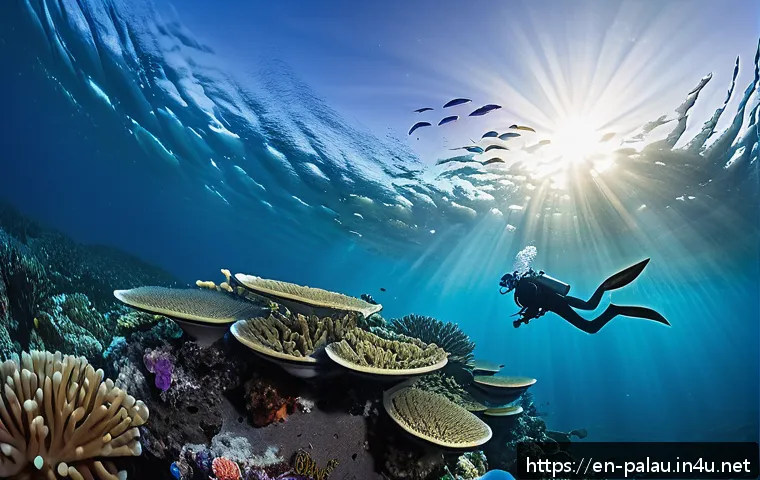
On one of my dives, exploring the famous Blue Holes revealed eerie, otherworldly chambers illuminated by shafts of sunlight piercing through the water.
These caves harbor unique marine life adapted to low-light conditions, adding another layer of mystery to Palau’s underwater realm. For those drawn to exploration, cave diving here is an unforgettable experience that combines thrill with natural beauty.
Planning Your Palau Marine Adventure
Best Times to Visit for Optimal Marine Life Viewing
Timing your trip can make all the difference when it comes to wildlife encounters and weather conditions. From my experience and local insights, the dry season between November and April offers the best visibility and calmer seas, perfect for diving and snorkeling.
Manta ray sightings are more frequent during the months of March to June, coinciding with their mating season. However, visiting during the wet season has its perks too—fewer tourists and lush landscapes.
Knowing when to go can help you tailor your adventure to what you want to see and do underwater.
Essential Gear and Preparation Tips
Packing right and preparing properly can elevate your Palau experience immensely. I always recommend bringing a high-quality mask and snorkel for clear views, along with a reef-safe sunscreen to protect both your skin and the environment.
For divers, equipment rental options are available locally, but many prefer to bring their own gear for comfort and reliability. Staying hydrated and acclimating to the tropical climate before hitting the water also helps avoid fatigue.
Local guides are invaluable for safety and insider knowledge, so booking tours through reputable operators is a smart move.
Understanding Local Customs and Marine Etiquette
Respecting Palau’s culture and marine environment goes hand in hand with having a meaningful trip. Palauans hold the ocean in high regard, and visitors are encouraged to follow guidelines like not touching coral, avoiding single-use plastics, and maintaining a safe distance from marine animals.
I found that engaging with locals and learning about their traditions enriched my visit beyond the water activities. Simple acts like using designated mooring buoys instead of anchors or participating in beach clean-ups show appreciation and help preserve Palau’s natural wonders for generations to come.
Comparing Popular Marine Experiences in Palau
| Activity | Location | Skill Level | Best Time to Visit | Unique Highlights |
|---|---|---|---|---|
| Scuba Diving at Blue Corner | Blue Corner Reef | Advanced | Nov – Apr | Strong currents, large pelagic fish |
| Snorkeling in Jellyfish Lake | Jellyfish Lake | Beginner | Year-round | Non-stinging golden jellyfish |
| Manta Ray Snorkeling | German Channel | Intermediate | Mar – Jun | Frequent manta ray sightings |
| Paddleboarding | Rock Islands Lagoon | Beginner | Nov – Apr | Calm waters, stunning island views |
| Underwater Cave Diving | Blue Holes & Tunnels | Advanced | Year-round | Unique geological formations |
Local Marine Guides: Guardians of Palau’s Ocean Treasures
How Guides Enhance Your Experience
Local marine guides are more than just navigators—they are storytellers and educators who bring Palau’s underwater world to life. From my conversations with several guides, their deep knowledge about marine species, currents, and cultural significance adds a rich layer to every dive or snorkel trip.
Their ability to spot elusive creatures and share fascinating anecdotes made my adventures not only safer but far more memorable. These experts often serve as conservation ambassadors, encouraging responsible tourism and fostering respect for the ocean.
Personal Stories from the Water
Hearing firsthand accounts from local guides reveals the profound connection they have with Palau’s seas. One guide shared how he witnessed the rebound of coral reefs after the sanctuary’s establishment, a testament to effective conservation.
Another recounted moments of awe when encountering rare species like the giant manta or the elusive pygmy seahorse. These stories highlight the importance of preserving these habitats—not just for tourists, but for the communities whose lives are intertwined with the ocean.
Their passion and dedication truly enhance the authenticity of the Palau marine experience.
Booking Tips and Choosing Responsible Operators
Selecting the right guide or tour operator can significantly impact your trip’s quality and sustainability. I recommend looking for companies that prioritize environmental education, follow safety protocols, and contribute to local conservation efforts.
Many operators now offer eco-friendly packages, including limited group sizes and no-touch policies. Booking in advance is advisable, especially during peak seasons, to secure spots with reputable guides.
By supporting these responsible businesses, you help ensure that Palau’s marine wonders remain vibrant and accessible for future generations.
Conclusion
Palau offers an extraordinary marine adventure filled with vibrant ecosystems and unforgettable encounters. Whether you’re diving with majestic manta rays or snorkeling among gentle jellyfish, every moment reveals the ocean’s beauty and resilience. Embracing responsible tourism ensures these wonders remain for generations to come. Your journey here will not only thrill but also deepen your connection to the underwater world.
Helpful Information
1. The best time to visit Palau for clear waters and abundant marine life is during the dry season from November to April.
2. Always use reef-safe sunscreen to protect both your skin and Palau’s delicate coral reefs.
3. Beginners can enjoy snorkeling at calm spots like the Rock Islands Southern Lagoon, while advanced divers can explore challenging sites like Blue Corner and underwater caves.
4. Booking tours with local guides enhances safety, enriches your experience, and supports conservation efforts.
5. Respect local customs by avoiding contact with marine life and minimizing plastic use to help preserve Palau’s pristine environment.
Key Takeaways
Palau stands out as a global leader in marine conservation, boasting diverse and thriving ecosystems protected by strong community and government initiatives. Visitors should prioritize responsible practices to maintain this delicate balance. Choosing reputable operators and respecting the environment not only safeguards marine habitats but also enriches your personal experience. Planning your trip around seasonal patterns and preparing with proper gear ensures a safe and rewarding adventure in Palau’s underwater paradise.
Frequently Asked Questions (FAQ) 📖
Q: uestionsQ1: What is the best time of year to visit Palau for diving and snorkeling?
A: The ideal time to explore Palau’s underwater wonders is generally from November to April. During these months, the seas are calmer, visibility underwater peaks, and the weather is mostly dry, making it perfect for diving and snorkeling.
That said, Palau’s marine life is vibrant year-round, so even outside this window, you can have incredible experiences—just be prepared for occasional rain and slightly rougher seas.
Q: Are there any special permits or fees required to dive in Palau’s marine parks?
A: Yes, Palau takes marine conservation seriously, so visitors diving in protected areas must purchase a Palau International Diving Permit. This fee contributes directly to the upkeep and protection of the reefs and marine ecosystems.
It’s a small price to pay for accessing such pristine environments, and it ensures these treasures remain intact for future explorers. Booking your dives through reputable operators usually includes handling this permit for you.
Q: Can beginners safely enjoy diving or snorkeling in Palau, or is it only for experienced divers?
A: Absolutely, beginners can enjoy Palau’s waters safely. Many dive shops and resorts offer introductory courses and guided snorkeling tours tailored for novices.
The warm, clear waters provide excellent visibility, making it easier to navigate and appreciate the underwater beauty. Of course, having a certified guide by your side enhances safety and enriches the experience by pointing out unique marine life and hidden spots you might otherwise miss.