Discover How Palau is Leading the Charge in Ocean Conservation and Marine Biodiversity Protection

webmaster

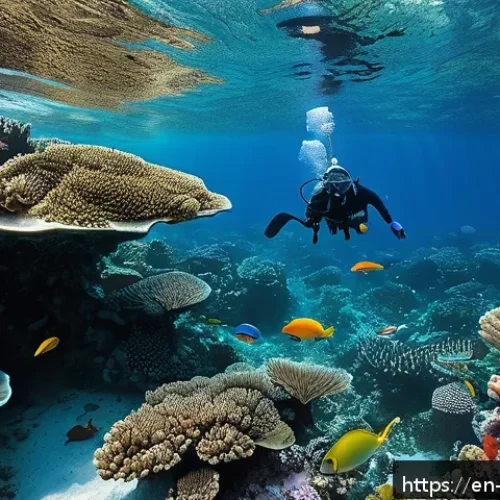
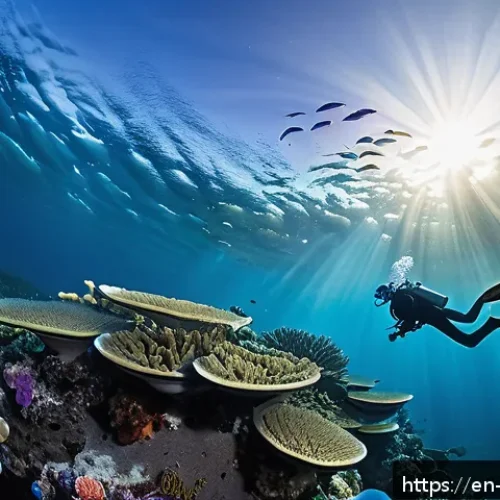
팔라우 해양 생태 보호 - A vibrant underwater scene showcasing a flourishing coral reef within a no-take marine zone in Palau...

As climate change accelerates and marine ecosystems face unprecedented threats, Palau has emerged as a shining example in ocean conservation. This island nation is not just protecting its vibrant coral reefs and diverse marine life but is also pioneering innovative policies that inspire global efforts.

팔라우 해양 생태 보호 관련 이미지 1

If you’ve ever wondered how small nations can make a big impact, Palau’s story offers valuable insights and hope for the future of our oceans. Join me as we dive into how Palau is leading the charge in safeguarding marine biodiversity and why their approach matters more than ever.

Innovative Marine Protected Areas and Community Engagement

Expanding No-Take Zones to Restore Biodiversity

Palau has taken bold steps by designating vast stretches of its ocean as no-take zones, areas where fishing and extractive activities are strictly prohibited.

This initiative isn’t just about drawing lines on a map; it’s a carefully planned approach to give marine life a chance to recover and thrive. From my conversations with local conservationists, it’s clear that these zones have led to noticeable increases in fish populations and healthier coral formations.

The government’s science-backed policy ensures that these protected areas are monitored regularly, adjusting boundaries based on ecological data. This dynamic management approach is a game-changer, offering a model for other coastal nations battling overfishing and habitat loss.

Empowering Local Communities Through Stewardship

One of the most inspiring aspects of Palau’s conservation success is how deeply local communities are involved. Instead of imposing regulations from the top down, Palau has embraced traditional knowledge and customs, weaving them into modern conservation efforts.

Villages participate in marine resource management councils where elders and fishermen share insights that guide sustainable practices. This fusion of indigenous wisdom with scientific methods creates a sense of ownership and responsibility among locals.

When people feel connected to their environment, they become its fiercest protectors. I’ve noticed that community-led patrols and educational programs have significantly reduced illegal fishing activities, proving that grassroots efforts are vital.

Balancing Tourism and Conservation Goals

Tourism is a double-edged sword for Palau: it brings essential revenue but also risks damaging delicate ecosystems. The country has responded by implementing stringent visitor guidelines and eco-friendly tourism certifications.

Dive operators, for instance, must follow strict protocols to minimize reef disturbance, and tourists are educated on responsible behavior underwater.

Palau’s approach to sustainable tourism is proactive rather than reactive, aiming to preserve the very attractions that draw visitors. This careful balancing act ensures that the economic benefits of tourism support conservation projects, creating a virtuous cycle rather than a destructive one.

Advertisement

Cutting-Edge Science and Technology in Ocean Monitoring

Satellite Tracking and Real-Time Data Collection

Palau leverages advanced satellite technology to keep a watchful eye over its marine territories. This high-tech surveillance allows authorities to detect unauthorized fishing vessels instantly and respond promptly.

The use of real-time data is a significant upgrade from traditional patrolling methods, which often left gaps in enforcement. From what I gathered, these tools have dramatically increased the efficiency of marine law enforcement, deterring illegal activities before they escalate.

The integration of technology with human expertise exemplifies how innovation can reinforce conservation efforts on the front lines.

Coral Reef Restoration Using Scientific Innovations

The health of coral reefs is vital to Palau’s marine ecosystem, and the country has invested heavily in coral restoration projects. Scientists are experimenting with techniques such as coral gardening and selective breeding of resilient coral strains that can withstand rising ocean temperatures.

I had the chance to learn about these projects firsthand and was impressed by the meticulous care taken to cultivate corals in nurseries before transplanting them to degraded reef areas.

These efforts not only rehabilitate damaged reefs but also help build resilience against climate change impacts, which is crucial for long-term survival.

Marine Biodiversity Surveys and Citizen Science

Regular biodiversity assessments are essential to understanding the health of marine ecosystems, and Palau actively involves citizens in these surveys.

Divers, students, and volunteers contribute to data collection, turning conservation into a community-wide mission. This participatory approach educates people about marine life while providing scientists with valuable data to inform policy decisions.

The enthusiasm and pride locals show when involved in these activities highlight how citizen science can foster a collective commitment to protecting natural resources.

Advertisement

Legal Frameworks and International Partnerships

Enforcing Strong Environmental Laws

Palau has established robust environmental legislation that underpins its conservation efforts. Laws regulating fishing quotas, pollution control, and habitat protection are strictly enforced, often with heavy penalties for violations.

This legal backbone gives conservation policies the teeth they need to be effective. I found that local enforcement agencies work closely with communities, ensuring that laws are not just rules on paper but are respected and upheld across the islands.

This synergy between legislation and local cooperation is a cornerstone of Palau’s success.

Collaborating with Global Conservation Networks

Recognizing that ocean conservation is a global challenge, Palau actively partners with international organizations, research institutions, and NGOs. These collaborations bring in technical expertise, funding, and global advocacy that amplify Palau’s impact.

For example, partnerships have facilitated capacity-building workshops and technology transfers that enhance local conservation capabilities. Palau’s role in global marine forums also helps raise awareness and inspire other nations to adopt similar measures.

This interconnected approach ensures that Palau’s pioneering efforts contribute to a broader movement protecting the world’s oceans.

Incentivizing Sustainable Practices Through Policy

The government offers incentives for sustainable fishing and eco-tourism ventures, encouraging businesses to adopt environmentally friendly practices.

Subsidies, tax breaks, and certification programs motivate stakeholders to align their operations with conservation goals. From my perspective, these policies create win-win scenarios where economic growth does not come at the expense of ecological health.

Supporting sustainable livelihoods is critical in maintaining long-term community support for conservation initiatives.

Advertisement

Economic Benefits of Marine Conservation

Boosting Fisheries Through Ecosystem Recovery

One of the tangible outcomes of Palau’s conservation policies is the rebound of local fisheries. Healthy coral reefs and marine habitats support abundant fish stocks, which in turn sustain the fishing communities economically.

I spoke with local fishermen who reported better catches and more stable incomes, attributing these improvements to the protective measures in place. This demonstrates that conservation and economic development can go hand in hand when managed thoughtfully.

팔라우 해양 생태 보호 관련 이미지 2

Eco-Tourism as a Sustainable Revenue Source

Palau’s pristine marine environments attract tourists seeking unique underwater experiences. By promoting eco-tourism, the country has created a sustainable revenue stream that funds ongoing conservation projects.

Visitors pay park fees, participate in guided tours, and contribute to local businesses, which benefits the broader community. This model reduces reliance on exploitative industries and highlights the financial value of intact ecosystems.

Creating Green Jobs and Community Prosperity

Marine conservation has also spurred job creation in areas such as research, enforcement, and eco-tourism services. Training programs equip locals with skills in marine biology, sustainable fishing, and hospitality, fostering economic diversification.

The rise in green jobs has helped reduce poverty and improve quality of life, showing that environmental protection can drive social progress.

Advertisement

Education and Awareness as Pillars of Conservation

Integrating Environmental Education in Schools

Palau has embedded marine conservation themes into its school curricula, nurturing a new generation of ocean stewards. Students learn about the importance of coral reefs, sustainable fishing, and climate change impacts from an early age.

I’ve heard from educators that this early exposure fosters a deep respect for nature that translates into lifelong conservation habits.

Public Campaigns and Media Outreach

To reach a wider audience, Palau runs media campaigns highlighting the importance of ocean health. These efforts include documentaries, social media content, and community workshops that engage citizens of all ages.

The messaging is crafted to resonate emotionally, encouraging people to take personal responsibility for protecting marine ecosystems.

Workshops and Training for Stakeholders

The government and NGOs organize regular workshops for fishermen, tourism operators, and local leaders to update them on best practices and new regulations.

These sessions build capacity and create networks of informed advocates who can champion conservation in their communities. The interactive nature of these programs fosters collaboration and shared commitment.

Advertisement

Challenges and Future Directions in Ocean Stewardship

Addressing Climate Change Impacts

Despite successes, Palau faces ongoing challenges from climate change, including coral bleaching and ocean acidification. Scientists and policymakers are actively exploring adaptive strategies, but the scale of the problem requires continuous innovation and global cooperation.

The urgency of climate resilience is a constant theme in Palau’s marine conservation discourse.

Managing Increasing Tourism Pressure

As tourism grows, maintaining a balance between visitor numbers and ecosystem health becomes more complex. Palau is experimenting with visitor caps and zoning to prevent overuse of sensitive sites.

This adaptive management is crucial to prevent irreversible damage while sustaining economic benefits.

Securing Long-Term Funding and Support

Sustaining conservation initiatives requires stable financial resources. Palau is developing mechanisms like trust funds and payment for ecosystem services to ensure ongoing funding.

The challenge lies in maintaining political will and community engagement over time, especially as global priorities shift.

Conservation Strategy Description Impact Stakeholders Involved
No-Take Marine Zones Areas designated as off-limits to fishing and extraction to allow ecosystem recovery Increased fish populations and healthier coral reefs Government, local communities, scientists
Community-Based Management Incorporating traditional knowledge with modern conservation through local councils Enhanced stewardship and reduced illegal activities Villages, elders, fishermen
Advanced Monitoring Technology Satellite tracking and real-time data collection for enforcement Improved detection and deterrence of illegal fishing Government agencies, technology partners
Eco-Tourism Regulations Strict guidelines and certifications for sustainable visitor practices Minimized environmental impact and funding for conservation Tour operators, tourists, government
Environmental Education Curriculum integration and public awareness campaigns Increased public support and future conservation advocates Schools, NGOs, media
Advertisement

Conclusion

Palau’s innovative approach to marine conservation demonstrates how combining science, community involvement, and sustainable policies can lead to thriving ocean ecosystems. The country’s dedication to balancing environmental protection with economic growth offers valuable lessons for global conservation efforts. By empowering local stakeholders and embracing cutting-edge technology, Palau sets a powerful example of responsible ocean stewardship.

Advertisement

Useful Information to Remember

1. No-take zones are essential for allowing marine ecosystems to regenerate naturally and increase biodiversity.

2. Engaging local communities through traditional knowledge strengthens conservation outcomes and reduces illegal activities.

3. Advanced monitoring technologies like satellite tracking improve enforcement and protect marine resources effectively.

4. Sustainable tourism practices ensure that economic benefits do not come at the cost of environmental damage.

5. Education and public awareness campaigns play a crucial role in fostering long-term commitment to ocean health.

Advertisement

Key Takeaways

Effective marine conservation relies on a multi-faceted approach that integrates legal frameworks, community stewardship, scientific innovation, and sustainable economic incentives. Palau’s success underscores the importance of adaptive management, global partnerships, and ongoing education in safeguarding marine biodiversity while supporting local livelihoods. Continued efforts to address climate change impacts and secure funding will be vital for maintaining these achievements in the future.

Frequently Asked Questions (FAQ) 📖

Q: How has Palau successfully protected its coral reefs and marine biodiversity?

A: Palau has implemented a series of innovative conservation measures that balance environmental protection with community needs. One of their standout initiatives is the establishment of the Palau National Marine Sanctuary, which protects 80% of their exclusive economic zone from harmful activities like commercial fishing and mining.
This approach, combined with traditional local knowledge and strict enforcement, has allowed coral reefs and marine species to thrive despite global challenges.
From my observation, the commitment of both the government and local communities plays a crucial role in the sanctuary’s success, making Palau a global leader in marine conservation.

Q: Why does Palau’s ocean conservation strategy matter on a global scale?

A: Palau’s strategy matters because it demonstrates that even small nations can drive significant environmental change with bold policies and community involvement.
By protecting large swaths of their ocean, Palau sets a powerful precedent for sustainable marine management that other countries can emulate. Given that oceans regulate climate, support fisheries, and maintain biodiversity worldwide, Palau’s efforts contribute directly to global ecological health.
Personally, I find their approach inspiring because it shows that targeted, well-enforced conservation policies can yield measurable benefits even under intense climate pressures.

Q: What challenges does Palau face in maintaining its marine conservation efforts?

A: Despite its successes, Palau faces ongoing challenges such as climate change-induced coral bleaching, illegal fishing, and balancing economic development with environmental protection.
Rising sea temperatures threaten coral health, requiring constant monitoring and adaptive strategies. Additionally, enforcing marine protection over such a vast area demands resources and international cooperation.
From my experience researching similar cases, these hurdles are common but not insurmountable, especially when a country like Palau leverages global partnerships and invests in community education to foster stewardship and resilience.

📚 References


➤ Link

– Google Search

➤ Link

– Bing Search

➤ Link

– Google Search

➤ Link

– Bing Search

➤ Link

– Google Search

➤ Link

– Bing Search

➤ Link

– Google Search

➤ Link

– Bing Search

➤ Link

– Google Search

➤ Link

– Bing Search

➤ Link

– Google Search

➤ Link

– Bing Search

➤ Link

– Google Search

➤ Link

– Bing Search
Advertisement