You know that feeling when you stumble upon a place that genuinely takes your breath away, not just in photos, but in every single moment you’re there?
That’s exactly how Palau hit me. From my very first splash into its unbelievably clear waters, exploring vibrant coral gardens teeming with life, I instantly understood why this remote Pacific gem is on everyone’s must-visit list.
It’s more than just a tropical escape; it’s an immersive journey into one of the world’s most pristine marine ecosystems, a place where nature reigns supreme and the underwater world is simply unparalleled.
Palau isn’t just about postcard-perfect beaches and epic dive sites, though it certainly has those in spades. What truly sets it apart, in my experience, is its profound commitment to conservation, visible in every local interaction and the strict ‘Palau Pledge’ you make upon arrival.
This foresight means it’s not just a fleeting vacation spot, but a pioneer in sustainable tourism, actively shaping the future of responsible travel and ensuring future generations can experience its magic.
With current travel trends leaning heavily towards authentic, eco-conscious, and unique adventures, understanding how to navigate this paradise respectfully and efficiently is key to unlocking its deepest secrets.
It’s about diving deeper than the typical tourist trails, finding those hidden coves, and connecting with the local culture in ways you might not expect.
Honestly, planning right makes all the difference here, especially as the world constantly evolves and new ways to explore emerge, making every decision count.
Let’s find out exactly how to make your Palau trip unforgettable.
You know that feeling when you stumble upon a place that genuinely takes your breath away, not just in photos, but in every single moment you’re there?
That’s exactly how Palau hit me. From my very first splash into its unbelievably clear waters, exploring vibrant coral gardens teeming with life, I instantly understood why this remote Pacific gem is on everyone’s must-visit list.
It’s more than just a tropical escape; it’s an immersive journey into one of the world’s most pristine marine ecosystems, a place where nature reigns supreme and the underwater world is simply unparalleled.
Palau isn’t just about postcard-perfect beaches and epic dive sites, though it certainly has those in spades. What truly sets it apart, in my experience, is its profound commitment to conservation, visible in every local interaction and the strict ‘Palau Pledge’ you make upon arrival.
This foresight means it’s not just a fleeting vacation spot, but a pioneer in sustainable tourism, actively shaping the future of responsible travel and ensuring future generations can experience its magic.
With current travel trends leaning heavily towards authentic, eco-conscious, and unique adventures, understanding how to navigate this paradise respectfully and efficiently is key to unlocking its deepest secrets.
It’s about diving deeper than the typical tourist trails, finding those hidden coves, and connecting with the local culture in ways you might not expect.
Honestly, planning right makes all the difference here, especially as the world constantly evolves and new ways to explore emerge, making every decision count.
Let’s find out exactly how to make your Palau trip unforgettable.
Mastering the Underwater Kingdom: Diving into Palau’s Marine Wonders
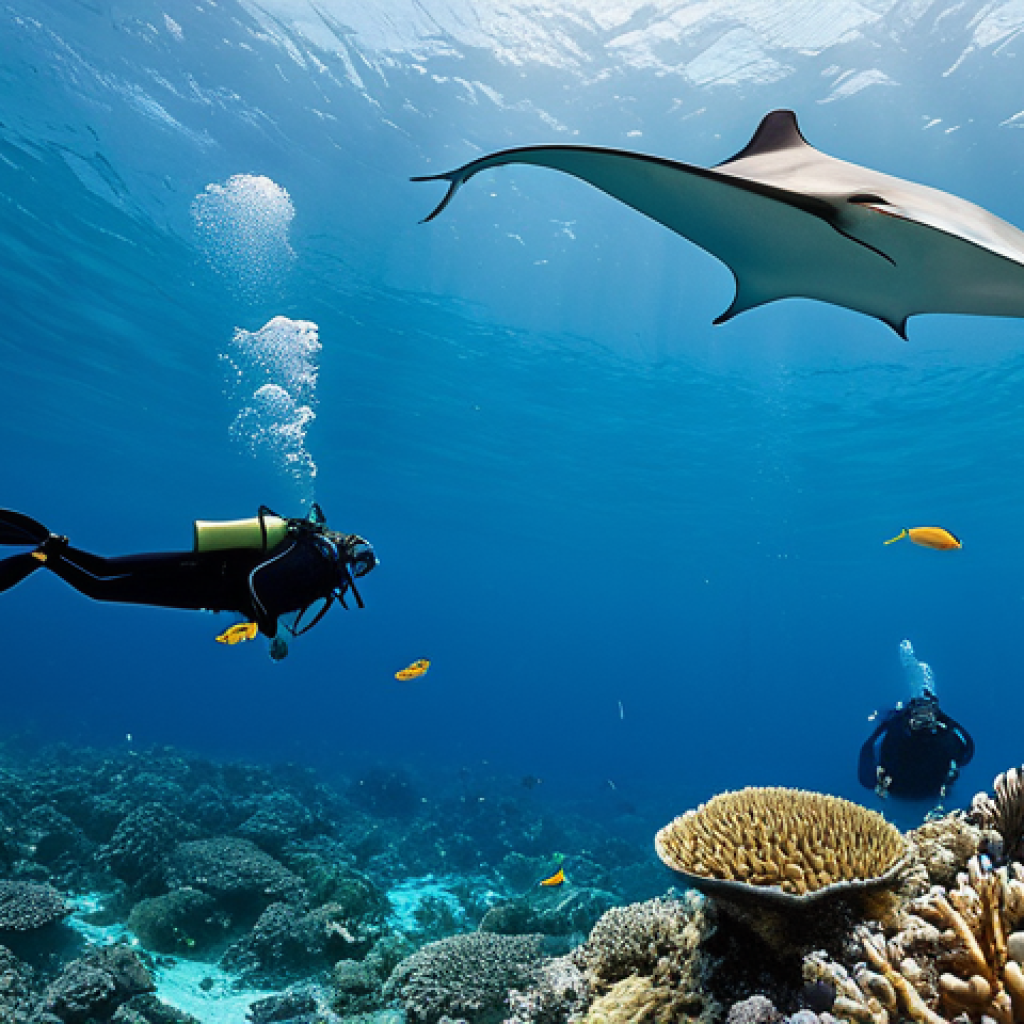
Diving in Palau is not just an activity; it’s an immersive pilgrimage into an untouched realm. I’ve been fortunate enough to dive in many places around the world, but nothing, and I mean *nothing*, compares to the sheer density and diversity of marine life here.
From the first moment you descend, you’re greeted by a kaleidoscope of colors – vibrant soft corals swaying with the current, schools of barracuda forming swirling vortexes, and the majestic glide of sharks in the distance.
The currents can be exhilarating, especially at sites like Blue Corner, where you literally hook into the reef and watch the aquatic drama unfold before your eyes, a truly surreal experience that always leaves me breathless and wanting more.
What I felt was a profound connection to nature, an understanding of just how fragile and beautiful our oceans truly are when left undisturbed. It’s a place where every dive tells a story, whether it’s an encounter with a gentle manta ray or navigating through the haunting wreck of a WWII ship, each moment etched into your memory.
The visibility here often extends well beyond 30 meters, offering panoramic views of the colossal reef systems and the creatures that call them home. It’s a sensory overload in the best possible way, reminding you of the raw power and beauty of the natural world.
1. Navigating Palau’s Iconic Dive Sites
Palau boasts an array of world-renowned dive sites, each offering a unique spectacle. Blue Corner, for instance, is legendary for its strong currents that act as a magnet for pelagic species – I’ve seen everything from grey reef sharks and white-tip sharks to eagle rays and massive schools of snappers converging there.
It’s a rush, a true adrenaline pump, as you hold onto the reef hook and feel the ocean’s power. German Channel, on the other hand, is a haven for manta rays, especially during specific tides.
I remember one dive there where we were surrounded by at least five mantas gracefully gliding around us, their sheer size and elegance leaving me in awe.
And then there’s Jellyfish Lake, a truly unique, surreal experience that feels like stepping into another dimension. Floating among thousands of golden, stingless jellyfish, feeling their soft pulsations against your skin, is something you won’t find anywhere else on Earth.
It’s not a dive, but a snorkel, and it’s an absolute must-do for anyone visiting Palau, a testament to the island’s incredible biodiversity.
2. Choosing the Right Dive Operator for Your Adventure
Selecting a reputable dive operator in Palau is crucial for both safety and maximizing your experience. You want guides who are not only intimately familiar with the dive sites and their challenging currents but who also deeply respect Palau’s conservation efforts.
Based on my personal interactions and experiences, I always look for operators with small group sizes, experienced dive masters who prioritize safety briefings, and those who emphasize minimal impact on the marine environment.
Many operators also offer multi-day packages that include equipment rental, boat trips, and even packed lunches, which can be incredibly convenient. Don’t be afraid to ask about their safety protocols, emergency procedures, and their approach to marine conservation.
A good dive operator will be transparent and passionate about protecting Palau’s pristine waters, and you’ll feel that genuine care from the moment you meet them.
It’s not just about getting wet; it’s about connecting with people who share your reverence for this underwater paradise.
Embracing the Palau Pledge: Responsible Tourism and Cultural Immersion
The Palau Pledge isn’t just a signed document; it’s a profound commitment to protecting this paradise for future generations, and it truly defines the spirit of tourism here.
From the moment I first landed and took the pledge, I felt an immediate sense of responsibility, a personal connection to the island’s conservation efforts.
It’s woven into every aspect of your visit, from the signs reminding you not to touch the coral to the local guides passionately explaining the importance of sustainable fishing.
This proactive approach, driven by the Palauan people themselves, sets an unparalleled standard for eco-tourism globally. It’s not just about protecting the environment; it’s about respecting the local culture, its customs, and its ancient traditions.
I found that engaging with local communities, even in small ways like trying traditional dishes at a local eatery or listening to stories from elders, enriched my trip immeasurably.
It transforms a simple vacation into a meaningful journey where you become a part of something larger than yourself.
1. Understanding and Upholding the Palau Pledge
The Palau Pledge is a world-first initiative that requires all visitors to sign a conservation pledge upon arrival, promising to protect Palau’s natural and cultural heritage.
It’s printed in your passport upon entry, a constant reminder of your commitment. For me, it wasn’t just a formality; it was a powerful statement that immediately set the tone for my entire trip.
It means no touching coral, no feeding marine life, no taking souvenirs from the reef, and being mindful of your waste. What resonated deeply with me was how the locals truly live by these principles themselves, and they expect visitors to do the same.
It creates a collective sense of guardianship, fostering an environment where everyone contributes to preserving this incredible ecosystem. It’s a model I truly wish more destinations would adopt because it empowers both visitors and locals to be stewards of the environment.
2. Engaging with Palauan Culture and Local Life
Beyond the breathtaking natural beauty, Palau offers a rich cultural tapestry waiting to be explored. Don’t just stick to the resorts; venture out and experience the local life.
I remember spending an afternoon at a local market, chatting with vendors, and tasting fresh tropical fruits I’d never seen before. It was a simple interaction but incredibly authentic.
Visiting traditional Bai (men’s meeting houses) offers a glimpse into ancient Palauan architecture and societal structures, often accompanied by fascinating stories from local guides.
Trying local cuisine, like taro or fresh seafood prepared with traditional methods, is another fantastic way to connect. I particularly enjoyed the coconut crab, a unique delicacy, though always ensuring it was sourced sustainably.
These interactions truly complete the Palau experience, adding layers of meaning and understanding that you simply can’t get from just seeing the sights.
It makes you feel like you’re not just a tourist, but a welcomed guest.
Beyond the Depths: Exploring Palau’s Unique Land-Based Wonders
While Palau is globally celebrated for its unparalleled underwater world, to truly experience its magic, you absolutely must venture beyond the reefs and explore its verdant, limestone-rich landscapes.
I made the mistake on my first trip of focusing almost exclusively on diving, and while incredible, I felt I missed a crucial part of the island’s charm.
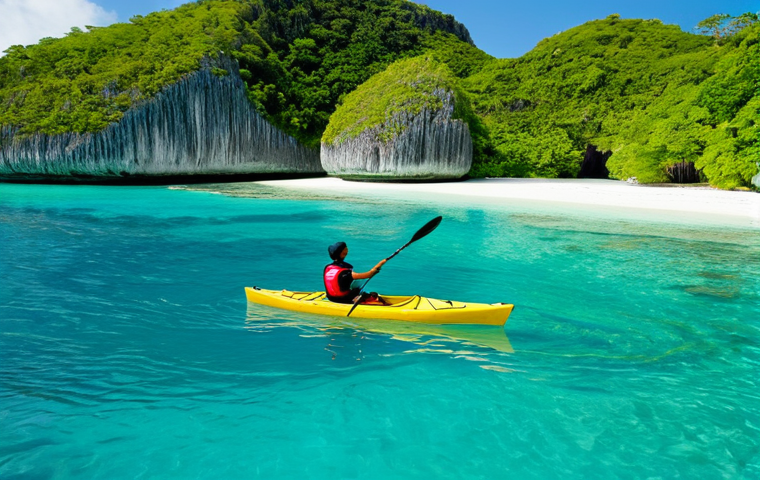
On subsequent visits, I dedicated time to discovering the hidden gems above water, and it was a revelation. The Rock Islands, a UNESCO World Heritage site, are not just for diving; their mushroom-shaped formations, sculpted by millennia of wind and waves, create a labyrinth of emerald lagoons and secret coves perfect for kayaking or stand-up paddleboarding.
The contrast between the vibrant marine life below and the ancient, lush terrestrial environment above is striking and adds another dimension to Palau’s allure.
This unique geology also means there are fascinating historical sites and breathtaking viewpoints just waiting to be discovered.
1. Kayaking Through the Majestic Rock Islands
Kayaking through the Rock Islands is an experience that truly connects you with Palau’s unique geography. Unlike the open ocean dives, this is a serene, contemplative journey through a maze of incredibly green, mushroom-shaped islands rising dramatically from turquoise waters.
I remember paddling silently through narrow channels, the only sounds being the dip of my paddle and the calls of exotic birds. We discovered hidden marine lakes, and even some small, secluded beaches where we stopped for a refreshing swim.
It’s a completely different perspective than diving, offering a chance to appreciate the sheer scale and beauty of these ancient formations from the surface.
Many tours offer guided kayaking excursions, often combined with snorkeling in pristine lagoons, allowing you to explore areas inaccessible by larger boats.
It’s a fantastic way to spend a day, blending gentle exercise with breathtaking scenery, and it’s something I highly recommend for anyone wanting a comprehensive Palau adventure.
2. Uncovering Palau’s Historical Echoes and Viewpoints
Palau, despite its tranquil appearance, holds a significant place in WWII history, particularly during the Battle of Peleliu. Exploring the remnants of this tumultuous past offers a sobering yet fascinating glimpse into a pivotal moment in human history.
I visited the battle sites on Peleliu, walked through dense jungle paths where fierce fighting occurred, and saw the remnants of tanks and bunkers. It was a somber experience, but incredibly important for understanding the island’s layered history.
Beyond history, there are numerous viewpoints that offer panoramic vistas of the Rock Islands and the vast Pacific. Ngardmau Waterfall, for example, is a beautiful trek through the jungle culminating in a refreshing dip beneath cascading waters.
These land-based excursions offer a much-needed counterpoint to the underwater adventures, enriching your understanding of Palau as a whole and revealing its multifaceted identity.
Practical Pointers for a Seamless Palauan Adventure
Planning a trip to a remote island nation like Palau requires a bit more foresight than your typical beach vacation, but trust me, the effort pays off exponentially.
I’ve learned through my own travels here that meticulous planning, especially regarding logistics and local customs, can make all the difference between a good trip and an unforgettable one.
From understanding the best time to visit to navigating local transportation and managing your finances, a little preparation goes a long way. It’s not about being rigid, but about being informed so you can maximize your time soaking in all the incredible experiences Palau has to offer.
My personal experience has always shown that anticipating small challenges and knowing how to overcome them frees you up to truly immerse yourself in the journey.
1. Best Times to Visit and Essential Packing List
The best time to visit Palau is generally during its dry season, from November to April. This is when you can expect the calmest seas and best visibility for diving, though it also tends to be peak tourist season.
The wet season (May to October) still offers great diving, often with fewer crowds, but you might encounter more rain and choppier waters. For packing, think light and quick-drying.
Beyond your diving gear, I always recommend bringing multiple swimsuits, reef-safe sunscreen (this is non-negotiable and strictly enforced to protect the coral), a wide-brimmed hat, insect repellent, and comfortable walking shoes for land excursions.
A dry bag is also a lifesaver for protecting electronics on boat trips. Don’t forget a good underwater camera – you’ll regret it if you don’t capture the magic below the surface!
2. Navigating Local Currency and Connectivity
Palau uses the US Dollar (USD) as its official currency, which makes financial transactions straightforward for many international visitors. Credit cards are widely accepted at resorts and larger establishments, but it’s always wise to carry some cash for smaller local shops, markets, and taxis.
ATMs are available in Koror, the main commercial hub. When it comes to connectivity, Wi-Fi can be spotty and slow outside of major hotels, so manage your expectations.
I typically purchase a local SIM card upon arrival for essential communication and to stay connected when needed, but honestly, part of Palau’s charm is its ability to disconnect you from the digital world and fully immerse you in nature.
Embrace the digital detox; it’s incredibly refreshing!
| Category | Recommended Item | Why It’s Essential in Palau |
|---|---|---|
| Underwater Gear | Reef-Safe Sunscreen | Mandatory for marine protection; regular sunscreen is harmful to coral. |
| Underwater Gear | Personal Mask & Snorkel | Ensures comfortable fit and hygiene for frequent water activities. |
| Apparel | Rash Guard / Dive Skin | Protection from sun exposure and minor scrapes during water sports. |
| Apparel | Quick-Dry Clothing | Humid climate and frequent water activities mean things get wet fast. |
| Essentials | Insect Repellent | Necessary for evenings and land excursions, especially in lush areas. |
| Essentials | Reusable Water Bottle | Stay hydrated and reduce plastic waste, aligning with the Palau Pledge. |
| Photography | Underwater Camera (GoPro/Olympus TG-6) | To capture the incredible marine life and unique underwater landscapes. |
Savoring Palauan Flavors: A Culinary Journey
One aspect of travel that truly deepens my connection to a place is its food, and Palau is no exception. While not as globally renowned for its cuisine as some other destinations, Palauan food offers a delightful blend of fresh seafood, local produce, and subtle influences from its diverse history.
I’ve always found that the best way to understand a culture is through its kitchen, and in Palau, this meant venturing beyond hotel restaurants to discover authentic local eateries.
The emphasis is on freshness and simplicity, allowing the natural flavors of the ingredients to shine through. From the humble taro dishes to exquisitely prepared fish, every meal felt like an honest reflection of the island’s resources and traditions.
It’s a culinary journey that complements the visual feast of its landscapes and waters.
1. Must-Try Local Delicacies and Fresh Seafood
When in Palau, you absolutely must indulge in the incredibly fresh seafood. Given its location, it’s no surprise that fish, crabs, and shellfish feature prominently in the local diet.
I recall a dish of grilled reef fish that was so fresh, it practically melted in my mouth, simply seasoned to highlight its natural sweetness. Another unique experience was trying the fruit bat soup, a traditional Palauan dish that, while perhaps challenging for some palates, offers a truly authentic taste of local cuisine.
Taro, a staple root vegetable, is prepared in various ways, from savory stews to sweet desserts, and it’s surprisingly versatile. Don’t be afraid to ask locals for their recommendations; they often know the best spots for authentic, home-cooked flavors.
It’s these kinds of culinary explorations that add so much richness to the travel experience, creating lasting memories beyond the sights.
2. Dining Experiences and Local Food Markets
The dining scene in Palau is primarily centered around Koror, offering a range of options from casual local eateries to more upscale restaurants. To truly immerse yourself, I highly recommend seeking out the smaller, family-run establishments where you can taste genuine Palauan home cooking.
I’ve often found these places by simply wandering down a side street or asking my dive guide for their personal favorites. The experience is often humble but incredibly rewarding, with hearty portions and warm hospitality.
Visiting a local food market is another fantastic way to get a feel for the local produce and observe daily life. It’s a vibrant hub of activity where you can see the day’s catch and fresh fruits, sometimes even sampling unique local snacks.
These everyday interactions, like buying fruit from a street vendor, are what make a trip feel truly lived, not just observed.
Unlocking Unique Adventures: Beyond the Standard Itinerary
Palau’s allure extends far beyond its well-known dive sites and the Rock Islands. What truly sets an unforgettable trip apart, in my experience, is delving into the lesser-known, more adventurous corners that offer a deeper, more personal connection to this extraordinary destination.
It’s about seeking out those unique experiences that aren’t on every tourist pamphlet but offer profound moments of wonder and discovery. I’ve always found that the most memorable parts of any journey are often the unplanned detours or the deliberately sought-out niche activities.
Palau, with its untouched wilderness and rich biodiversity, offers countless opportunities for such bespoke adventures, if you know where to look and who to ask.
These are the moments that transform a trip into an authentic exploration.
1. Birdwatching and Trekking Through Pristine Jungles
For those who love to explore on foot and appreciate terrestrial wildlife, Palau’s lush interiors offer incredible opportunities for birdwatching and jungle trekking.
While the marine life often steals the show, the islands are home to a surprising array of endemic bird species, some of which are quite rare. I remember one particular trek through the Ngardok Nature Reserve where, with the help of a local guide, I spotted several species I’d only ever seen in books, like the Palauan fruit dove and the Palau fantail.
The jungle itself is a vibrant ecosystem, teeming with unique flora and fascinating insects, and the sheer tranquility of being enveloped by such ancient greenery is incredibly restorative.
These treks often lead to hidden waterfalls or panoramic viewpoints, providing a refreshing change of pace from the ocean and allowing you to appreciate the island’s diverse ecosystems.
2. Fishing Charters and Experiencing Local Traditions
For avid anglers, Palau offers world-class fishing opportunities, whether you’re interested in deep-sea game fishing or traditional reef fishing. What makes it truly special here is the chance to engage with local fishing traditions.
I took a local fishing charter one afternoon, not just for the catch, but to learn about their sustainable fishing methods and the importance of the ocean in Palauan culture.
It was fascinating to see their innate understanding of the tides, currents, and fish behavior. Many tours also offer the chance to experience traditional Palauan navigation techniques or participate in local weaving workshops.
These aren’t just activities; they’re doorways into the heart of Palauan heritage, allowing you to learn directly from the people who have stewarded these islands for generations.
It’s a privilege to be welcomed into their traditions and gain a deeper appreciation for their way of life.
Wrapping Up Your Palauan Adventure
As you can tell, Palau isn’t just a destination; it’s an experience that truly transforms you. From the moment I first plunged into its waters to exploring its ancient land, every interaction reinforced my belief that this island nation is a global treasure.
It’s a place where adventure meets profound respect for nature, where ancient culture thrives alongside modern conservation. Planning your trip with these insights in mind will not only ensure a seamless journey but also allow you to connect with Palau on a much deeper, more meaningful level.
Embrace the pledge, dive into its wonders, and let this unique paradise leave an indelible mark on your soul.
Essential Information for Your Trip
1. Visa Requirements: Most nationalities receive a 30-day visa upon arrival, but always check the latest requirements for your specific country before you travel to avoid any surprises.
2. Health Precautions: While Palau is generally safe, it’s wise to consult your doctor about recommended vaccinations. Basic first-aid supplies are readily available, but for more specific medications, bring your own.
3. Emergency Services: In case of an emergency, dial 911. Koror has a hospital with basic facilities, and dive operators are usually well-trained in emergency procedures for diving-related incidents.
4. Local Etiquette: Palauan culture is polite and respectful. When visiting villages or cultural sites, dress modestly, and always ask permission before taking photos of people or private property. A simple “Alii” (hello) goes a long way!
5. Environmental Responsibility: Beyond the Palau Pledge, remember to always dispose of waste properly, avoid single-use plastics where possible, and support local businesses that practice sustainable tourism. Your choices directly impact this fragile ecosystem.
Key Takeaways for Your Palau Trip
Palau offers an unparalleled blend of world-class diving, rich cultural immersion, and commitment to environmental conservation. Adhere to the Palau Pledge and practice responsible tourism.
Engage with local communities and explore both marine and land-based wonders for a comprehensive experience. Plan your logistics carefully, including currency and connectivity, and prioritize reputable, eco-conscious tour operators to make your journey unforgettable.
Frequently Asked Questions (FAQ) 📖
Q: Palau’s underwater world sounds incredible. How can I really make the most of it, especially if I want to dive deeper than just the usual tourist spots?
A: Oh, you’re asking the right question! That’s exactly what I wondered before my trip. The key to truly experiencing Palau’s marine magic isn’t just about ticking off famous dive sites like Blue Corner or German Channel – though they are mind-blowing, don’t get me wrong.
It’s about letting the local guides, who practically live and breathe these waters, lead you to those hidden gems. I remember one day, our guide took us to a less-frequented coral garden.
It wasn’t on any “top 10” list, but the sheer biodiversity and the vibrant, untouched corals were just… chef’s kiss. We spent an hour just floating, observing the intricate dance of parrotfish, triggerfish, and baby reef sharks.
My advice? Talk to the dive shop owners, especially the smaller, locally run ones. Tell them you’re interested in conservation or unique ecosystems.
They often have special trips or can point you to less-explored coves where the encounter feels more personal, more raw. It’s about being open to discovery beyond the brochures.
Q: I’ve heard about the Palau Pledge. What exactly is it, and how does it affect my travel plans?
A: Ah, the Palau Pledge! It’s not just some bureaucratic formality; it’s a profound statement that truly sets Palau apart and honestly, it changed my perspective on travel.
When you arrive, you literally sign a pledge in your passport, committing to protecting Palau’s natural and cultural heritage for future generations. It’s written by Palauan children, which gives it such a powerful, personal touch.
For me, it wasn’t just a signature; it was a moment of reflection. It means embracing responsible tourism – no touching corals, no littering, no taking anything from the ocean, and being mindful of local customs.
Practically, this translates into everyday actions: choosing reef-safe sunscreen, always using designated paths, and respecting marine life from a distance.
It influences who you choose for tours too; look for operators who visibly uphold these values and prioritize small group, low-impact excursions. It’s not a burden; it’s an invitation to be part of something bigger, a guardian of this paradise.
And trust me, seeing the results of this commitment in their thriving reefs makes you feel incredibly proud to have played a small part.
Q: Beyond all the incredible diving, what are some ways to truly connect with Palau’s local culture and find those “hidden coves” you mentioned?
A: That’s where the magic truly unfolds, beyond the turquoise waters! To really connect with Palau, you’ve got to step onto land and embrace its rich history and vibrant culture.
Forget just hopping from one dive boat to another. My personal favorite was visiting some of the ancient Bai (men’s meeting houses) – the intricate carvings tell stories of generations, and it really grounds you in their heritage.
Another fantastic experience was simply exploring Koror’s local markets. It’s not just about souvenirs; it’s about tasting local fruits, trying fresh catch, and just soaking in the daily rhythm of island life.
For those “hidden coves,” consider renting a small kayak or stand-up paddleboard and exploring the Rock Islands yourself, with a licensed guide of course.
They know the secret passages and the quiet lagoons perfect for a serene afternoon away from any crowds. Also, don’t shy away from just striking up conversations with locals; their hospitality is legendary.
Ask them about their favorite lesser-known spots for a swim, or where they get the best fresh coconut. Often, the best experiences aren’t planned on a map but discovered through genuine interaction and a willingness to simply be present.
It’s about that feeling of belonging, even if just for a short time.
📚 References
Wikipedia Encyclopedia
구글 검색 결과
구글 검색 결과
구글 검색 결과
구글 검색 결과
구글 검색 결과