Stepping onto the shores of Palau, an island nation often whispered about as the last untouched paradise, you immediately feel a sense of serene calm wash over you.
My first thought, even amidst the awe-inspiring turquoise waters and vibrant marine life, was the quiet reassurance that this place felt genuinely secure.
You see, when planning any adventure, especially to a remote destination, the question of safety always looms large, right? I know it does for me. Despite its remote allure, it’s only natural to wonder about the local environment beyond the tourist brochures.
What I’ve personally come to understand, having spent time there and spoken with locals, is that Palau’s reputation for tranquility is well-earned. Yet, like anywhere else in our increasingly interconnected world, being a mindful traveler means staying aware.
We’re living in times where global events can unexpectedly ripple even to the most secluded corners, making up-to-date knowledge incredibly valuable. From understanding local customs that ensure respectful interactions to being aware of minor, everyday precautions, my own experience confirmed that a little preparedness goes a long way towards unlocking a truly worry-free and deeply enriching visit.
Let’s dive deeper below.
Understanding the Palauan Way of Life: “Olilai” and Community Bonds
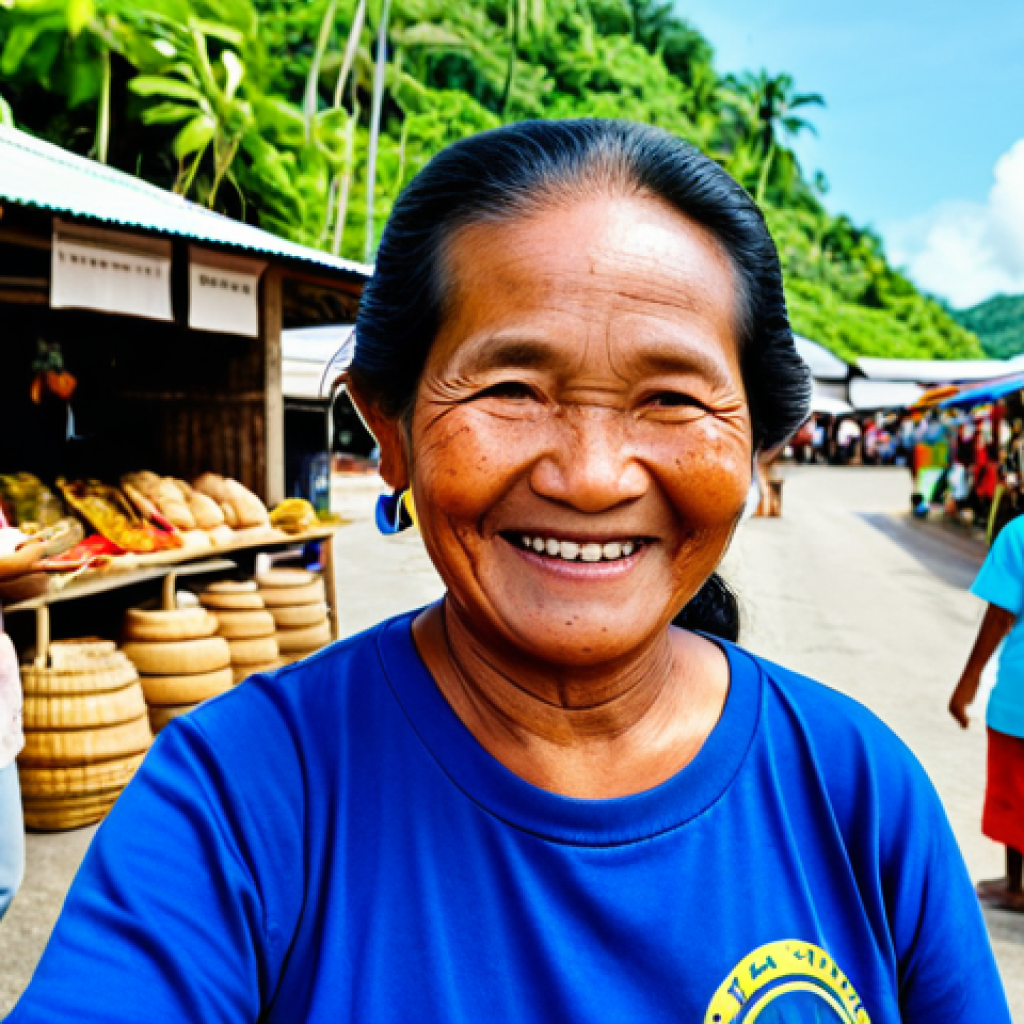
Stepping into the rhythm of Palauan life, you quickly realize that safety isn’t just about statistics or police presence; it’s deeply woven into the fabric of their culture, specifically through a concept they call “Olilai.” I remember first hearing about it from a local elder, a kind woman who ran a small guesthouse I stayed at in Koror.
She explained that “Olilai” essentially translates to community support and kinship, a deep-seated commitment to looking out for one another. This isn’t some abstract ideal; I saw it in action every single day.
From the way neighbors would spontaneously help each other fix a fishing boat to how children were collectively watched over by various adults in a village, there’s an undeniable sense of shared responsibility.
This inherent communal vigilance, I truly believe, acts as a powerful, organic deterrent to crime. When everyone knows everyone, or at least knows who belongs and who doesn’t, and genuinely cares about the well-being of the collective, it creates an incredibly secure environment.
My personal takeaway was that their traditional values inherently foster a safer place for both residents and, by extension, visitors like myself. You can feel that warmth and the watchful, caring eyes of the community around you, making you feel genuinely welcomed and secure, rather than just another tourist passing through.
This cultural bedrock is, in my opinion, one of Palau’s strongest assets when it comes to overall peace of mind for travelers. It’s a feeling you rarely get in more bustling, anonymous destinations.
1. The Unspoken Laws of Respect: How to Navigate Local Customs
When you arrive in a new country, especially one as culturally rich and pristine as Palau, understanding and respecting local customs isn’t just about being polite; it’s a fundamental aspect of your personal safety and overall experience.
What I quickly learned, often through observation and gentle guidance from locals, is that Palauans value respect, modesty, and a quiet demeanor. For instance, public displays of affection are generally frowned upon, and dressing modestly, especially when visiting villages or non-tourist areas, goes a very long way.
I personally always made sure my shoulders and knees were covered when out and about, and I noticed how appreciative the locals were of this small gesture.
It’s an unspoken acknowledgment of their way of life. The concept of “Omengall,” or respect, is paramount. This means not just respecting people, but also the land, the ocean, and their ancestral sites.
When I visited the ancient stone monoliths of Badrulchau, for example, I felt a deep sense of reverence. Knowing that these sites hold immense cultural and historical significance means you approach them with care, avoiding climbing on them or taking anything from them.
Ignoring these subtle but significant cultural nuances can inadvertently lead to misunderstandings, which, while unlikely to be dangerous, can definitely dampen the warmth of local interactions.
I found that a simple “Alii” (hello) and a genuine smile, coupled with respectful behavior, opened so many doors and made my interactions far more meaningful and enriching.
It really makes you feel part of their world, even if just for a short time.
2. Community Vigilance: Why Locals Look Out for Each Other (and You)
The interwoven nature of Palauan society, rooted in the “Olilai” principle, creates an incredibly effective, informal network of vigilance. It’s not just a quaint idea; it’s a living, breathing reality that I witnessed firsthand.
I remember one evening, I was taking a walk near the main road in Koror, a bit lost in thought, and accidentally dropped my small daypack. I didn’t even notice until a young man on a scooter, who had clearly seen it fall, pulled over ahead of me, picked it up, and politely handed it back to me with a reassuring smile.
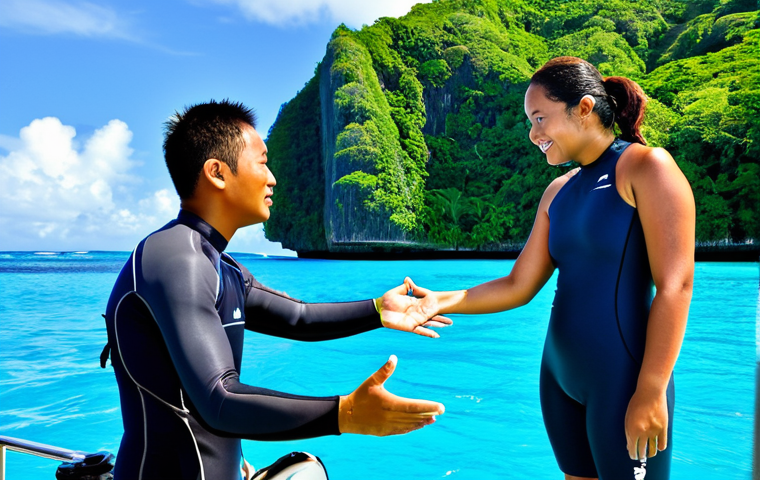
He didn’t ask for anything, just genuinely wanted to help. This wasn’t an isolated incident. Throughout my trip, whether it was a shopkeeper pointing me in the right direction when I looked confused, or a dive operator making sure everyone was accounted for not just at the boat but also back at their accommodations, there was always someone quietly looking out.
This collective watchfulness extends to visitors. Because tourism is so vital to their economy, and because their culture emphasizes hospitality, Palauans instinctively look out for tourists.
They understand that a safe and positive experience for visitors translates to a thriving community. It means if something seems amiss, or if you appear to be in trouble, chances are a local will notice and offer assistance.
This isn’t based on suspicion, but on a genuine sense of communal responsibility and pride in their peaceful home. As someone who often travels solo, this level of subtle yet ever-present care was incredibly comforting and a huge part of why I felt so secure throughout my stay.
It’s like having a hundred invisible guardians ensuring your well-being.
Navigating the Pristine Waters: Marine Safety Essentials
The sheer allure of Palau, for many, lies beneath its surface – in its world-renowned coral reefs, mysterious blue holes, and vibrant marine ecosystems.
I’ve been fortunate enough to dive in many places around the world, but Palau’s underwater realm is truly unparalleled. However, this breathtaking beauty comes with its own set of considerations when it comes to safety.
My personal experience, having spent countless hours exploring its depths, taught me that while the ocean here is magnificent, it demands respect and careful preparation.
I vividly remember one dive at German Channel, famous for its manta rays. The currents can be quite strong there, and our experienced dive master was incredibly diligent about briefing us on the current, showing us exactly where to hold onto the reef, and ensuring everyone was comfortable with the plan.
It’s moments like these that truly emphasize that even in paradise, vigilance is key. You’re not just swimming in a calm lake; you’re interacting with a powerful, dynamic natural environment.
This means always diving or snorkeling with a reputable, licensed operator, and never, ever attempting to venture out alone into unfamiliar waters. The pristine nature of Palau’s marine environment also means you’re encountering truly wild marine life.
While most are harmless, understanding potential interactions and maintaining a respectful distance is crucial. This proactive approach to marine safety is not just about avoiding accidents; it’s about ensuring that your interaction with this incredible underwater world remains purely magical, free from preventable mishaps.
1. Beyond the Reef: Understanding Palau’s Unique Ocean Challenges
Palau’s geological formations, especially its famous “rock islands,” create a unique ocean environment that is both stunning and, at times, challenging.
What I quickly observed, and later confirmed through conversations with local fishermen and dive guides, is that the currents around these islands can be surprisingly strong and unpredictable.
Unlike some other tropical destinations where currents are relatively consistent, Palau’s tides and the movement of water through its channels and around its mushroom-shaped islands can shift.
This is why having a knowledgeable local guide is non-negotiable for any serious water activity. I recall one snorkeling trip where the visibility was crystal clear, but our guide pointed out a subtle ripple on the surface that indicated a strong undertow just beyond a particular section of the reef.
Without his trained eye, I might have simply swum into it. Additionally, while the water itself is incredibly clean, marine hazards do exist. Jellyfish Lake is famous for its non-stinging jellyfish, but other species of jellyfish can be found in the open ocean, and some coral can cause scrapes or stings if touched.
I always wore a full-body wetsuit, even when just snorkeling, not just for warmth but for protection against accidental contact with marine life or coral.
Understanding that Palau’s ocean is a vibrant, wild ecosystem, rather than just a tranquil swimming pool, is key to truly appreciating its beauty safely.
It’s about respecting the power and unpredictability of nature, which is part of what makes it so breathtakingly beautiful.
2. Gear Up, Dive Smart: Personal Experiences with Dive Safety
As an avid diver, the prospect of exploring Palau’s legendary dive sites was what initially drew me there. From the moment I stepped onto the dive boat, I felt a sense of professionalism that immediately put me at ease.
Every single dive operator I encountered in Palau, from Sam’s Tours to Fish ‘n Fins, seemed to operate with an unwavering commitment to safety, something I deeply appreciate.
They rigorously checked certifications, conducted thorough equipment checks before every dive, and provided comprehensive briefings covering the dive plan, potential hazards, and emergency procedures.
My personal gear was inspected multiple times, and they even offered well-maintained rental equipment, which is a huge plus. One particular memory stands out: on a dive at Blue Corner, known for its strong currents and pelagic action, our dive guide meticulously explained how to use reef hooks safely – not for mooring, but for positioning ourselves against the current to observe the sharks and fish.
He demonstrated it clearly and patiently, ensuring everyone understood the technique to avoid damaging the coral. He even made sure each diver had a signal device and an emergency whistle.
This level of attention to detail and proactive education is what truly defines dive safety in Palau. They don’t just take you to the sites; they equip you with the knowledge and tools to engage with them responsibly.
My advice to anyone planning to dive in Palau is simple: choose a reputable dive center, listen to your dive guide, and be honest about your experience level.
This way, you’ll be fully immersed in the wonder of Palau’s underwater world without a single worry.
Health and Wellness: Staying Healthy in a Tropical Paradise
Even in a place as idyllic as Palau, maintaining your health and wellness is paramount to truly enjoying your trip. When I first arrived, the tropical humidity hit me immediately, reminding me that this environment demands a different kind of vigilance than what I’m used to back home.
My personal approach to travel health usually involves a bit of pre-trip research and packing smartly, and Palau was no exception. I quickly realized that the biggest “threat” to my comfort wasn’t anything serious, but rather the sun and the ever-present mosquitoes and sandflies!
I remember one particularly sunny afternoon after a long snorkeling trip, despite having applied sunscreen, I still ended up with a slightly pink nose.
It was a gentle reminder that the equatorial sun here is intensely powerful, far more so than you might anticipate. Beyond the obvious, I also became acutely aware of what I was eating and drinking.
While tap water in Koror is generally considered safe, especially in hotels, I always opted for bottled water, or ensured any ice in my drinks was made from purified water, just to be on the safe side.
It’s these small, consistent habits that, from my experience, make all the difference in staying healthy and energized throughout your adventure, ensuring that you’re fully capable of enjoying every single moment Palau has to offer without any health setbacks slowing you down.
It’s about being smart and proactive, rather than reactive, to the natural elements of a tropical climate.
1. Tropical Traps: From Sunburn to Sandflies, What I Learned
The Palauan sun, while inviting, is no joke. I’ve been to many sunny destinations, but the intensity of the UV rays near the equator is on another level.
My personal lesson came early in the trip when, after an exhilarating day on the water, I found myself with a rather vibrant, lobster-red shoulder despite thinking I had applied enough sunscreen.
It was a wake-up call. From that point on, I made sure to reapply high-SPF, reef-safe sunscreen every two hours, and I also started wearing a rash guard for extra protection during long periods in the water.
Wide-brimmed hats and sunglasses became my constant companions. But it wasn’t just the sun; the small but mighty insects also made their presence known.
Mosquitoes, particularly around dawn and dusk, are a reality, and while malaria isn’t a concern in Palau, dengue fever is present. I always carried a strong insect repellent with DEET or picaridin, and used it diligently, especially when venturing into more vegetated areas or enjoying an evening meal outdoors.
Sandflies, too, can be a nuisance on some beaches, leaving behind itchy bites. I found that applying a barrier cream or oil (like coconut oil) to exposed skin before hitting the beach often helped.
The key takeaway for me was that these aren’t major dangers, but persistent annoyances that, if not managed, can significantly detract from your comfort and enjoyment.
A little preparation goes a long way in avoiding itchy nights and painful burns.
2. Hydration and Hygiene: Personal Tips for a Worry-Free Stay
Staying properly hydrated in Palau’s tropical climate is not just a recommendation; it’s an absolute necessity. The combination of heat, humidity, and active days spent diving, snorkeling, or exploring means you’re constantly losing fluids.
I quickly learned to always carry a large reusable water bottle with me and refill it whenever possible. Many hotels and dive centers offer filtered water stations, which is a great way to reduce plastic waste and stay hydrated.
As I mentioned, while tap water in Koror is generally fine, especially in established hotels, I always leaned on the side of caution and drank bottled water or ensured my ice came from a safe source.
When it comes to food, I found the local cuisine to be absolutely delicious and generally very safe. I never experienced any issues, even when trying street food or smaller, local eateries.
However, as with any travel, common sense hygiene practices are crucial. Always wash your hands thoroughly before eating, or use a hand sanitizer if soap and water aren’t available.
When choosing food, look for places that appear clean and busy, indicating fresh turnover of ingredients. Don’t be afraid to ask how food is prepared if you have specific dietary concerns.
My personal experience confirmed that with basic precautions – staying hydrated, protecting yourself from the sun, and practicing good hand hygiene – you can fully immerse yourself in Palau’s beauty without falling victim to preventable health woes.
It’s about being prepared and mindful, allowing you to focus on the wonders around you rather than feeling unwell.
On Land Adventures: Road Safety and Exploring Beyond Koror
While much of Palau’s fame comes from its underwater world, the land-based exploration offers a unique perspective into its culture and natural beauty.
My curiosity often leads me to explore beyond the main tourist hubs, and in Palau, this meant venturing out from Koror to discover hidden waterfalls, quaint villages, and historical sites.
What I quickly observed, and felt personally, was that road safety here presents a different set of considerations than in, say, a bustling metropolitan city.
Traffic is minimal, but the roads can be narrow, winding, and sometimes unpaved, especially once you head out into Babeldaob, the largest island. I distinctly remember renting a car for a day trip to explore the Ngardmau Waterfall and the ancient Monoliths of Badrulchau.
The journey itself was part of the adventure. There aren’t many streetlights once you leave Koror, and driving at night can be particularly challenging due to wildlife (like chickens and dogs crossing the road unexpectedly) and poor visibility.
I made a mental note to always finish my explorations before dusk. The general pace of life on land is much slower, and this extends to driving. People aren’t rushing, and that calm translates into fewer aggressive drivers.
My experience was overwhelmingly positive, reinforcing that with a bit of foresight and awareness, navigating Palau’s terrestrial landscape is an incredibly rewarding and safe endeavor, allowing you to connect with the island’s quieter, more traditional side.
1. Renting a Ride: My Experience with Palauan Roads
Renting a car in Palau is a fantastic way to gain independence and explore the larger island of Babeldaob at your own pace, which I highly recommend. I decided to rent a small SUV for a couple of days, and the process was straightforward through a local agency.
However, what I learned quickly is that while the main roads in Koror are paved and well-maintained, conditions can change quite dramatically once you venture further out.
Some of the routes to waterfalls or more secluded beaches can be unpaved, bumpy, or even quite muddy after heavy rain. I recall one particular stretch of road leading to the Japanese WWII historic sites that was quite narrow and winding, with occasional potholes.
It wasn’t dangerous, but it certainly required attentive driving and a slower pace. There are also very few road signs once you leave the main population centers, so having a good offline map downloaded on your phone is an absolute must.
I relied heavily on Google Maps with downloaded Palauan maps, which proved invaluable. Also, remember that Palauans drive on the right side of the road, which felt natural to me but is worth noting for those used to left-hand driving.
What impressed me was the general courtesy of other drivers; there was no aggressive honking or speeding. It felt like everyone was in a relaxed island mode.
My overall experience with driving in Palau was overwhelmingly positive, providing me with the freedom to discover hidden gems that tour buses might miss, all while feeling completely safe on the road.
2. Exploring Independently: Safety Tips for Solo Travelers
As a solo traveler, I’m always extra mindful of personal safety, and Palau truly shines as a destination where you can feel confident exploring on your own.
My personal approach involves a blend of common sense and respecting local norms. When hiking to waterfalls or exploring isolated beaches, I always let someone know my general plans – whether it was my guesthouse host or a friend back home.
This simple step provides a crucial layer of security. I also made sure my phone was fully charged and, as mentioned, had offline maps for navigation, as cell service can be spotty in more remote areas.
One afternoon, I decided to walk from my guesthouse in Malakal to downtown Koror. The walk felt completely safe, even as evening approached. People were friendly, and the atmosphere was very relaxed.
However, like anywhere else, it’s always wise to be aware of your surroundings, especially at night. Stick to well-lit areas, and if you’re out late, consider taking a taxi back to your accommodation.
Petty crime is extremely rare, but it’s always a good idea to keep valuables out of sight and not flash large sums of cash. I found that blending in, being respectful, and genuinely engaging with locals made my solo travels not only safe but incredibly enriching.
Palau offers an exceptional sense of freedom and security for those who wish to explore its wonders independently, making it a dream destination for solo adventurers.
Emergency Preparedness: What to Do When the Unexpected Happens
Even in a place as peaceful and safe as Palau, being prepared for the unexpected is a mark of a responsible traveler. While thankfully I didn’t encounter any major emergencies during my visit, I always take the time to understand the local emergency services and communication options.
It’s that “just in case” mindset that gives me true peace of mind. I personally made it a point to locate the nearest hospital and police station on a map shortly after arriving in Koror.
I also saved the emergency numbers in my phone. It’s a small, proactive step that can make a significant difference if something unforeseen were to occur, from a minor medical issue to a lost passport.
What I found comforting about Palau is that, despite its remote location, the community infrastructure, while not as sprawling as a major city, is surprisingly robust for essential services.
The limited population means that responses are often more personal and direct. My own experience has taught me that the biggest fear of an emergency abroad often comes from not knowing what to do or who to contact.
By having this basic information readily available, you eliminate a significant portion of that anxiety, allowing you to fully relax and immerse yourself in the wonders of your destination, knowing you’ve got a plan.
1. Essential Contacts: Who to Call and Where to Go
Having key emergency contacts readily accessible is a fundamental part of responsible travel, and Palau is no exception. While serious incidents are rare, knowing the numbers for local authorities and medical services can provide immense peace of mind.
I always keep a small card in my wallet with these numbers, alongside my accommodation details. The main hospital, Belau National Hospital, is located in Koror and serves as the primary medical facility.
For police and fire, the numbers are straightforward. It’s also wise to know the contact information for your country’s embassy or consulate, even if it’s located in a neighboring country and covers Palau.
They can provide invaluable assistance with lost passports, legal issues, or other emergencies. What I found was that many hotels and dive operators also have these numbers readily available and are very helpful if you need assistance.
Don’t hesitate to ask your guesthouse host for guidance; they are often the best source of local information and can even help make calls if there’s a language barrier, though English is widely spoken in tourist areas.
Being prepared by simply having these details means that if an unfortunate situation arises, you’re not scrambling, but can act quickly and decisively.
| Service Type | Contact Number | Notes/Location |
|---|---|---|
| Police Department | 911 | General Emergency for Law Enforcement |
| Fire Department | 911 | General Emergency for Fire Incidents |
| Belau National Hospital | +680 488-2555 | Located in Koror, Primary Medical Facility |
| Ambulance Services | 911 | Contact via General Emergency Number |
| Dive Emergency (Chamber) | +680 488-3483 | For Decompression Sickness, located at Belau National Hospital |
| Your Country’s Embassy/Consulate | (Check before travel) | Usually located in Manila or Tokyo, covers Palau |
2. Staying Connected: Connectivity Options and Their Importance
In today’s world, staying connected is not just a convenience; it’s an important aspect of personal safety, especially when traveling to remote destinations.
Before arriving in Palau, I did some research on mobile network coverage and opted to purchase a local SIM card shortly after landing. Both PNCC (Palau National Communications Corporation) and Palau Telecom offer prepaid SIM cards that provide access to 4G LTE data, which I found to be quite reliable, especially in Koror and surrounding areas.
Having local data meant I could easily access maps, research information, and communicate with my family back home. There’s a certain peace of mind knowing that you can make an emergency call or look up directions if you find yourself in a tight spot.
Wi-Fi is available in most hotels and guesthouses, and many cafes and restaurants offer it as well, though sometimes at a cost. What I quickly learned is that while connectivity is generally good in populated areas, it can become spotty or non-existent in more remote parts of Babeldaob or out at sea during dive trips.
For dive trips, reputable operators usually have satellite phones or marine radios for emergencies. My personal advice is to manage expectations about constant high-speed internet and to prioritize having a working phone for calls and basic data access.
This way, you’re always just a call or a quick message away from help or information, ensuring your journey remains smooth and safe. It’s a small investment that pays off big in terms of reassurance.
Responsible Tourism: Protecting Palau’s Future (and Your Safety)
The concept of responsible tourism in Palau isn’t just a buzzword; it’s a deeply ingrained philosophy that begins the moment you step off the plane. I remember my passport being stamped not just with an entry visa, but also with the “Palau Pledge,” a promise to protect their beautiful island nation for future generations.
This isn’t just a gimmick; it’s a powerful, binding commitment that immediately sets the tone for your visit. My personal take is that adhering to this pledge and engaging in responsible tourism practices isn’t just good for Palau; it inadvertently enhances your own safety and enjoyment.
When you respect the environment, you avoid potential hazards like stepping on venomous marine life or damaging fragile coral. When you support local businesses, you contribute to the economic stability and well-being of the community, fostering a welcoming and secure environment.
It creates a virtuous cycle where your actions as a tourist directly contribute to the preservation of the very things that make Palau so special, ensuring it remains safe, pristine, and accessible for everyone.
It’s about being a guest who understands the privilege of visiting such a unique place, and acting in a way that respects both its natural wonders and its people.
This intertwining of environmental responsibility and personal safety makes for an incredibly harmonious and fulfilling travel experience, where you become a part of the solution rather than unknowingly contributing to problems.
1. The Palau Pledge: More Than Just a Stamp, It’s a Way of Life
The Palau Pledge, for me, was one of the most impactful parts of my arrival experience. It’s a mandatory stamp in your passport, featuring a child’s handprint and an oath you must sign, promising to “tread lightly, act kindly and explore mindfully.” Initially, I thought it was a unique welcome, but as I spent more time in Palau, I realized it’s deeply ingrained in their national identity and daily life.
It’s not just a piece of paper; it’s a living document that guides visitor behavior and reinforces the importance of environmental conservation. I observed how dive guides consistently reminded us not to touch coral or marine life, and how locals meticulously separated their trash for recycling.
This pervasive culture of conservation means that visitors are constantly reminded to be respectful, which naturally guides you away from activities that might inadvertently put you or the environment at risk.
For instance, knowing not to feed fish not only protects the marine ecosystem but also prevents potential bites. My personal takeaway was that the Pledge isn’t just a charming custom; it’s a profound statement that fosters a collective sense of guardianship over Palau’s natural resources.
By embracing it, you become an active participant in preserving the beauty that you came to enjoy, ensuring its long-term viability and, by extension, the continued safety and serenity of the destination.
It truly transforms a passive visit into an active, conscious engagement with a destination that holds its natural heritage sacred.
2. Supporting Local: How Ethical Choices Enhance Your Experience
When I travel, I always strive to make choices that directly benefit the local economy and communities. In Palau, this philosophy not only felt good but also significantly enhanced my sense of security and connection with the place.
By choosing to eat at local family-run restaurants, purchasing handicrafts directly from artisans, or booking tours with Palauan-owned dive operators, I felt a more genuine connection to the people and their daily lives.
I remember one evening, I dined at a small, unassuming eatery where the owner proudly served dishes made with fresh, locally sourced ingredients. Striking up a conversation with her, I learned about her family and their deep ties to the island.
This kind of interaction, facilitated by supporting local businesses, creates a sense of mutual respect and warmth. It ensures that the economic benefits of tourism flow directly into the hands of the people who call Palau home, rather than being siphoned off by large international corporations.
This economic empowerment contributes to a stable and content community, which, in turn, reflects in the overall safety and welcoming atmosphere for tourists.
From my experience, when locals feel valued and benefit from tourism, they are naturally more inclined to be hospitable and look out for visitors. Choosing ethical and local options isn’t just about being a good tourist; it’s about becoming part of the positive cycle that sustains Palau’s unique charm and its peaceful environment, making your entire experience feel more authentic and secure.
Closing Thoughts
My journey through Palau has been an unforgettable testament to a place where safety isn’t just a concept, but a deeply ingrained way of life. From the warmth of the “Olilai” community bonds to the meticulous care of dive operators and the simple beauty of respecting local customs, every aspect of my visit reinforced a profound sense of security.
It’s a rare destination where you feel genuinely looked after, not by strict rules, but by a collective spirit of care and shared responsibility. This innate peace of mind allowed me to fully immerse myself in Palau’s breathtaking beauty, creating memories that I will cherish forever.
Useful Information
1. Currency: The official currency of Palau is the United States Dollar (USD). Make sure to carry smaller denominations for local markets and taxis, though major establishments and dive shops accept credit cards.
2. Language: While Palauan is the official language, English is very widely spoken, especially in tourist areas, hotels, and with tour operators. This makes communication incredibly easy for English-speaking travelers.
3. Visa & Entry: Most nationalities, including US, European, and many Asian citizens, receive a 30-day visa upon arrival in Palau. Always check the latest visa requirements for your specific nationality before traveling.
4. Tipping Culture: Tipping is generally not customary in Palau, as service charges are often included in prices. However, if you feel a service has been exceptional, a small gratuity is always appreciated, especially for dive guides and hotel staff.
5. Electricity: Palau uses Type A and Type B electrical outlets, which are the same as those found in the United States and Canada (two flat pins or two flat pins with a round grounding pin). The standard voltage is 120V with a frequency of 60Hz.
Key Takeaways
Palau offers an exceptionally safe and welcoming travel experience, largely due to its strong communal values (“Olilai”) and a deep-seated respect for both people and the environment (“Omengall”). Travelers can enhance their safety by understanding and adhering to local customs, choosing reputable tour operators for marine activities, prioritizing sun and insect protection in the tropical climate, and practicing sensible road safety. Embracing the Palau Pledge reinforces responsible tourism, which in turn contributes to the continued safety and pristine nature of this extraordinary destination, making for a truly worry-free adventure.
Frequently Asked Questions (FAQ) 📖
Q: What are some specific, everyday precautions travelers should take to feel truly secure in a place like Palau, beyond just the general advice?
A: You know, the kind of advice you get in brochures often feels a bit generic, right? What truly hit home for me in Palau was the importance of simple, almost intuitive things.
For instance, while it feels incredibly safe, just like anywhere, don’t flash wads of cash or leave your phone unattended on a café table – common sense, really, but easy to forget when you’re lulled by paradise.
I also made it a point to let my guesthouse know my general plans for the day, especially if I was heading out for a solo hike or dive. Not because I expected trouble, but just a little ‘heads up’ for peace of mind, both theirs and mine.
And honestly, the best ‘precaution’? Engaging with the locals. They’re genuinely kind, and a friendly chat can often give you the best, most current insights into what’s happening around, whether it’s a sudden change in tides or a local event to avoid.
Q: Beyond personal safety, how does one navigate local customs to ensure respectful and truly enriching interactions in such a unique cultural setting?
A: Ah, this is where the real magic happens, I think. It’s not just about avoiding offense, but about building genuine connections. I quickly learned that a simple ‘Alii!’ (hello in Palauan) goes a long, long way.
It’s not just a greeting; it’s an acknowledgment of their culture, and their smiles back are truly heartwarming. I vividly recall being at a local market, admiring some woven crafts, and instead of just pointing, I asked about the process, ‘How do you make these?’ The artisan, with a twinkle in her eye, spent ten minutes showing me a specific knot.
It wasn’t just a transaction; it was a shared moment. Also, remember that dress codes, especially when visiting villages or religious sites, are important – think modest shoulders and knees.
It’s not just a rule; it’s a sign of respect for their way of life, and frankly, it opens doors to deeper, more authentic experiences.
Q: Given the remoteness, how prepared should one be regarding medical emergencies or unexpected situations, and what resources are typically available?
A: This is something that definitely crosses your mind when you’re heading to a place that feels ‘off the grid,’ right? While Palau is stunning, it’s not New York City for urgent care.
My personal approach was twofold: first, a really robust travel insurance policy that covered emergency medical evacuation – honestly, it’s non-negotiable for remote travel.
Second, I always carry a pretty comprehensive personal first-aid kit, not just band-aids but things for minor cuts, stings, and stomach upsets, because you might not be able to pop into the nearest pharmacy.
I learned from a friend who had a minor diving ear issue that while there are clinics and a main hospital in Koror, they might not have the same specialized equipment or staffing as major Western hospitals.
So, for anything beyond a simple cut, think about initial stabilization and potential evacuation. It’s about being pragmatic, not paranoid – having a plan lets you actually relax and enjoy the paradise.
📚 References
Wikipedia Encyclopedia
구글 검색 결과
구글 검색 결과
구글 검색 결과
구글 검색 결과
구글 검색 결과