Hey fellow adventurers! Have you ever dreamt of escaping to a true untouched paradise, a place where the water shimmers with a thousand shades of blue and nature reigns supreme?
For a long time, Palau seemed like just a dream destination, too exclusive, too luxurious for a budget traveler like me. But I’m here to tell you that notion is changing fast!
With some savvy planning and a few insider tricks I’ve picked up, exploring Palau’s breathtaking beauty doesn’t have to break the bank, especially as more and more of us are seeking out those eco-conscious, adventure-filled escapes.
If you’re ready to dive into stunning marine life, discover hidden coves, and soak up a vibrant culture without draining your wallet, you’ve come to the right place.
Let’s uncover the secrets to an unforgettable, affordable Palauan adventure.
Cracking the Code to Cheaper Flights to Palau
Timing Your Trip for Budget-Friendly Airfare
It’s no secret that airfare can often be the biggest chunk of your travel budget, and Palau, being a somewhat remote island nation, can seem daunting at first glance.
But trust me, with a little strategic planning, you can absolutely snag a deal! I’ve personally found that avoiding peak travel seasons is your golden ticket.
Think shoulder seasons – late spring (April-May) or early fall (September-October). The weather is still absolutely stunning, perhaps even a bit more pleasant than the hotter summer months, and you’ll find fewer crowds vying for those prime seats.
I once booked a flight in May and saved a solid few hundred dollars compared to what my friend paid in December. It’s all about flexibility, my friends.
Keep an eye on flight aggregators like Google Flights or Skyscanner, and set up price alerts. Sometimes, even flying mid-week can make a noticeable difference.
Don’t be afraid to experiment with different departure and arrival dates; often, shifting your trip by just a day or two can unlock some surprising savings.
I usually start monitoring flights months in advance, and I’ve noticed that prices tend to fluctuate quite a bit, so patience truly is a virtue here.
The Art of the Layover: Unlocking Savings
Okay, so direct flights to Palau can be pricey, right? Here’s where I learned to embrace the layover. While it might add a few extra hours to your journey, a well-planned layover can seriously slash your airfare.
Many international flights to Palau will connect through hubs like Manila (Philippines), Taipei (Taiwan), or Guam. Instead of viewing these as mere transit points, think of them as mini-adventures or opportunities to explore another culture for a day or two!
I actually managed to spend 24 hours in Taipei on my way to Palau once, and it was a fantastic bonus trip without adding much to the overall cost. Just make sure you check visa requirements for any extended layovers.
The key is to be flexible with your connecting cities. Sometimes, choosing a slightly longer layover in a less popular hub can offer significant savings.
I always recommend checking different combinations of airlines too – sometimes booking separate tickets for different legs of your journey (e.g., your home city to Manila, then Manila to Palau) can be cheaper, but be mindful of baggage transfers and potential risks with missed connections if you do this.
Loyalty Programs and Airline Deals: Your Secret Weapons
Don’t underestimate the power of airline loyalty programs and sign-up bonuses for travel credit cards! This is where I’ve personally seen some of my biggest savings come from, allowing me to travel to places like Palau that once felt out of reach.
Accumulating miles and points, even from everyday spending, can eventually translate into free or heavily discounted flights. Keep an eye out for airline promotions and flash sales too; sometimes airlines will offer fantastic deals to specific destinations to fill planes during off-peak times.
Subscribing to airline newsletters is a simple yet effective way to stay in the loop. I’ve gotten alerts for amazing sales that literally saved me a thousand dollars on international flights.
Also, consider companion passes or discounted economy awards if you’re traveling with someone else. These little perks, when strategically used, can really make a dent in the overall cost of getting to this stunning corner of the world.
It requires a bit of homework, but the payoff is absolutely worth it when you’re soaring over those turquoise waters without breaking the bank.
Smart Stays: Accommodation Hacks for Every Budget
Guesthouses and Homestays: A Local Touch Without the Luxury Price
When I first started looking into Palau, all I saw were these incredible, high-end resorts with price tags that made my eyes water. But after a bit of digging and some real-world experience, I discovered the true gems for budget travelers: guesthouses and homestays.
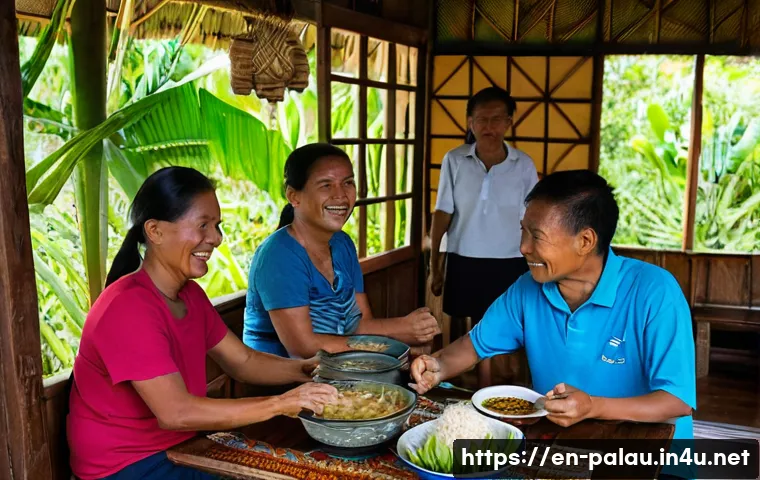
These aren’t just cheaper; they offer an incredibly authentic Palauan experience you just won’t get at a fancy resort. I remember staying at a cozy guesthouse in Koror where the host family shared homemade fish stew with me and gave me invaluable local tips on where to snorkel for free – things that never made it into the guidebooks!
The rooms might be simpler, but they’re always clean, comfortable, and often include shared facilities that foster a wonderful sense of community with fellow travelers.
Plus, many of these places are family-run, meaning your money directly supports the local economy, which feels great. You’ll find yourself chatting with locals, learning about their culture firsthand, and truly immersing yourself in island life.
It’s a completely different vibe, one that I personally cherish far more than any anonymous luxury hotel.
Exploring Airbnb and Vacation Rentals
Another fantastic option that has really opened up affordable travel in places like Palau is Airbnb and other vacation rental platforms. While hotels can be quite pricey, you can often find entire apartments or private rooms in local homes for significantly less.
This is especially brilliant if you’re traveling with a small group or if you plan on staying for an extended period. Having access to a kitchen means you can prepare some of your own meals, which is a massive money-saver.
I’ve found some incredible spots through Airbnb in Koror, giving me a fantastic base to explore from, and usually with a host who is more than happy to give you recommendations.
The feeling of having your own space, even a small one, after a day of diving or exploring is just invaluable. It also allows you to live a little more like a local, shopping at the same markets and getting into the rhythm of island life rather than being confined to a tourist bubble.
Just make sure to read reviews carefully and communicate with your host beforehand to ensure it’s the right fit for your travel style.
The Hidden Gems: Dive Resorts with Budget Options
You might think dive resorts are exclusively for the big spenders, but you’d be surprised! Many dive operators in Palau actually offer more budget-friendly accommodation packages, especially if you’re planning on doing a lot of diving with them.
Sometimes, they’ll have basic rooms or bungalows available at a reduced rate when bundled with dive packages. It’s definitely worth inquiring directly with different dive centers.
I’ve seen deals that include several days of diving and accommodation for a price that rivals just paying for a mid-range hotel. Plus, staying at a dive resort puts you right in the heart of the action with other passionate divers, which is a fantastic way to meet people and find dive buddies.
Even if you’re not a diver, some of these places might have simpler rooms or even hostel-style dorms tucked away that aren’t widely advertised. A personal recommendation is always to call or email them directly; sometimes the best deals aren’t published online.
They’re often happy to create custom packages, especially during the off-season.
| Accommodation Type | Pros for Budget Travelers | Typical Price Range (USD/night) |
|---|---|---|
| Guesthouses/Homestays | Authentic experience, local tips, often includes meals, direct community support. | $40 – $80 |
| Airbnb/Vacation Rentals | Kitchen access, private space, good for groups, local neighborhood immersion. | $60 – $120 |
| Budget Dive Resorts | Bundled deals with diving, communal atmosphere, proximity to dive sites. | $80 – $150 (often includes diving) |
| Economy Hotels | Standard amenities, privacy, sometimes includes breakfast. | $70 – $130 |
Feasting Like a Local: Affordable Eats and Culinary Adventures
Market Delights and Street Food Finds
Oh, the food! This is where you can truly immerse yourself in Palauan culture and save a ton of money while doing it. Forget the overpriced hotel restaurants with their imported ingredients; the real culinary magic happens at the local markets and small street-side eateries.
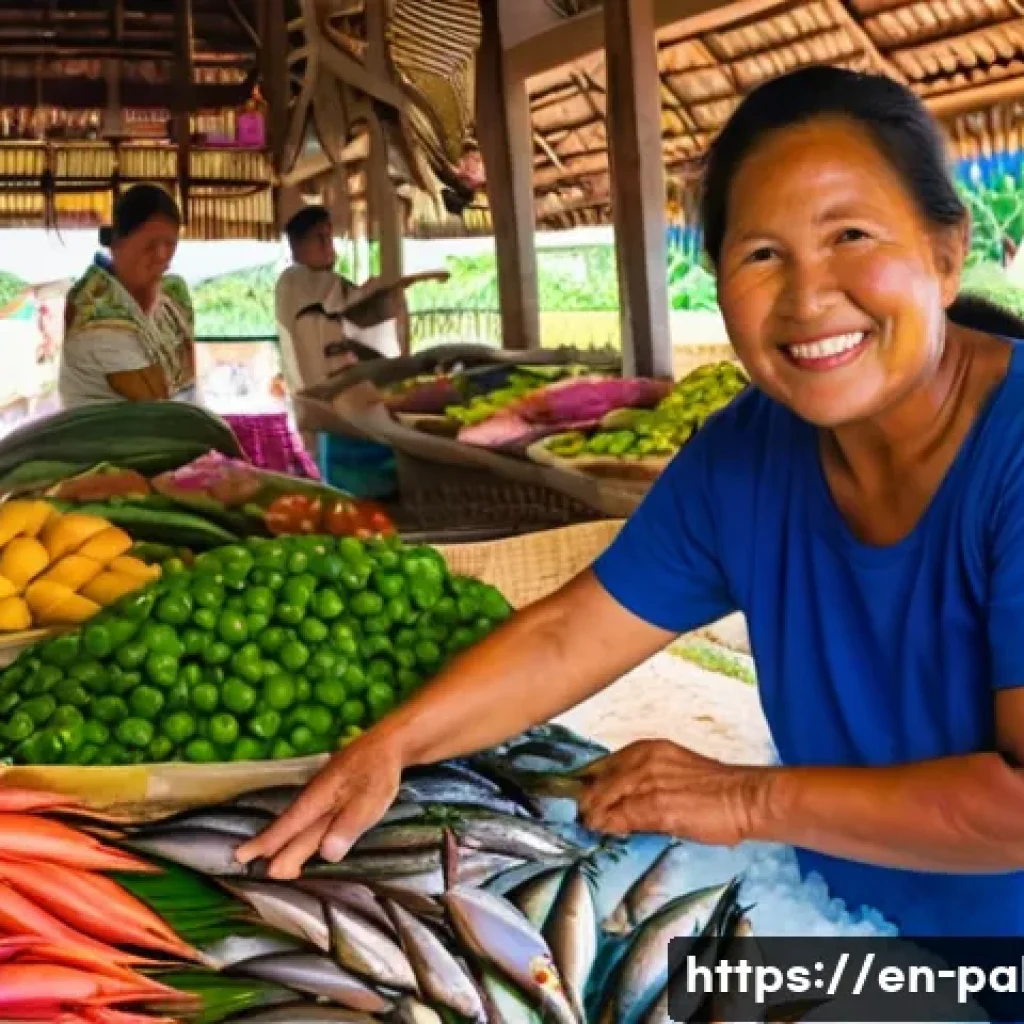
I absolutely love wandering through the Koror market in the mornings, where you can find fresh local fruits, vegetables, and just-caught seafood at incredibly reasonable prices.
Grab some ripe mangoes, a local taro dish, or freshly made bread for a fraction of what you’d pay elsewhere. And don’t even get me started on the street food!
Look for the small, unassuming stalls where locals gather. I once had the most delicious grilled fish with coconut rice from a tiny shack by the road, and it cost me barely a few dollars.
It was an explosion of fresh, authentic flavors, prepared with simple love. This isn’t just about saving money; it’s about experiencing the real taste of Palau, the kind that locals enjoy every day.
Self-Catering Sensibility: Cooking Up Savings
As much as I adore trying local eateries, sometimes my wallet screams for a home-cooked meal, especially on longer trips. This is where choosing accommodation with kitchen access becomes a game-changer.
Imagine heading to the local fish market, picking out the freshest catch of the day – tuna, mahi-mahi, or snapper – and then whipping up your own delicious dinner back at your guesthouse or Airbnb.
It’s not only incredibly satisfying but also incredibly economical. The supermarkets in Koror, while not huge, stock a decent range of staples, and you can always find fresh produce.
I often plan simple meals: a quick pasta with fresh vegetables, a fish curry, or even just some grilled fish with rice and salad. It allows you to control your ingredients, catering to any dietary needs, and it gives you a sense of routine that can be comforting when you’re far from home.
Plus, a shared cooking experience with fellow travelers can be a fantastic way to bond and share stories.
Embracing Local Restaurants: Authentic Flavors for Less
Beyond the markets and street food, there are plenty of small, local restaurants that offer incredible value without skimping on flavor. These are usually the places filled with Palauan families, not just tourists.
Look for eateries slightly off the main drag or ask your guesthouse host for their personal recommendations – they always know the best spots! I’ve found that even a humble plate of local comfort food, like a hearty noodle soup or a plate lunch with rice, meat, and vegetables, can be incredibly filling and flavorful for around $5-$10.
These places might not have fancy decor or English menus, but the food speaks for itself. Don’t be afraid to point to what others are eating or use a translation app.
The culinary journey in Palau doesn’t have to be an expensive one; it can be an adventure in itself, full of new tastes and genuine experiences that truly connect you with the heart of the island.
Unveiling Palau’s Wonders: Budget-Friendly Activities
Snorkeling and Beach Hopping: Free and Fabulous
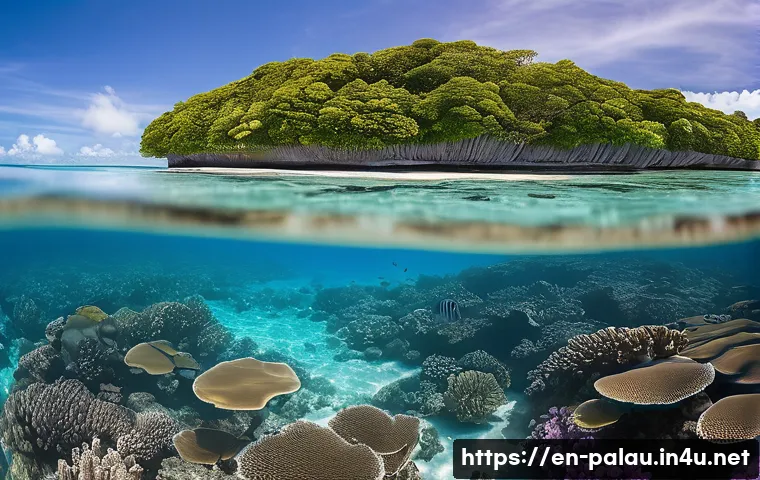
Okay, let’s be real – the main draw of Palau for many of us is its absolutely breathtaking marine environment. And here’s the best news for budget travelers: some of the most incredible experiences are completely free!
Grab your snorkel mask (or rent one cheaply for your trip), a towel, and hit the public beaches. Places like Long Beach (which only appears at low tide!) offer pristine waters and vibrant coral gardens just steps from the shore.
I’ve spent entire afternoons just floating, mesmerized by the colorful fish darting around. It’s a truly humbling experience to be surrounded by so much natural beauty without spending a single dollar on entry fees.
Plus, beach hopping is a fantastic way to explore different parts of the islands and discover your own secret coves. Just remember to be respectful of the local environment and take all your trash with you.
The pure joy of discovering a secluded patch of sand or a vibrant coral bommie on your own terms is an unparalleled feeling.
Hiking and Land Explorations: Nature’s Free Gym
While Palau is famous for its underwater world, don’t overlook the stunning beauty waiting for you on land! There are numerous hiking trails and natural areas that offer incredible views and a chance to immerse yourself in the lush jungle, all without costing you a dime.
Explore the ancient stone monoliths, discover hidden waterfalls, or simply wander through the verdant landscape, breathing in the fresh, tropical air.
I once stumbled upon a trail that led to an amazing panoramic viewpoint overlooking the Rock Islands – it was a challenging hike, but the reward was absolutely priceless.
Just make sure to wear sturdy shoes, bring plenty of water, and ideally go with a local guide or someone who knows the area, especially for less-traveled paths.
The sheer joy of connecting with nature, of feeling the earth beneath your feet and discovering a pristine corner of the world, is an experience that money simply can’t buy.
Group Tours vs. DIY Adventures: Weighing Your Options
For some of Palau’s most iconic attractions, like Jellyfish Lake (which is thankfully rebounding!) or the Blue Corner dive site, a guided tour is usually necessary.
However, even here, there are ways to save. Instead of booking a private tour, opt for larger group tours. The per-person cost drops significantly when you’re sharing a boat and guide with more people.
I’ve found that while private tours offer more flexibility, the group tours still hit all the highlights and you often meet some amazing fellow travelers along the way.
Another trick I’ve used is to inquire about tours that combine multiple activities – sometimes a full-day tour that includes snorkeling, a visit to a historical site, and lunch can be better value than booking each component separately.
For less iconic spots, if you’re confident navigating, you might be able to arrange transportation with a local boatman directly, which can sometimes be cheaper than a formal tour operator.
It’s all about doing your research and asking around!
Navigating the Islands: Transportation on a Dime
Walking and Cycling: The Eco-Friendly, Wallet-Friendly Choice
When you’re trying to stick to a budget in a place as naturally beautiful as Palau, sometimes the best way to get around is also the simplest and cheapest: your own two feet!
Especially in Koror, the main commercial center, many points of interest, restaurants, and shops are within walking distance. It’s a fantastic way to truly get a feel for the local rhythm, discover hidden gems, and get some exercise at the same time.
I’ve spent countless hours just strolling around, soaking in the sights and sounds of the town, finding little cafes and artisan shops I would have missed from a car.
For slightly longer distances, or if you’re feeling a bit more adventurous, consider renting a bicycle. Many guesthouses or small shops offer bike rentals for a very reasonable daily rate.
It’s an eco-friendly way to explore the quieter parts of the island, and you get to experience the fresh air and stunning scenery up close. Just be mindful of the heat and traffic on busier roads, and always stay hydrated!
The Palauan Taxi Scene: Haggling and Shared Rides
While Palau doesn’t have an extensive public transportation system, taxis are readily available, particularly in Koror. Now, here’s a crucial tip: don’t always accept the first price you’re quoted.
While outright haggling might not be as common as in some other countries, it’s certainly acceptable to politely ask if there’s a better rate, especially for longer journeys or if you’re taking a taxi multiple times.
Always try to agree on the fare before you start your ride to avoid any surprises. A trick I’ve found helpful is asking locals for an estimate of the typical fare to your destination – this gives you a good baseline.
If you’re traveling solo, consider asking your guesthouse or restaurant if they know of other travelers heading in the same direction. Shared rides can significantly cut down the cost, and it’s a nice way to meet new people.
I’ve even had taxi drivers offer to wait for me while I explored a spot for a small extra fee, which ended up being cheaper than two separate rides.
Renting a Car or Scooter: When it Makes Sense
For those who crave independence and want to explore the more remote corners of Babeldaob (the largest island), renting a car or scooter can be a surprisingly cost-effective option, especially if you’re traveling with a group.
Split among a few people, the daily rental cost can easily be less than taking multiple taxis. I’ve personally rented a small car and absolutely loved the freedom it gave me to drive across the Japan-Palau Friendship Bridge, explore the beautiful capitol building in Ngerulmud, and find some secluded swimming spots that are harder to reach otherwise.
Just remember that roads outside of Koror can sometimes be a bit rough, so a 4×4 might be a good idea if you plan on serious off-roading. Scooters are an even cheaper option for solo travelers or couples and are fantastic for navigating shorter distances and enjoying the open air.
Always ensure you have the appropriate international driving permits and that your rental includes insurance. The ability to stop wherever you please for a photo or a quick dip in the ocean truly enhances the Palauan adventure.
Packing Smart: Essentials for an Economical Escape
Reusable Gear: Ditching Disposables
Listen up, fellow eco-conscious travelers! One of the easiest ways to save money and be kinder to Palau’s pristine environment is by packing smart with reusable items.
Forget buying bottled water every day – that adds up fast, both in cost and plastic waste. Instead, bring a sturdy reusable water bottle and fill it up from purified sources at your accommodation or various establishments.
I always pack a small, washable tote bag for groceries or market finds, avoiding the need for plastic bags. Reusable containers for snacks can also save you from buying overpriced packaged goods.
Think about reef-safe sunscreen in a larger, economy size rather than travel minis that run out quickly. These small shifts in your packing habits not only lighten your environmental footprint but also prevent those tiny, often unnoticed expenses from chipping away at your budget.
It’s a win-win situation that I’ve personally adopted for all my travels, and it makes a real difference.
Essential Toiletries and First-Aid: Avoiding Tourist Traps
You know that feeling when you arrive at your destination and realize you forgot your toothbrush, or worse, your prescribed medication? Then you’re forced to buy overpriced versions at a convenience store catering to tourists.
Yeah, I’ve been there! To avoid this, make a detailed packing list for all your personal care items well in advance. Bring travel-sized (or better yet, refillable) containers of your preferred shampoo, conditioner, soap, and toothpaste.
Don’t forget bug spray, especially in a tropical environment like Palau where mosquitoes can be a nuisance. And a small, comprehensive first-aid kit is an absolute must.
Think bandages, antiseptic wipes, pain relievers, and any personal medications. Having these essentials on hand prevents those emergency purchases that always seem to cost double when you’re abroad.
It gives you peace of mind and keeps your budget intact, allowing you to focus on enjoying the stunning surroundings rather than scrambling for a drugstore.
The Right Attire for Adventure and Comfort
Palau is all about comfort and being prepared for both land and water adventures. You don’t need a fancy wardrobe here; practical, lightweight, and quick-drying clothing is key.
Pack a good mix of swimwear, t-shirts, shorts, and perhaps a light pair of long pants and a long-sleeved shirt for sun protection or cooler evenings. A rash guard is invaluable for snorkeling and diving, protecting you from both the sun and any potential reef scrapes.
Sturdy water shoes or sandals are essential for exploring rocky beaches or walking on boat decks. I always include a wide-brimmed hat and sunglasses to protect myself from the intense tropical sun.
The beauty of this kind of minimalist packing is that you’ll have less laundry to do (saving on those incidental costs) and a lighter bag, which can save you money on airline baggage fees.
It’s all about being prepared for anything Mother Nature throws your way while staying comfortable and looking effortlessly ready for adventure.
Maximizing Your Dollars: Local Currency and Saving Tips
Understanding the US Dollar in Palau
One of the absolute easiest things about traveling to Palau from the US is that they use the US dollar as their official currency! This means no confusing exchange rates to calculate in your head every time you buy something, and no need to exchange money beforehand, which often incurs fees.
It’s a huge relief and instantly simplifies the financial aspect of your trip. However, while the currency is familiar, understanding how prices might compare to back home is still important.
Sometimes, due to import costs, certain goods might be a little pricier than you’d expect, especially imported processed foods. On the other hand, fresh local produce and some services can be incredibly affordable.
I’ve found it helpful to keep a mental note of how much things *should* cost to avoid overspending, but generally, having the same currency makes day-to-day transactions wonderfully smooth.
ATM Fees and Credit Card Savvy
Even though it’s the US dollar, you still need to be smart about how you access your cash. ATM fees can quickly add up if you make multiple small withdrawals.
My personal strategy is to take out a larger sum of cash at the beginning of my trip from an ATM associated with a major bank (like Bank of Hawaii) in Koror, or one that has lower fees, to cover smaller expenses, market purchases, and tips.
Always check with your bank about their international ATM fees and any foreign transaction fees on your credit cards before you leave. Some credit cards offer no foreign transaction fees, which can save you a significant amount over a week or two.
While many larger establishments accept credit cards, smaller local shops, street vendors, and some guesthouses might be cash-only, so having a good stash of small denominations is always a good idea.
I’ve learned the hard way that relying solely on plastic can leave you stranded in some really cool local spots!
Haggling with a Smile: When and How
The idea of haggling can sometimes feel awkward, but in many parts of the world, including aspects of Palau, it’s a perfectly normal part of commerce, especially in markets or when dealing with independent service providers.
While you won’t be haggling over a meal in a fixed-price restaurant, if you’re buying souvenirs from a local vendor, arranging a boat trip with a private operator, or negotiating a taxi fare for a longer journey, there’s often a little wiggle room.
The key is to do it respectfully and with a friendly smile. Never be aggressive or demanding. Start with a polite inquiry about the “best price” or suggest a slightly lower figure, and see how they respond.
Sometimes, simply buying multiple items from the same vendor can lead to a natural discount. I’ve found that even if you only save a dollar or two, the interaction itself can be a memorable cultural exchange.
It’s not just about the money saved; it’s about engaging in the local way of doing business and building a friendly rapport.
Beyond the Tourist Trail: Authentic Experiences on a Budget
Engaging with Local Communities
One of the most enriching and often budget-friendly ways to experience Palau is by truly engaging with its vibrant local communities. Stepping off the typical tourist path can lead to incredible, authentic encounters that cost little to nothing.
Instead of just observing, try to participate. Attend a local church service, even if you’re not religious – the singing and community spirit are often beautiful to witness.
Strike up conversations with locals in markets or small eateries. I’ve found that Palauan people are generally warm and welcoming, and many are happy to share insights into their culture.
Learning a few basic phrases in Palauan (like “Alii” for hello) can go a long way in breaking the ice and showing respect. These genuine interactions provide a much deeper understanding of the destination than simply ticking off tourist attractions.
They create memories that are far more valuable than any souvenir you could buy, and they often lead to discovering hidden local spots that aren’t in any guidebook.
Cultural Events and Festivals
Timing your visit with a local festival or cultural event can transform your trip into an even more unforgettable experience, and often these events are free or have a very minimal entrance fee.
Palau has several national holidays and traditional celebrations throughout the year that showcase their rich heritage through dance, music, traditional games, and food.
Before you finalize your travel dates, do a quick search online for any upcoming events or ask your guesthouse host. I was lucky enough to be in Palau during a local fishing festival once, and it was an incredible display of community spirit, traditional knowledge, and delicious fresh seafood.
You get to witness Palauans celebrating their own culture, which is a rare and precious opportunity. These aren’t staged for tourists; they’re genuine expressions of Palauan identity, and being a respectful observer (or even participant, if invited!) is a truly special way to connect with the island’s soul without impacting your travel budget significantly.
Responsible Tourism: Giving Back on a Budget
Traveling affordably doesn’t mean you can’t be a responsible and impactful visitor. In fact, many responsible tourism practices align perfectly with budget travel.
For example, choosing locally owned guesthouses and eating at local restaurants ensures your money directly supports the Palauan economy. Reducing your waste by using reusable water bottles and avoiding single-use plastics helps protect Palau’s pristine environment, saving you money on buying bottled goods.
Engaging respectfully with local communities, learning about their customs, and being mindful of their traditions contributes positively without costing you anything.
You could also look for local initiatives or environmental clean-ups that welcome volunteers – even a few hours of your time can make a difference. I’ve always felt that leaving a place better than I found it is a priority, and often, small actions like picking up stray litter or supporting a local artisan directly are incredibly impactful ways to give back without opening your wallet wide.
It’s about consciously choosing to travel in a way that respects and benefits the place you’re visiting.
Wrapping Up Our Palau Adventure
And there you have it, fellow adventurers! My journey through Palau on a budget has been nothing short of eye-opening, proving that this slice of paradise isn’t reserved only for those with bottomless pockets. It’s truly a place where every dollar saved opens up another incredible experience, whether it’s an extra day diving into the vibrant coral reefs or savoring another delicious, locally-prepared meal. What I’ve learned, time and again, is that travel isn’t about how much you spend, but about the depth of your experiences and the genuine connections you make along the way. Palau, with its welcoming spirit and unparalleled natural beauty, truly embodies this philosophy. Don’t let the idea of a remote, pristine destination intimidate you; with a bit of planning and an adventurous spirit, you can absolutely make your dream trip to Palau a reality without emptying your savings account. It’s about being smart, being flexible, and embracing the local charm that truly makes this destination shine.
Palau Pro-Tips You Can’t Miss
Here are some of my top nuggets of wisdom, distilled from my own escapades, to help you navigate Palau like a seasoned budget traveler:
1. Be a Flight Hacker: Always, and I mean always, check flight prices for shoulder seasons (April-May, September-October). I’ve found that being flexible by even a day or two can unlock significantly cheaper fares. Don’t be afraid of layovers; they can often be your best friend for saving hundreds and even offer a bonus mini-adventure in a transit city!
2. Live Like a Local: Ditch the high-end resorts for charming guesthouses, homestays, or Airbnbs with kitchen access. Not only will you save a bundle, but you’ll gain invaluable local insights, connect with Palauan families, and have the freedom to cook some of your own meals using fresh market produce. It’s a completely different, and in my opinion, far richer experience.
3. Embrace Nature’s Freebies: Palau’s most spectacular attractions, like its stunning beaches and vibrant snorkeling spots, often come with no price tag at all. Pack your own snorkel gear, explore the numerous hiking trails, and soak in the breathtaking landscapes. Save your tour budget for those truly essential, once-in-a-lifetime experiences like Jellyfish Lake or specific dive sites, and always opt for group tours to split costs.
4. Cash is King for Local Finds: While the US Dollar is Palau’s currency, small local vendors, markets, and some guesthouses often prefer cash. Plan to withdraw a larger sum from an ATM early in your trip to minimize fees, and carry small denominations for ease of transactions. This will make your street food adventures and souvenir hunting much smoother.
5. Connect and Ask: Don’t underestimate the power of simply chatting with locals or your guesthouse hosts. They are a treasure trove of information, from the best hidden eateries to budget-friendly transportation tips. Learning a few basic Palauan phrases will go a long way in forging these connections and opening doors to authentic, unforgettable experiences that guidebooks can’t offer.
Key Takeaways for Your Budget Trip
To truly crack the code for an affordable Palau adventure, remember that flexibility and an open mind are your greatest assets. Prioritize experiences over luxury, knowing that many of Palau’s most incredible offerings are found in its natural beauty and vibrant local culture, rather than in opulent resorts. Smart planning around flights, particularly during off-peak times and with strategic layovers, can dramatically cut down your initial costs. Opting for locally-owned accommodations and embracing the culinary delights of markets and small eateries will keep your daily expenses in check while providing a more authentic taste of island life. Don’t forget that reusable items, a well-stocked first-aid kit, and understanding local transportation nuances will prevent those pesky, unexpected costs from accumulating. Ultimately, a budget trip to Palau isn’t about deprivation; it’s about conscious choices that lead to richer, more genuine, and sustainable travel, allowing you to immerse yourself fully in this magnificent destination without the financial strain.
Frequently Asked Questions (FAQ) 📖
Q: Can you truly experience the magic of Palau without a luxury budget, or is it just a pipe dream for us regular folks?
A: Oh, I totally get why you’d ask that! For the longest time, I thought Palau was exclusively for those high-end, resort-hopping travelers. My wallet practically screamed just thinking about it!
But let me tell you, from my own adventures, that’s just not the whole picture anymore. Palau absolutely can be done on a budget, and you don’t have to sacrifice those incredible, once-in-a-lifetime moments.
It’s all about smart planning and knowing a few insider tricks. You see, the perception is shifting. More and more local guesthouses and smaller, family-run operations are opening up, offering incredibly authentic experiences at a fraction of the cost of those big-name hotels.
The key is to be flexible, do your homework, and embrace the local way of life. I’ve found that some of the most memorable moments come from just exploring local markets or finding a quiet snorkeling spot off a public beach, rather than splurging on an exclusive tour.
It truly feels like Palau is opening its arms to more types of travelers now, and honestly, that makes the experience even richer.
Q: My flight and accommodation usually eat up most of my travel funds. What are your absolute best secrets for cutting down these big expenses for a Palauan adventure?
A: This is where the real game-changer tips come in! Flights to Palau can indeed be a bit steep, especially if you’re looking for direct routes. My top trick is to be strategic with layovers.
Instead of flying direct from a major hub, consider routes through places like Guam, Taipei, or Manila. Sometimes, splitting your journey can save you a bundle, and hey, you might even get a bonus mini-adventure in a new city!
I always use flight comparison sites but then cross-check directly with airline websites – sometimes they have deals that don’t show up elsewhere. As for accommodation, this is where you can make huge savings.
Forget the big resorts if you’re on a budget! I’ve personally had incredible stays in locally owned guesthouses and boutique hotels in Koror. They offer such a warm, personal touch, often including breakfast, and they’re usually happy to share local insights.
Airbnb and similar platforms are also great for finding rooms or even entire apartments, giving you the flexibility to cook some of your own meals, which is another fantastic money-saver.
Don’t be afraid to look slightly outside the main tourist areas either; a short walk or taxi ride can lead to much more affordable gems.
Q: Okay, so I’m there, I’ve got my affordable flight and place to crash. What are some amazing, authentic Palauan experiences I can have that won’t totally drain my wallet on tours?
A: Fantastic question! This is where you really get to dive into the heart of Palau, beyond the glossy brochures. While the big boat tours are amazing, you absolutely don’t need them for every single unforgettable moment.
My absolute favorite budget-friendly activity is simply snorkeling from the shore. Many public beaches and quiet coves around Koror and Babeldaob offer incredible reef access right off the sand.
Just grab your mask and snorkel – which you can often rent cheaply from local shops or your guesthouse – and explore! I spent an entire afternoon once just drifting in a calm bay, surrounded by vibrant fish, and it cost me nothing but sunscreen.
Another must-do is visiting the local markets. It’s a feast for the senses, you can pick up fresh, delicious, and incredibly cheap produce, local snacks, and even unique handmade souvenirs.
Plus, it’s a brilliant way to interact with the Palauan people and soak up the culture. And honestly, just exploring Koror on foot, grabbing some street food – the fish burgers are amazing and super affordable – and just chatting with locals, that’s an experience in itself.
Renting a cheap scooter for a day to explore Babeldaob’s stunning waterfalls and historical sites is also a great, independent way to see the island without a pricey guided tour.
Trust me, the real Palau often reveals itself in these simpler, more authentic moments.