Hey there, fellow adventurers and culture enthusiasts! If you’re anything like me, you’re always on the hunt for those truly authentic travel experiences that go beyond the usual tourist traps.
We’re talking about places where history whispers through ancient traditions and every interaction feels like a genuine connection, not just a fleeting photo opportunity.
It’s about diving deep, understanding a way of life that has thrived for centuries, and perhaps even glimpsing how these vibrant cultures are navigating our rapidly changing world.
I’ve personally found that these deep dives are not just vacations; they’re transformative journeys that truly broaden your perspective and touch your soul.
Now, imagine an island nation where the ocean isn’t just a backdrop, but the very essence of life, shaping an incredibly resilient and fascinating indigenous culture.
Palau, a shimmering jewel in the Pacific, offers just that. From their intricate navigation techniques passed down through generations to their deep respect for marine life and their strong matrilineal society, the Palauan people embody a heritage that’s both ancient and vibrantly alive today.
I recently spent some time immersing myself in their world, and let me tell you, it was an eye-opener. It’s a place where tradition isn’t just remembered; it’s *lived* every single day, facing modern challenges like climate change with an inspiring blend of wisdom and adaptability, even pioneering initiatives like the Palau Pledge to protect their precious environment.
What secrets do these ancient traditions hold, and how are they thriving in the 21st century? Let’s unravel the captivating tapestry of Palauan indigenous culture together right below this!
You’ll be amazed at what we discover.
The Deep Blue: Navigating Ancient Seas and Modern Challenges
Traditional Seafaring Wisdom
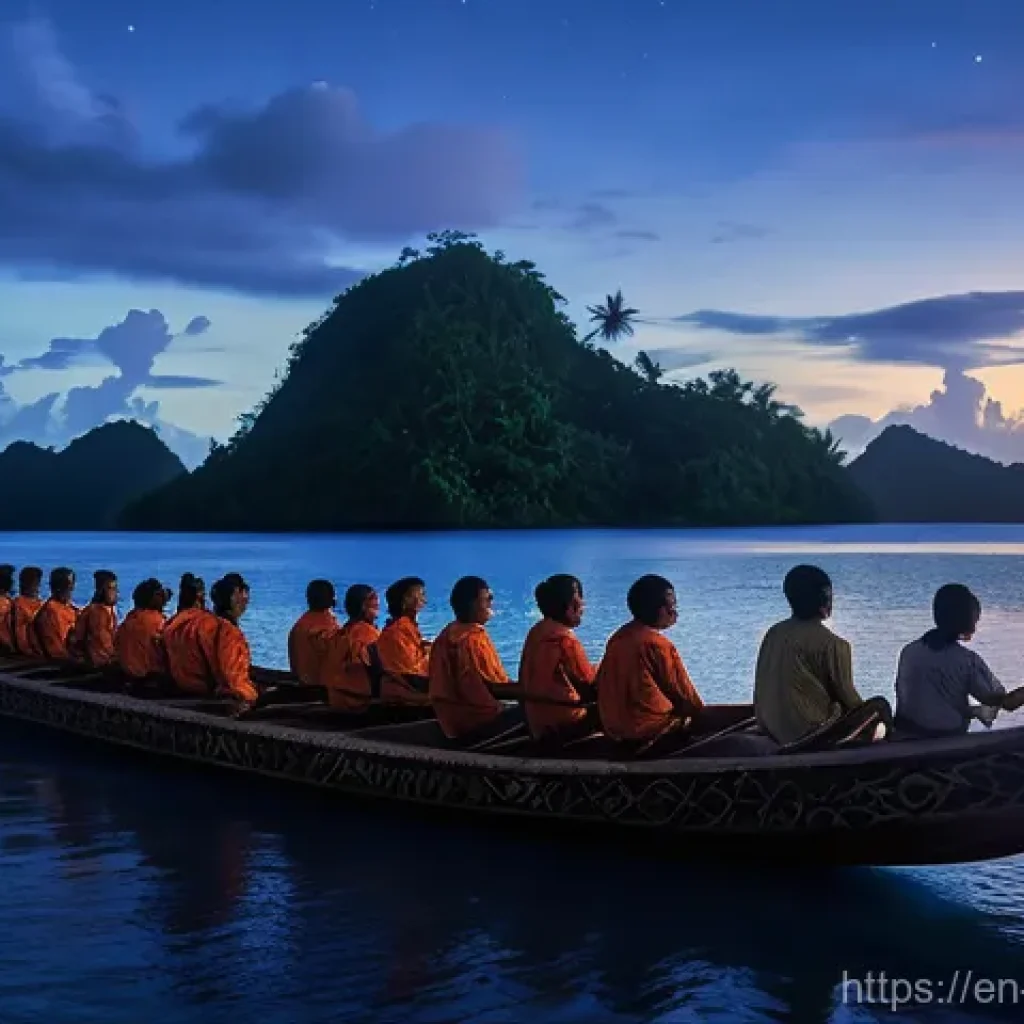
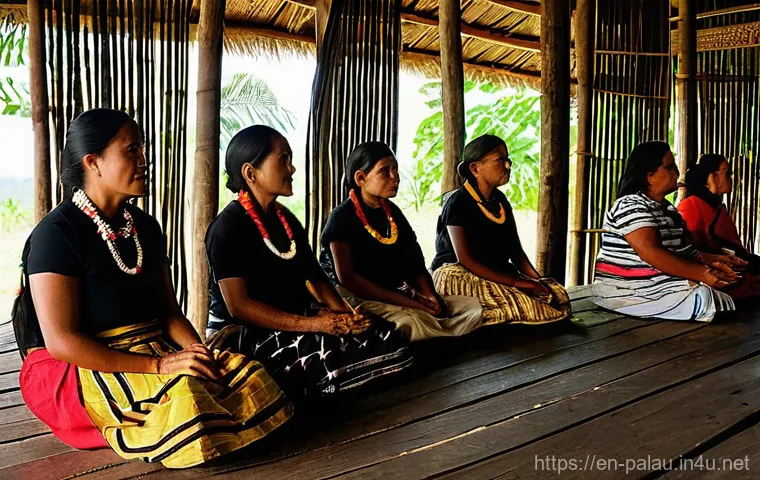
Stepping onto Palauan soil, you immediately feel the profound connection between its people and the ocean. It’s not just a backdrop for their stunning islands; it’s the very artery of their existence, a source of sustenance, spiritual guidance, and a pathway to the wider world. I’ve always been fascinated by traditional navigation, but seeing it alive in Palau was truly something else. The elders I spoke with shared stories of how their ancestors, without a single compass or GPS, could read the swells, the stars, and the flight of birds to traverse vast expanses of the Pacific. It’s an incredible testament to their deep understanding of nature, a kind of intuitive wisdom that we modern folks, glued to our screens, have largely lost. I remember one afternoon, watching a local fisherman effortlessly interpret the subtle changes in the water, a skill honed over decades, passed down through generations. It wasn’t just about getting from point A to point B; it was a spiritual journey, an intimate dance with the sea. This deep respect for the ocean also manifests in their proactive conservation efforts, making them pioneers in marine protection. They understand, perhaps better than anyone, that their survival is inextricably linked to the health of the reefs and the bounty of the waters. It’s a humbling lesson, one that truly reshaped my own views on our environmental responsibilities, highlighting the profound wisdom embedded in living in harmony with our planet. The intricate knowledge of traditional navigation, known as wakal or klesau in some Pacific cultures, isn’t just about sailing; it’s an entire worldview. Palauan navigators were master oceanographers and astronomers, capable of steering canoes across thousands of miles using techniques that would baffle most contemporary sailors. They read cloud formations, the color of the water, the direction of ocean swells reflected off distant islands, and the specific patterns of stars that emerged at different times of the night. It’s a holistic science, deeply embedded in their oral traditions and cultural identity. What struck me most was how this wasn’t taught in a classroom; it was learned through observation, mentorship, and countless hours spent on the water, absorbing the rhythm of the ocean. My conversations with a few older fishermen brought this to life, as they recounted tales of their grandfathers guiding fishing expeditions far out to sea, relying solely on these ancient skills. It made me think about the kind of ‘smart’ we value today versus the kind of profound intelligence that has sustained these cultures for millennia. It’s a beautiful, living heritage that they are working tirelessly to preserve, recognizing its immense value not just for historical pride, but for practical wisdom in an ever-changing world.
Modern Resilience in the Face of Climate Change
While the traditions of seafaring and ocean knowledge are ancient, the Palauan people are by no means stuck in the past. In fact, they are at the forefront of grappling with one of humanity’s most pressing modern challenges: climate change. Being a low-lying island nation, Palau experiences the impacts of rising sea levels and increasingly severe weather patterns firsthand. Yet, what I observed wasn’t despair, but an inspiring blend of determination and traditional wisdom. They’re actively engaged in international discussions, advocating passionately for global action, while simultaneously implementing local adaptation strategies. From coral reef restoration projects to sustainable fisheries management, their approach is deeply rooted in their ancestral understanding of ecological balance, but updated with scientific rigor. I heard stories of communities working together to reinforce coastlines using traditional knowledge of natural barriers, blending it with modern engineering techniques. It’s a powerful example of how ancient wisdom isn’t just a relic to be admired, but a living toolkit for survival and innovation in the 21st century. Their proactive stance, exemplified by initiatives like the Palau Pledge, shows a remarkable foresight and a deep, enduring love for their homeland, inspiring anyone who witnesses their unwavering commitment to protecting their precious islands for future generations.
The Matriarchs’ Embrace: Power and Kinship in Palauan Society
Unpacking the Matrilineal System
One of the most fascinating aspects of Palauan culture that absolutely captivated me was its robust matrilineal system. In a world where patriarchal structures often dominate, experiencing a society where women hold significant power and lineage is traced through the mother’s side was incredibly refreshing and deeply insightful. From what I learned, traditional Palauan society is built upon clans, and membership in these clans is passed down from the mother. This means that women traditionally own the land and play pivotal roles in family decisions, the distribution of wealth, and even the selection of male chiefs. It’s not a system where men are powerless; rather, it’s a beautifully balanced structure where men and women have distinct, yet equally vital, responsibilities and authority. I had the privilege of observing a community meeting where the insights and perspectives of the elder women were clearly given immense weight and respect, guiding the discussion with wisdom and a palpable sense of community responsibility. It made me reflect on how different our own societies might look if we embraced such a fundamental recognition of female leadership and the inherent value of maternal lineage. This structure isn’t just about heritage; it’s about the very fabric of social order and cohesion, providing stability and a strong sense of identity for every Palauan.
Women as Pillars of Community
Beyond the formal structures, Palauan women are truly the dynamic heart of their communities. They are the keepers of traditions, the educators of the young, and often the primary economic engines within households. My conversations with local women, from market vendors to cultural leaders, revealed a fierce pride and resilience. They manage family finances, run small businesses, and organize community events, all while nurturing their families. It’s a demanding role, yet they carry it with grace and incredible strength. I was particularly moved by a discussion with a group of women who were reviving traditional weaving techniques, not just as an art form but as a way to empower other women economically. They were sharing knowledge, building skills, and fostering a sense of solidarity that was truly inspiring. This isn’t just abstract cultural theory; it’s lived reality, where the influence of women shapes daily life and long-term community development. Their ability to adapt, innovate, and lead, while deeply respecting their ancestral roles, offers a powerful lesson in sustainable social structures. It reinforced for me that true strength in a society comes from recognizing and empowering all its members, especially those who often quietly carry the greatest burdens.
Guardians of the Reef: Palau’s Unwavering Commitment to the Ocean
The Palau Pledge: A Global Example
If there’s one thing that truly sets Palau apart, it’s their pioneering spirit in environmental conservation, especially when it comes to their marine ecosystems. I mean, they literally ask every visitor to sign the Palau Pledge upon arrival! It’s this incredible initiative where you commit to respecting their environment and culture, with penalties for non-compliance. I signed it myself, and it really makes you pause and think about your impact. It’s not just a symbolic gesture; it’s a profound cultural statement that reflects a deeply ingrained respect for nature. The pledge is a tangible manifestation of their traditional laws, or bul, which historically protected resources by temporarily banning fishing or harvesting in certain areas. Seeing this blend of ancient wisdom and modern policy in action was absolutely inspiring. It’s a powerful message to the world: protecting our planet isn’t just an abstract idea; it’s a shared responsibility, and Palau is leading by example. It made me question what more we could all be doing in our own communities to foster such a strong sense of collective environmental stewardship.
Traditional Conservation Practices
Palau’s commitment to conservation isn’t a new phenomenon; it’s deeply rooted in centuries of traditional practices. Before modern environmental science, Palauan communities developed sophisticated methods for managing their natural resources, born out of necessity and a profound understanding of their delicate island ecosystem. They practiced rotational fishing, established sacred areas where resources were protected, and had intricate knowledge of tides, moon cycles, and marine life behavior. I spent an afternoon learning about these practices from a local elder, who described how his ancestors instinctively knew when to allow certain fish populations to recover, ensuring a sustainable food source for generations. This wasn’t driven by external regulations, but by an intrinsic cultural value system that recognized the interconnectedness of all life and the long-term well-being of the community. They understood that depletion of resources today meant hardship tomorrow. It’s a timeless lesson that resonates so strongly today, proving that indigenous knowledge holds vital keys to solving some of our most pressing global environmental challenges.
Voices of the Ancestors: Art, Storytelling, and Language
Decoding the Bai: Art as Narrative
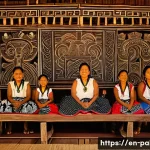
The traditional meeting houses, or bai, are perhaps the most iconic architectural and artistic expressions of Palauan culture. And let me tell you, stepping inside one is like walking into a living history book. Every single beam, every painted panel, tells a story, depicting myths, legends, and historical events that are central to Palauan identity. These aren’t just pretty pictures; they are complex narratives that convey moral lessons, historical accounts, and social customs, acting as a visual archive of their heritage. I spent a good hour just trying to decipher the intricate carvings and vibrant paintings, guided by a local who patiently explained the symbolism behind each figure and scene. It’s a truly immersive experience that goes beyond mere aesthetics; it’s an educational journey into the very soul of the Palauan people. The sheer detail and storytelling prowess embedded in these structures left me absolutely awestruck, realizing how art in traditional societies served as the primary medium for passing down knowledge and values across generations, much like our written history books do today, but with so much more heart and artistic flair.
The Resonance of Palauan Language
In a rapidly globalizing world, the preservation of indigenous languages is a critical battle, and Palauans are fiercely proud and protective of their native tongue, Palauan. It’s a language rich with nuance and intimately connected to their land, sea, and cultural practices. Speaking with locals, I quickly picked up a few basic phrases, and the effort was always met with warm smiles and genuine appreciation. There’s something incredibly special about hearing children speak their ancestral language fluently, especially when you know how many indigenous languages around the world are fading away. I learned that the Palauan language isn’t just a means of communication; it encapsulates their unique worldview, their humor, their poetry, and their deep connection to their heritage. Efforts are continuously made to ensure its vitality, from integrating it into education to using it in media, ensuring that the voices of their ancestors continue to resonate through future generations. It’s a testament to their unwavering commitment to cultural continuity, and for me, it was a beautiful reminder of the power and importance of linguistic diversity in our world.
Feasts and Festivities: The Heartbeat of Palauan Community
Sharing the Bounty: Food and Hospitality
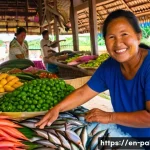
If there’s one universal language that transcends all cultural barriers, it’s food, and Palauan hospitality certainly speaks volumes! From the moment I arrived, I was welcomed with an incredible warmth that made me feel like part of the family. The food, of course, plays a huge role in this. Palauan cuisine is a delicious reflection of their island environment, featuring an abundance of fresh seafood, taro, tapioca, and coconut. I’ve had some truly memorable meals there, often enjoyed communally, where sharing food is not just about eating, but about strengthening bonds and celebrating togetherness. I particularly loved trying ulukau (coconut candy) and fresh fish prepared in a myriad of ways, each dish telling a story of the island’s bounty. It’s not just the flavors, though; it’s the entire experience of sitting down with a local family, sharing laughter, and hearing their stories over a meal that truly enriched my trip. This spirit of generosity and communal eating is deeply embedded in their cultural values, making every shared meal an experience of connection and profound human warmth. It’s a beautiful way of demonstrating their core values through daily life.
Rites of Passage and Celebrations
Palauan society, like many indigenous cultures, marks significant life stages with elaborate ceremonies and celebrations that are rich in symbolism and tradition. These rites of passage, from birth to marriage and even traditional mourning rituals, serve to reinforce community bonds, transmit cultural values, and acknowledge individual growth within the collective. I didn’t get to witness a full traditional wedding, but I learned about the complex gift exchanges and ceremonial feasts that solidify alliances between families. What I found particularly fascinating was the “First Child Ceremony” or Ngasech, which celebrates a new mother and her child. It’s a powerful event that involves traditional remedies, blessings, and a huge community feast, underscoring the vital role of women in perpetuating the clan and the importance of new life. These celebrations aren’t just ancient relics; they are vibrant, living traditions that continue to bring communities together, ensuring that cultural heritage is not just remembered but actively lived and cherished. They provide a powerful anchor in a fast-changing world, connecting people to their roots and to each other in truly meaningful ways.
| Aspect of Culture | Traditional Significance | Modern Adaptation/Relevance |
|---|---|---|
| Navigation Skills | Essential for inter-island travel, trade, and resource gathering; deeply spiritual. | Valued cultural heritage; informs marine conservation; some revived traditional voyaging. |
| Matrilineal System | Women hold significant land ownership and influence; lineage traced through mother. | Continues to empower women in community leadership and family decision-making. |
| Environmental Ethics | Deep respect for nature (land/sea); sustainable resource management via bul (taboos). | Leading global environmental protection (e.g., Palau Pledge, shark sanctuary). |
| Traditional Arts (Bai) | Meeting houses (bai) as visual archives; convey myths, history, and moral lessons. | Preserved as cultural treasures; art forms continue to be taught and celebrated. |
| Language (Palauan) | Embodies unique worldview, history, and identity; oral traditions. | Actively preserved through education, media, and daily use to ensure continuity. |
Bridging Worlds: Tradition Meets Modernity
Navigating Economic Shifts
Palau’s economic landscape is a fascinating blend of traditional subsistence practices and a growing modern economy, largely driven by tourism. On one hand, many families still rely on fishing and farming for their daily sustenance, keeping those vital connections to the land and sea alive. On the other, the influx of visitors, like me, has opened up new opportunities, creating jobs in hotels, restaurants, and tour operations. What I noticed, and truly admired, was the conscious effort to manage this growth in a way that benefits the local community and protects their pristine environment. It’s not just about maximizing profit; there’s a clear understanding that their culture and natural beauty are their greatest assets, and they must be carefully safeguarded. I talked to a young Palauan entrepreneur who was combining traditional fishing techniques with modern sustainable tourism practices, offering visitors an authentic experience while ensuring the marine ecosystem remained healthy. This thoughtful approach to economic development, one that prioritizes long-term well-being over short-term gains, is another area where Palau offers valuable lessons for the rest of the world. It’s a delicate balance, but they seem to be finding a way to walk that line with grace and purpose, which is truly remarkable to witness.
Preserving Identity in a Globalized Era
In an increasingly globalized world, maintaining a distinct cultural identity can be a significant challenge for smaller nations. Yet, Palau is doing just that, with an inspiring blend of fierce pride and strategic adaptability. They are not isolated from global influences; in fact, they embrace many aspects of modern life. However, they do so while holding firm to their core values and traditions. I saw this in various ways: from traditional ceremonies performed with contemporary flair to young people learning ancient dances while also mastering social media. There’s a palpable sense of determination to ensure that while they evolve, they don’t lose sight of who they are. Educational initiatives play a crucial role, instilling a deep appreciation for Palauan history, language, and customs from a young age. My interactions with Palauan youth revealed a strong sense of cultural ownership – they want to innovate, but they also want to honor their roots. It’s a powerful message that cultural preservation isn’t about resisting change, but about guiding it, ensuring that the unique spirit of Palau continues to shine brightly for generations to come, a testament to their unwavering spirit and deep connection to their heritage.
글을 마치며
Whew, what a journey! From the serene waters to the vibrant culture, Palau has truly left an indelible mark on my heart. It’s more than just a beautiful destination; it’s a living testament to resilience, wisdom, and an unwavering respect for our planet. Every conversation, every shared meal, and every breathtaking view deepened my appreciation for this incredible island nation. I came seeking adventure and left with a profound sense of connection, feeling inspired by their deep-rooted traditions and forward-thinking environmental stewardship. Trust me when I say, a trip to Palau isn’t just a vacation; it’s an education for the soul.
알아두면 쓸모 있는 정보
1. Palau Pledge is Real: When you land, you’ll sign the Palau Pledge. It’s not just a formality; it’s a serious commitment to respect their environment and culture, with genuine penalties for non-compliance. Take it to heart, as it really shapes how you interact with the islands. I personally found it a fantastic conversation starter and a constant reminder to be a conscious traveler, reflecting their pioneering efforts in safeguarding their future for generations to come.
2. Cash is King (Sometimes): While credit cards are accepted in many larger establishments, especially in Koror, it’s always a good idea to carry some U.S. dollars (their official currency) for smaller vendors, local markets, and emergencies. ATMs are available, but having cash on hand definitely makes things smoother, particularly if you venture off the beaten path to explore some of the more remote, yet equally stunning, islands or villages.
3. Respect Local Customs: Palauan culture is rich and deeply traditional. When visiting villages or cultural sites, it’s appropriate to dress modestly, especially for women, meaning covering shoulders and knees. Always ask for permission before taking photos of people, and generally be mindful of local etiquette. A little respect goes a very long way in forging genuine connections with the incredibly friendly and welcoming locals.
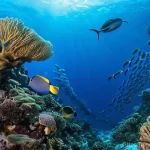
4. Marine Life is Sacred: Palau is renowned as a diver’s and snorkeler’s paradise, but remember, every part of the marine ecosystem is deeply protected. It’s crucial not to touch or disturb coral, fish, or any other sea creatures, and always use reef-safe sunscreen to protect their precious, vibrant reefs from harmful chemicals. This isn’t just a rule; it’s a deeply ingrained cultural value that you’ll quickly understand once you immerse yourself in their breathtaking underwater world.
5. Stay Hydrated and Sun Protected: The tropical sun in Palau can be incredibly intense, even on seemingly cloudy days. Drink plenty of water throughout the day to avoid dehydration and diligently use a high SPF, broad-spectrum sunscreen. A wide-brimmed hat, sunglasses, and lightweight long-sleeved clothing are your best friends. Believe me, I learned this the hard way on my first day out on the water, so come prepared!
중요 사항 정리
Reflecting on my time in Palau, a few core themes truly stand out, shaping my understanding of this extraordinary nation. First, their profound connection to the ocean isn’t just poetic; it’s incredibly practical, deeply driving both their ancient navigation techniques and their cutting-edge conservation efforts. You’ll see it vividly in their expansive marine protected areas and the globally recognized Palau Pledge, which every visitor signs. Second, the strength and balance of their matrilineal society are palpable, empowering women in ways that many global cultures could genuinely learn from, consistently shaping community decisions and preserving an incredible cultural heritage. Lastly, their unwavering commitment to preserving their unique cultural identity—expressed through their vibrant language, the intricate art found in the incredible *bai* stories, and lively community celebrations—while strategically embracing modernity is an inspiring blueprint for sustainable living. It’s a place that teaches you the true meaning of stewardship, the enduring power of community, and the profound beauty of living in harmony with the natural world, lessons I’m more than eager to carry forward in my own life and share with you all.
Frequently Asked Questions (FAQ) 📖
Q: s!Q1: What makes Palauan society so unique, especially regarding the role of women?
A: Oh, this is one of my absolute favorite aspects of Palauan culture! What really blew me away, and I think you’ll find it incredibly empowering too, is their deeply ingrained matrilineal system.
This isn’t just a quaint historical fact; it’s a living, breathing part of their daily lives. In Palau, lineage, inheritance, and even certain traditional titles are passed down through the mother’s side of the family.
I’ve seen firsthand how this translates into women holding significant positions of power and respect within the community. They’re not just figures behind the scenes; they traditionally oversee land, finances, and even play a pivotal role in selecting and removing chiefs!
I mean, how cool is that? It’s a stark contrast to many other cultures globally, and it truly speaks to the inherent strength and wisdom celebrated in Palauan women.
They’re seen as the vanguards of tradition and the stewards of progress, ensuring the community’s well-being and educating the younger generations about their heritage.
It’s a system that’s been resilient through centuries of external influences, which really impressed me.
Q: How do traditional Palauan values and practices contribute to their incredible marine conservation efforts, like the Palau Pledge?
A: This is where ancient wisdom truly shines, and honestly, it’s a lesson the whole world could learn from. Palau’s commitment to marine conservation isn’t some recent government initiative; it’s woven deep into their cultural DNA, passed down for generations.
They have this incredible traditional practice called “bul” (pronounced like “bool”), which is basically a temporary moratorium on fishing in specific reef areas.
Imagine village chiefs, guided by generations of ecological knowledge, deciding to close off certain fishing grounds to let marine life recover and ensure food security for the community.
It’s an intuitive, sustainable approach that existed long before marine biology was a field! I personally believe this deep-seated respect for the ocean – the understanding that they are borrowing the Earth from their children, not inheriting it from their parents – is what naturally led to groundbreaking modern initiatives like the Palau Pledge.
When I signed that pledge upon arrival, it felt like more than just a piece of paper; it was a powerful commitment to respect their environment, a promise written by Palauan children to protect their extraordinary home.
It’s a fantastic example of how blending traditional practices with modern conservation can create something truly impactful, like their world-first shark sanctuary and their ban on reef-toxic sunscreens.
They’re truly a beacon for the rest of us!
Q: What unique ways do Palauans preserve and pass on their traditional knowledge, especially in the face of modern changes?
A: This is a question I think about a lot as we navigate our increasingly digital world. How do you keep ancient wisdom alive when everything is moving so fast?
What I’ve observed in Palau is a beautiful, multi-faceted approach. Oral tradition is absolutely key here. Storytelling isn’t just entertainment; it’s a vital tool for preserving myths, legends, and historical accounts, ensuring Palauan identity and values continue to thrive.
I’ve heard incredible stories of ancestral voyages, highlighting how navigation by stars, waves, and birds wasn’t just practical, but a profound connection to their environment and ancestors.
Traditional arts and crafts, like intricate weavings and storyboards carved from wood, also play a huge role, visually reflecting their history and cultural symbolism.
And let’s not forget their ceremonies and festivals! Events like the annual Olechotel Belau Fair or the twice-monthly Night Markets aren’t just celebrations; they’re vibrant showcases where each state shares its unique qualities through dance, chanting, and traditional dishes.
Plus, institutions like the Palau Women’s Conference actively discuss and implement initiatives to strengthen Palauan culture. It’s this continuous, living engagement with their past through every possible medium – from spoken word to physical art to communal gatherings – that truly keeps their unique heritage not just remembered, but vibrantly lived by the younger generations.
It gives me so much hope that these incredible cultures can truly adapt and flourish.