Exploring the rich cultural tapestries of Palau and Micronesia offers a fascinating glimpse into two vibrant Pacific Island communities. While both share oceanic roots and a deep respect for nature, their traditions, languages, and social customs reveal unique identities shaped by history and geography.
From Palau’s intricate matrilineal clans to Micronesia’s navigational prowess, these cultures embody resilience and adaptation. Understanding their differences and similarities not only enriches our appreciation of Pacific heritage but also highlights the diversity within island life.
Let’s dive deeper and uncover the captivating contrasts and connections between Palauan and Micronesian cultures!
Traditional Social Structures and Clan Systems
Matrilineal Heritage in Palau
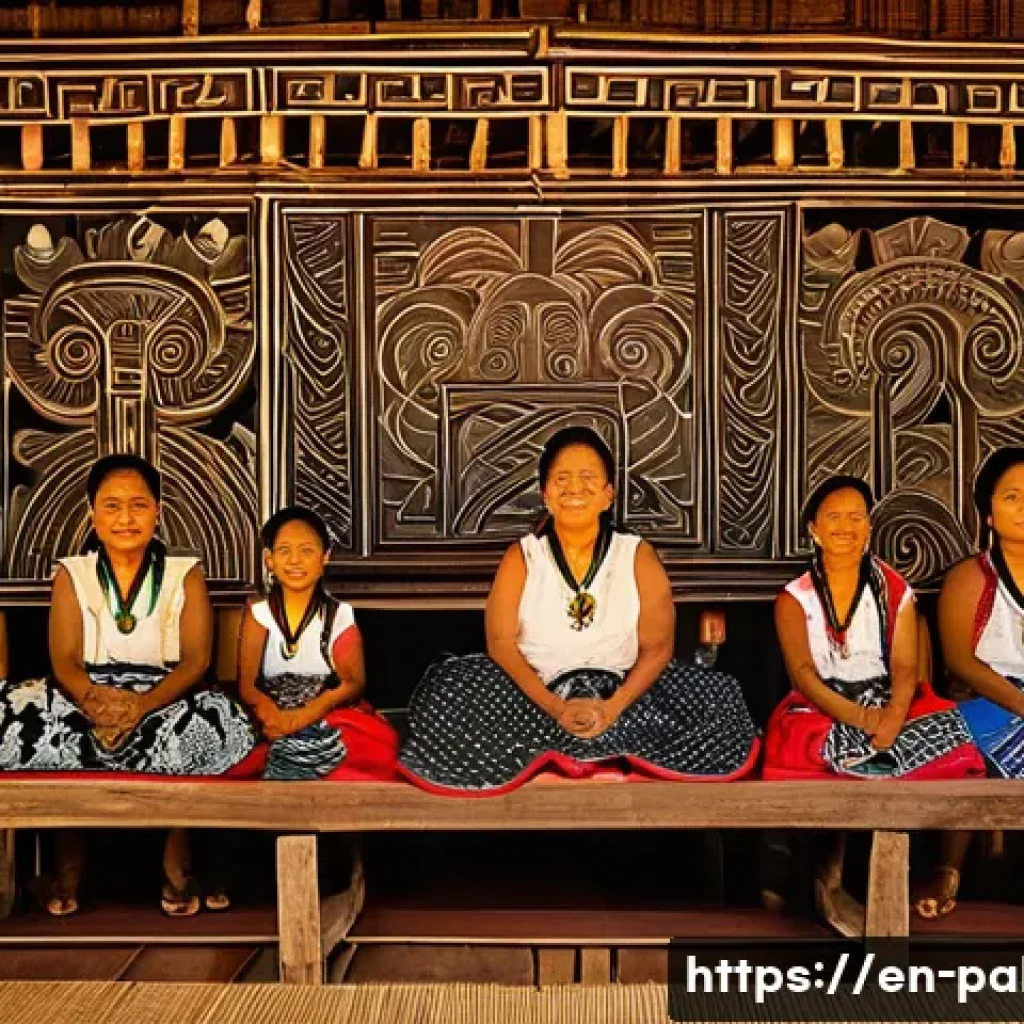
Palau’s society is deeply rooted in a matrilineal system, where lineage and inheritance flow through the mother’s side. This creates a powerful role for women within clans, who not only pass down family names but also hold significant authority in decision-making processes.
From land ownership to ceremonial leadership, women’s roles are pivotal. I’ve found that this structure fosters a strong sense of identity and continuity, as family ties are clearly traced and respected across generations.
Unlike many other Pacific cultures, Palauan clans emphasize maternal bonds as the backbone of their social fabric, which influences everything from dispute resolution to resource management.
Micronesian Community Bonds and Leadership
In contrast, many Micronesian island communities operate with more flexible kinship systems, often bilateral or patrilineal, depending on the island group.
Leadership tends to be more communal, with chiefs and elders chosen for their wisdom and service rather than strict hereditary lines. What struck me during a visit to Chuuk was how leadership roles were earned through demonstrated skill, particularly in navigation and fishing.
This meritocratic aspect allows Micronesian societies to adapt and thrive amid environmental changes, as leaders are respected for practical knowledge and contributions rather than lineage alone.
The social structure, while less rigid than Palau’s, still maintains strong community cohesion through shared responsibilities and mutual support.
Comparing Clan Influence and Social Roles
The contrast between Palau’s matrilineal clans and Micronesia’s more fluid social structures highlights different approaches to governance and social identity.
Palauan clans can be seen as guardians of tradition, preserving cultural norms through maternal lines, while Micronesian communities emphasize adaptability and collective leadership.
Both systems, however, reflect a deep respect for family and community, proving that social organization in the Pacific is as diverse as its islands.
Linguistic Diversity and Language Preservation
The Palauan Language and Its Unique Features
Palauan is a distinct language that belongs to the Austronesian family but stands apart with unique phonetic and grammatical structures. Speaking it feels like unlocking a cultural code, as many words carry meanings tied closely to local customs and environmental elements.
I noticed that despite the widespread use of English, especially among younger generations, efforts to preserve Palauan remain strong. Schools incorporate the language into curricula, and cultural festivals often showcase traditional chants and stories in Palauan.
This balance between modern communication and ancestral tongue helps maintain a living connection to heritage.
Micronesian Languages: A Mosaic of Dialects
Micronesia is home to a rich tapestry of languages, with dozens of dialects spoken across its island groups like Yap, Chuuk, Pohnpei, and Kosrae. Each language reflects the island’s history, migration patterns, and local environment.
What fascinates me is how these languages, though diverse, share common roots and vocabulary, making inter-island communication possible to some extent.
However, globalization and urban migration threaten many of these dialects, prompting community initiatives to document and teach them. The dynamic linguistic environment showcases both the fragility and resilience of cultural identity in Micronesia.
Language as a Cultural Anchor
Both Palauan and Micronesian languages serve as vital anchors for cultural expression and knowledge transmission. They encapsulate oral histories, traditional ecological knowledge, and social values.
Losing these languages would mean losing invaluable perspectives on island life and survival. Through conversations with locals and educators, I’ve come to appreciate how language preservation is not just about communication but about safeguarding a worldview that honors harmony with nature and community interdependence.
Traditional Navigation and Maritime Expertise
Palauan Seafaring Traditions
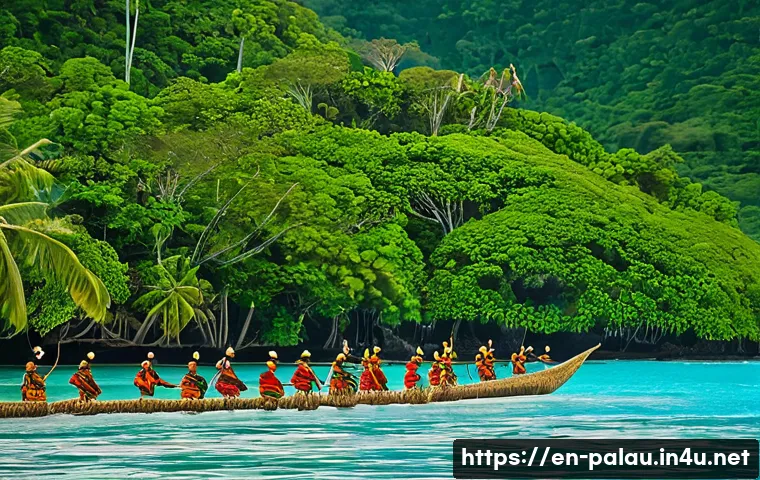
Though Palau’s island geography is relatively compact, its people have long relied on seafaring skills to connect communities and access resources. Traditional canoes, often ornately carved, are not only practical vessels but also cultural symbols.
I’ve heard stories from elders about navigating by stars, ocean swells, and bird patterns—skills passed down through generations. Even today, these practices are celebrated during cultural festivals, serving as a reminder of the intimate relationship between Palauans and the sea.
Modern navigation tools have supplemented these traditions, but the ancestral knowledge remains a source of pride and identity.
Micronesian Navigational Mastery
Micronesia is renowned for its extraordinary navigational heritage, especially among the Carolinian and Marshallese peoples. Their ability to traverse vast ocean distances without modern instruments is awe-inspiring.
What blew me away was learning about “wayfinding,” a technique involving detailed observation of stars, wave patterns, and wildlife behavior to guide voyages.
These methods are taught in apprenticeships, preserving an ancient knowledge system that challenges modern assumptions about navigation. The success of such long-distance voyages underscores the deep environmental awareness and ingenuity embedded in Micronesian culture.
Maritime Culture as Identity and Survival
Maritime expertise in both Palau and Micronesia is far more than practical skill—it’s a core element of cultural identity and survival. The ocean is a source of food, a transportation route, and a spiritual space.
Through seafaring traditions, communities maintain connections with their ancestors and neighboring islands. This shared maritime culture highlights the intimate bond Pacific Islanders have with their environment, emphasizing respect, stewardship, and adaptability in the face of changing seas.
Ceremonial Life and Festive Traditions
Palauan Ceremonies and Rituals
Ceremonial life in Palau is a vibrant tapestry of rituals that honor ancestors, mark life stages, and celebrate community achievements. One tradition that stands out is the “bul” system, a customary practice involving temporary restrictions on fishing or land use to conserve resources.
Participating in these rituals provides a tangible link to the past and reinforces community bonds. I’ve observed that ceremonies often blend spiritual reverence with social functions, featuring traditional dances, songs, and feasts that showcase Palauan artistry and hospitality.
Micronesian Festivals and Communal Celebrations
Micronesian festivals are lively occasions that bring together dance, music, and storytelling to celebrate cultural heritage. For example, the Yap Day festival is a spectacular event featuring traditional canoe races, stone money ceremonies, and elaborate costumes.
From my experience attending such events, the energy and pride of the participants are infectious, offering visitors a glimpse into the enduring vitality of these island cultures.
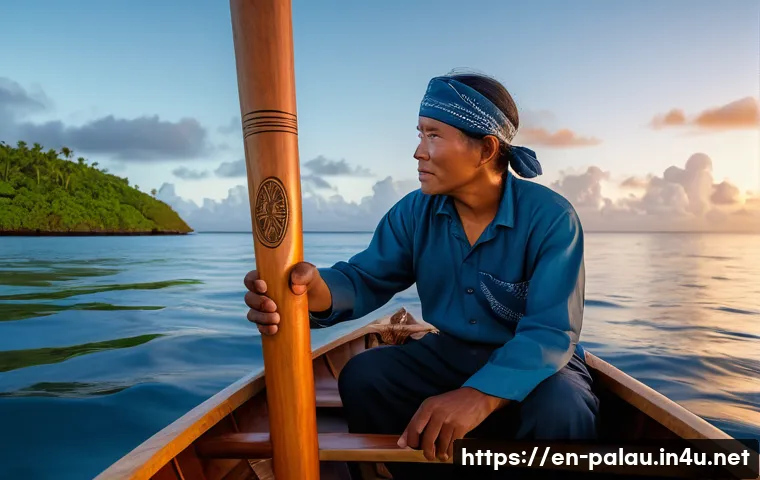
These festivals also serve as educational platforms, passing knowledge to younger generations and strengthening community identity.
Shared Themes of Respect and Renewal
Despite differences in specific customs, both Palauan and Micronesian ceremonial practices emphasize respect for nature, ancestors, and social harmony.
Rituals often coincide with seasonal cycles or significant communal milestones, reinforcing a worldview that celebrates renewal and balance. These ceremonies are not static relics but living traditions that adapt to contemporary realities while preserving essential cultural values.
Artistic Expressions and Craftsmanship
Palauan Artistic Heritage
Palauan art is characterized by intricate woodcarving, weaving, and tattooing, each medium carrying symbolic meanings tied to clan identity and spiritual beliefs.
I was particularly impressed by the craftsmanship involved in creating traditional bai meeting houses, where every carved panel tells a story. These artistic expressions are deeply integrated into daily life and ceremonial occasions, reflecting a sophisticated understanding of aesthetics and cultural memory.
The preservation of these art forms is supported by local artists who blend tradition with innovation, ensuring their relevance today.
Diverse Micronesian Craft Traditions
Micronesia’s artistic landscape is equally rich, featuring unique crafts like the Yapese stone money, finely woven mats, and shell jewelry. Each island group has developed distinct styles that reflect their environment and history.
During a visit to Pohnpei, I was fascinated by the meticulous process of weaving pandanus leaves into functional and decorative items, a skill passed down through generations.
These crafts not only serve practical purposes but also convey social status and communal identity, highlighting the inseparability of art and life in Micronesian culture.
Art as a Vehicle for Cultural Continuity
In both regions, art functions as a living archive, preserving stories, values, and ancestral wisdom. The act of creating and sharing art fosters intergenerational connections and reinforces cultural pride.
Observing artisans at work, I’ve seen how creativity is nurtured within community settings, blending respect for tradition with personal expression. This dynamic interplay ensures that artistic heritage remains vibrant and meaningful.
Environmental Stewardship and Traditional Ecological Knowledge
Palau’s Sustainable Practices
Palauans have long practiced environmental stewardship grounded in traditional ecological knowledge. The “bul” system exemplifies this, where temporary closures protect marine and terrestrial resources, allowing ecosystems to regenerate.
I’ve noticed how this practice is supported by modern conservation efforts, creating a powerful synergy between indigenous wisdom and scientific approaches.
Communities actively engage in managing their environment, demonstrating a profound respect for nature’s balance and an understanding of sustainability that modern societies can learn from.
Micronesian Environmental Adaptation
Micronesian islanders have developed sophisticated methods to live in harmony with their fragile environments. From rainwater harvesting to agroforestry techniques, their practices reflect centuries of adaptation.
On islands like Kosrae, I observed how traditional land management integrates with contemporary conservation programs, preserving biodiversity while supporting livelihoods.
This holistic approach emphasizes resilience, recognizing that environmental health is inseparable from cultural and social well-being.
Shared Values in Nature and Culture
Both Palauan and Micronesian cultures embody a worldview that sees humans as part of a larger ecological system. Their environmental practices are deeply embedded in cultural narratives and rituals, reinforcing the responsibility to protect natural resources for future generations.
This interconnectedness between culture and environment highlights the importance of preserving indigenous knowledge as a key to sustainable living.
| Aspect | Palau | Micronesia |
|---|---|---|
| Social Structure | Matrilineal clans with women holding significant authority | Flexible kinship, communal leadership based on merit |
| Language | Distinct Austronesian language with preservation efforts | Diverse dialects with shared roots, threatened by globalization |
| Navigation | Star and nature-based navigation within compact geography | Advanced wayfinding techniques for long-distance voyages |
| Ceremonies | Bul system, ancestral rituals blending social and spiritual roles | Festivals like Yap Day featuring dance, canoe races, and storytelling |
| Art | Woodcarving, weaving, tattooing linked to clan identity | Stone money, weaving, shell jewelry reflecting island diversity |
| Environmental Practices | Traditional resource management with bul system, modern integration | Adaptive land and water management sustaining fragile ecosystems |
Conclusion
Exploring the rich cultural landscapes of Palau and Micronesia reveals how deeply tradition, language, and environment shape island life. Both regions offer unique insights into social structures, navigation, and ecological wisdom that continue to thrive today. Understanding these connections enriches our appreciation of Pacific Islander heritage and their enduring relationship with nature and community.
Useful Information to Know
1. Palau’s matrilineal system places women at the heart of social and political life, making their role vital in clan leadership and resource management.
2. Micronesian communities emphasize merit-based leadership, valuing skills and wisdom over hereditary status, which supports social cohesion and adaptability.
3. Language preservation efforts in both regions are crucial for maintaining cultural identity amid the challenges of globalization and modern influences.
4. Traditional navigation methods, such as wayfinding in Micronesia and star-based sailing in Palau, showcase sophisticated indigenous knowledge passed down through generations.
5. Environmental stewardship practices like Palau’s bul system and Micronesian land management demonstrate sustainable living deeply integrated with cultural values.
Key Takeaways
The social, linguistic, and ecological traditions of Palau and Micronesia are interwoven expressions of identity and survival. Their distinct yet complementary systems highlight the importance of preserving indigenous knowledge, honoring community leadership, and maintaining harmony with the environment. These lessons provide valuable perspectives not only for cultural understanding but also for fostering sustainable practices in today’s world.
Frequently Asked Questions (FAQ) 📖
Q: How do Palauan and Micronesian cultures differ in their social structures?
A: Palauan society is well-known for its matrilineal clans, where lineage and inheritance pass through the mother’s line. This system deeply influences social roles, leadership, and property rights, emphasizing the power and respect given to women in their communities.
In contrast, many Micronesian cultures are organized around patrilineal or bilateral kinship systems, with a strong focus on male leadership and clan affiliations.
These differences highlight how history and environment have shaped distinct ways of organizing community and family life in the Pacific.
Q: What role does traditional navigation play in Micronesian culture compared to Palau?
A: Micronesia has a legendary reputation for its ancient navigation skills, with seafarers expertly reading stars, ocean swells, and bird flight patterns to traverse vast distances without modern instruments.
This navigational knowledge is a cornerstone of Micronesian identity and cultural pride, passed down through generations. While Palauans also have a rich maritime tradition, their navigation techniques are generally less emphasized compared to Micronesia’s celebrated star navigation, reflecting different historical needs and geographic contexts within the Pacific.
Q: In what ways do language and traditions connect or separate Palauan and other Micronesian communities?
A: Palauan language is part of the Austronesian family but stands apart with its unique vocabulary and grammar, setting it apart from many other Micronesian languages like Chuukese or Yapese.
Despite this, both Palauan and other Micronesian communities share common cultural themes such as respect for elders, communal living, and reverence for the natural world.
These shared values create a strong cultural connection across the region, even as linguistic differences underscore each community’s unique identity.