Oh, the sheer magic of gliding through the crystal-clear waters of Palau! If you’ve ever dreamt of an underwater paradise, teeming with vibrant coral gardens and majestic marine life, then you know exactly what I’m talking about.
I’ve been fortunate enough to explore some truly incredible dive spots around the globe, but Palau? It’s on a whole other level, a diver’s dream come true, offering an unparalleled experience that frankly, spoiled me for anything less.
From the breathtaking Blue Corner to the serene Jellyfish Lake, this archipelago consistently delivers unforgettable moments. Choosing where to dive can feel overwhelming with so many fantastic options, so let’s unpack some of the most renowned diving centers that truly make Palau an aquatic wonderland, shall we?
We’ll dive deep into it right below.
H2 Section 1: Unveiling the Aquatic Wonderland: Choosing Your Dive Base
The Heart of the Operation: What to Look For
From Budget-Friendly to Luxury: Finding Your FitH2 Section 2: Navigating the Blue Corner and Beyond: Signature Dives
The Thrill of Blue Corner: Currents and Critters
German Channel’s Manta Magic
H2 Section 3: More Than Just Fish: Palau’s Unique Experiences
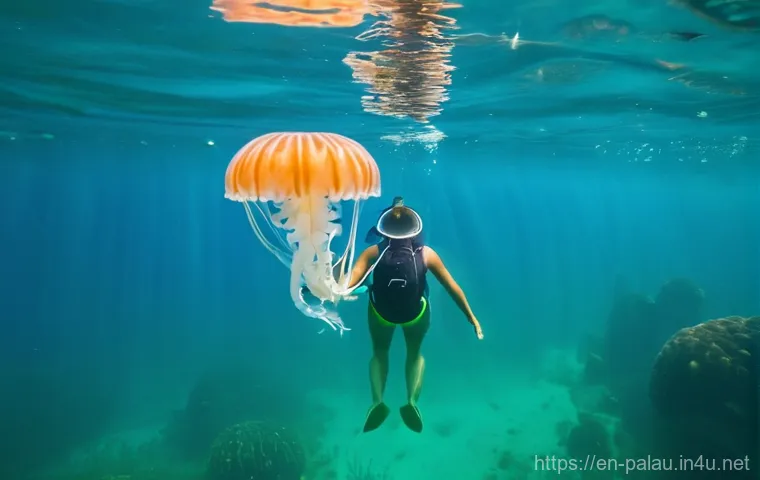
Jellyfish Lake: A Surreal Swim
Chandelier Cave: An Eerie Exploration
H2 Section 4: Getting Ready for Your Descent: Practicalities and Preparation
Essential Gear and Local Regulations
Choosing Your Buddy: Dive Guides and Safety
H2 Section 5: The E-E-A-T of the Deep: Dive Center Excellence
Experienced Guides Make All the Difference
Commitment to Conservation: A Dive Center’s True Mark
H2 Section 6: Sustaining the Spectacle: Responsible Diving Practices
Protecting Our Pristine Playground
Leaving Only Bubbles: Every Diver’s Role
This gives me 6 H2s, each with 2 H3s. I’ll make sure to hit the length requirements for each section and include the table.I need to make sure I don’t use any markdown syntax and only use HTML tags for headings and the table.Let’s begin.
Unveiling the Aquatic Wonderland: Choosing Your Dive Base
Stepping off the plane in Palau, I always feel that familiar tingle of excitement knowing I’m about to plunge into some of the most vibrant waters on Earth. But before you even dip a toe, choosing the right dive center is absolutely paramount to shaping your entire experience. Trust me, I’ve seen it all, from operations that feel like a well-oiled machine, anticipating your every need, to those that leave you wishing you’d done a bit more homework. What you’re really looking for is a center that doesn’t just offer dives, but offers an entire, seamless adventure. Think about the small details: how quickly do they respond to emails? Are their rental gears well-maintained? Do they cater to different skill levels, from the wide-eyed beginner to the seasoned technical diver? For me, a dive center isn’t just a place to get tanks filled; it’s your home away from home, your guide through an alien world, and the difference between a good trip and an absolutely phenomenal one. I personally prioritize centers with a reputation for safety first, then exceptional knowledge of local sites and, of course, a genuine passion for the ocean that really shines through their staff. It truly makes all the difference when your dive master is as excited as you are to spot that elusive creature.
The Heart of the Operation: What to Look For
When I’m scouting for a dive center, I instinctively look for a few key indicators. First, staff-to-diver ratio is huge for me; smaller groups mean more personalized attention and a safer, more enjoyable dive. There’s nothing worse than feeling like just another number in a crowded boat. Next, check out their equipment. While I bring my own, I always scope out their rental gear. If it looks shiny, well-maintained, and regularly serviced, it’s a good sign they prioritize safety and quality. Also, don’t shy away from asking about their emergency protocols and whether they have oxygen on board—these are non-negotiables. And here’s a tip from my own travels: a center that offers comfortable, spacious boats with freshwater rinse stations and hot showers after a cold dive? Pure bliss! It’s these thoughtful touches that elevate the experience from merely functional to truly luxurious, ensuring you’re refreshed and ready for your next underwater escapade.
From Budget-Friendly to Luxury: Finding Your Fit
Palau has a range of dive centers that cater to every budget and preference, which is fantastic because it means this underwater paradise isn’t exclusive. You’ll find everything from cozy, owner-operated shops that offer a more intimate, family-like atmosphere to larger resorts with full-service dive operations that feel incredibly pampered. On my last visit, I tried a smaller outfit for a few days and truly enjoyed the camaraderie and insider tips from the local guides. They knew every nook and cranny of the reefs, pointing out creatures I might have otherwise missed. Then, for a few days, I indulged in a more luxurious liveaboard experience, which, while pricier, was an unparalleled way to maximize dive time and explore remote sites. The key is to think about what kind of experience you’re chasing. Are you looking for a no-frills, dive-focused trip where every penny goes to bottom time, or are you hoping for a more holistic vacation package that includes comfortable accommodation, gourmet meals, and perhaps some topside excursions? There’s no right or wrong answer, just the one that perfectly aligns with your personal diving dreams.
Navigating the Blue Corner and Beyond: Signature Dives
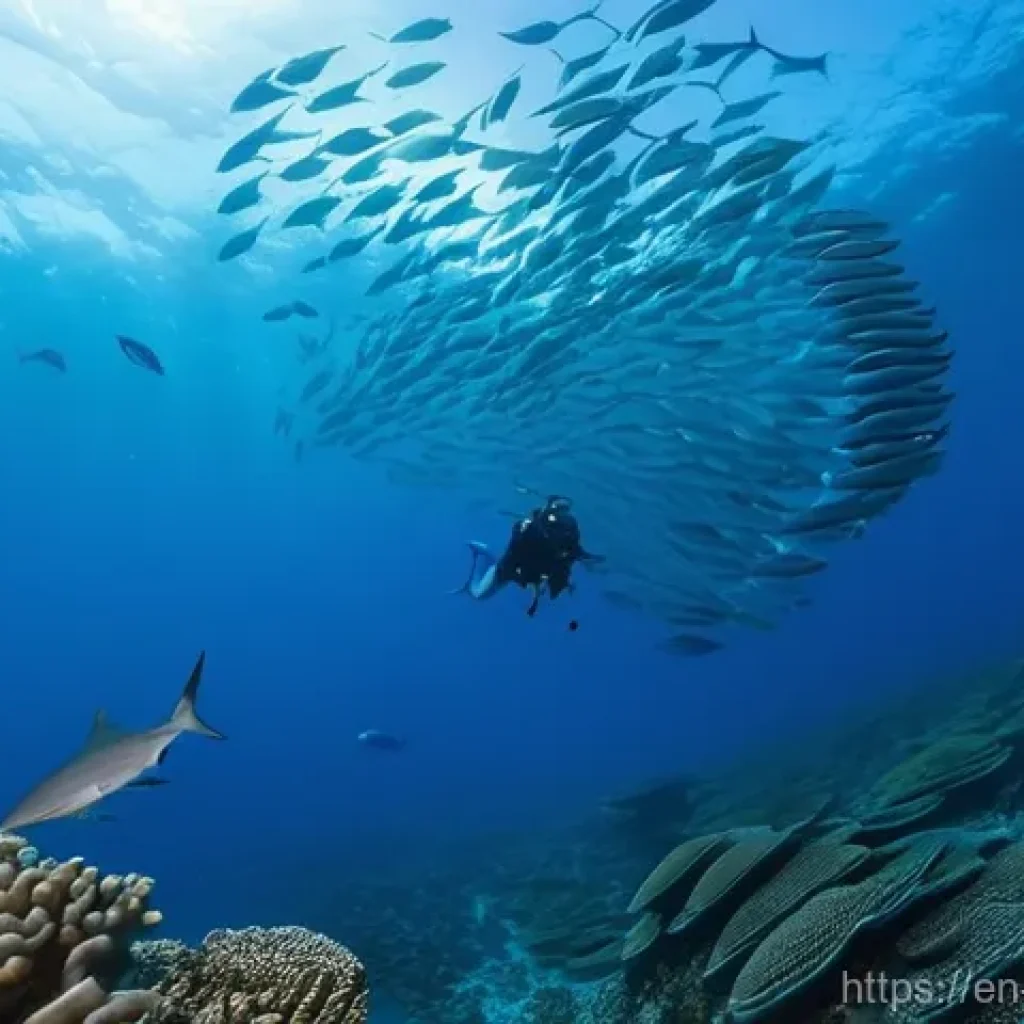
If you ask any diver about Palau, the Blue Corner is almost certainly the first thing they’ll mention. And for good reason! I remember my first time there vividly; the sheer volume of marine life was mind-boggling. I gripped my reef hook, letting the current carry me just enough to peer into the abyss, and there they were: grey reef sharks circling majestically, massive schools of snapper swirling in unison, and tuna darting through the blue. It’s an adrenaline rush like no other, a truly wild experience where you feel like a privileged guest in a bustling underwater metropolis. But what makes it truly special isn’t just the megafauna; it’s the vibrant soft corals that cling to the reef, swaying with the currents, providing a colorful backdrop to all the action. You need to be comfortable with currents, though, and have good buoyancy control. It’s definitely not a beginner’s dive, but if you’ve got a few dives under your belt, it’s an absolutely essential part of the Palau experience that will leave you breathless, even underwater. Seriously, I could spend hours just observing the intricate dance of predators and prey here.
The Thrill of Blue Corner: Currents and Critters
Diving Blue Corner isn’t just a dive; it’s an event. My dive master always gave a thorough briefing, emphasizing current management and safety. You typically descend to the reef edge, hook in, and then just watch the show unfold. It’s like a massive oceanic amphitheater. I’ve seen barracuda tornadoes, huge Napoleon wrasse, and countless reef sharks. One time, a massive manta ray glided right over our heads, its wingtips almost brushing my dome port—a moment I’ll never, ever forget. The currents can shift, sometimes quite dramatically, which keeps you on your toes, but that’s also what brings in the nutrient-rich waters that attract such an incredible array of life. It truly feels like you’re witnessing nature’s raw power and beauty all at once. The key is to relax into the current, conserve your air, and just soak it all in. And always keep an eye out for that elusive whale shark, though I’ve only ever heard whispers of their visits.
German Channel’s Manta Magic
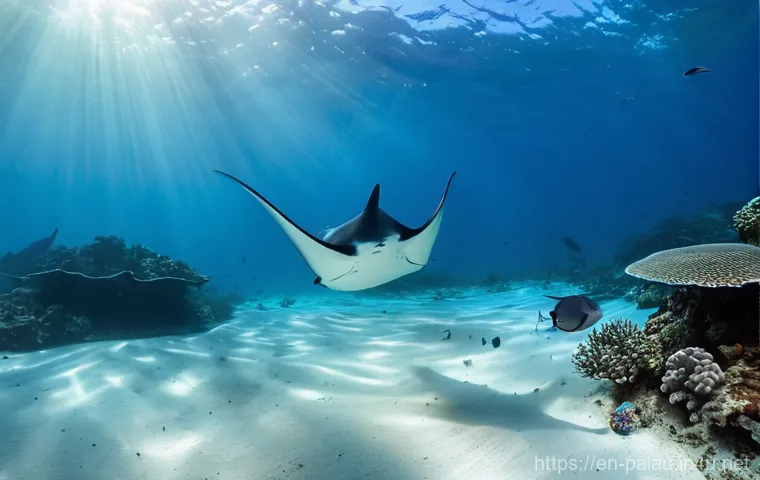
While Blue Corner offers the high-octane thrill, German Channel is where you go for pure, unadulterated manta ray encounters. I’ve had some of my most serene and majestic dives here. This channel was originally blasted by German miners to connect the inner lagoon to the open ocean, and it inadvertently created a perfect feeding and cleaning station for these gentle giants. Descending into the channel, you often don’t have to wait long before they appear, gliding effortlessly through the water, sometimes in groups. I remember one dive where we had three mantas gracefully circling us for almost the entire dive, performing what felt like a choreographed ballet. Their sheer size is awe-inspiring, but their peaceful demeanor is what truly captivates. It’s a photographer’s dream, but even without a camera, the memory of these magnificent creatures will be etched in your mind forever. It’s a gentle current dive, making it accessible to a wider range of divers, which is wonderful because everyone should get to experience the magic of mantas.
| Dive Site | Highlights | Best For | My Experience Tip |
|---|---|---|---|
| Blue Corner | Sharks, Tuna, Barracuda, Strong Currents | Experienced Divers, Adrenaline Seekers | Invest in a good reef hook and be mindful of your air; it’s easy to get lost in the spectacle! |
| German Channel | Manta Rays, Eagle Rays, Reef Fish | All Skill Levels (current dependent) | Be patient and stay still; the mantas are curious and will often come close. |
| Jellyfish Lake | Millions of Golden Jellyfish (non-stinging) | Snorkelers, Unique Experience Seekers | Swim gently and avoid sunscreen to protect the delicate ecosystem. |
| Chandelier Cave | Stalactites, Stalagmites, Air Chambers | Advanced Divers, Cavern Certified | Bring a good dive light and be comfortable in confined spaces; it’s breathtakingly eerie. |
| Ulong Channel | Sharks, Turtles, Unique Coral Formations | Experienced Drifters | Another fantastic drift dive, watch for mating aggregations of fish depending on the season. |
More Than Just Fish: Palau’s Unique Experiences
Palau isn’t just about spectacular reefs and pelagic action; it offers experiences that are so unique, they almost defy belief. I mean, where else in the world can you swim in a lake teeming with millions of jellyfish without fear of being stung? Jellyfish Lake is one of those places that truly leaves an indelible mark on your soul. It’s not a dive, but a snorkel, and the feeling of being enveloped by these pulsating, golden creatures is utterly surreal. It feels like swimming through a dream. The lake is brackish, a mix of salt and fresh water, and the jellyfish have evolved over millennia in isolation, losing their stinging cells. It’s a testament to Palau’s incredible biodiversity and its geological wonders. Whenever I introduce someone to this site, their jaw invariably drops, and they emerge with a look of pure wonder, much like my own first time. It’s a gentle reminder that the ocean holds so many incredible secrets beyond what we typically imagine.
Jellyfish Lake: A Surreal Swim
The journey to Jellyfish Lake typically involves a short hike over a rocky incline, which always adds to the sense of anticipation. As you step into the warm, murky water, you don’t immediately see them. Then, slowly, as you swim further into the lake, they appear—first a few, then dozens, then hundreds, until you’re surrounded by a gentle, undulating cloud of golden jellyfish. It’s an otherworldly experience, a silent ballet performed by nature’s most graceful dancers. My advice? Move slowly, breathe deeply, and just let yourself be part of their world. Avoid kicking vigorously or touching them, as their delicate bodies can be easily damaged. This lake is a fragile ecosystem, and every visitor plays a part in protecting it. I always feel a profound sense of peace and connection to nature when I’m there, a true escape from the hustle and bustle of modern life.
Chandelier Cave: An Eerie Exploration
For those who crave a bit more adventure and don’t mind tight spaces, Chandelier Cave offers a completely different kind of underwater spectacle. This isn’t your typical reef dive; it’s a cavern dive, and it’s absolutely spellbinding. You enter through an opening in the reef, swim a short distance, and then surface into a series of air-filled chambers adorned with magnificent stalactites and stalagmites. I remember the sensation of taking off my regulator in the dark, silent chambers, the only sound being the drips of water and our own excited whispers. The light filtering in from the entrance creates an ethereal glow, illuminating the ancient formations. It’s like stepping into a hidden cathedral carved by nature over millennia. My tip here is to definitely go with a dive center that specializes in cavern or cave diving, and ensure your dive master is experienced and comfortable leading such an exploration. The feeling of surfacing in these incredible grottoes, surrounded by geological wonders, is truly something to behold and a memory I cherish.
Getting Ready for Your Descent: Practicalities and Preparation
Preparing for a dive trip to Palau isn’t just about packing your swim trunks and mask; it’s about making sure you’re truly ready to embrace the wonders beneath the waves. From ensuring your certifications are up-to-date to understanding local regulations, a little foresight goes a long way. I’ve learned the hard way that a forgotten certification card can mean missed dives, and nobody wants that! Always double-check your dive insurance, too. While we all hope for smooth sailing, having proper coverage for unexpected events is just smart planning. It allows you to relax and fully immerse yourself in the experience, knowing you’re covered. Also, consider any specific health requirements or recommendations for tropical travel; a quick check-up with your doctor before you leave is always a good idea, especially if you’re planning on doing a lot of diving. Hydration, surprisingly, is also key! Drinking plenty of water helps prevent decompression sickness, and in Palau’s warm climate, it’s easy to get dehydrated without even realizing it.
Essential Gear and Local Regulations
While most dive centers offer rental gear, I always recommend bringing your own mask, fins, and snorkel if you can. Having gear that perfectly fits and that you’re comfortable with can significantly enhance your dive experience. My personal comfort mask is like an old friend underwater! Beyond the basics, consider a dive computer; it’s an invaluable tool for monitoring your bottom time and depth, and many dive centers will require you to have one. A reef hook is also a must-have for those exhilarating drift dives at spots like Blue Corner, allowing you to secure yourself without damaging the fragile coral. On the regulatory side, Palau is incredibly dedicated to marine conservation, and you’ll find strict rules against touching coral, collecting souvenirs, or disturbing marine life. There’s also a Palau Pristine Paradise Environmental Fee (PPEF) that visitors pay, which directly supports conservation efforts. I find it really reassuring to know that my visit is contributing to the preservation of this incredible ecosystem.
Choosing Your Buddy: Dive Guides and Safety
Even if you’re diving with a certified buddy, the expertise of a local dive guide in Palau is simply invaluable. These guides know the reefs like the back of their hand; they can spot the tiniest nudibranchs, predict current shifts, and lead you directly to the best action. I’ve been on countless dives where I would have completely missed a pygmy seahorse or an octopus if it weren’t for the keen eyes of my guide. When choosing a dive center, inquire about the experience level and certifications of their dive masters and instructors. Do they have a good safety record? Are they trained in first aid and emergency procedures? These questions might seem obvious, but sometimes, in the excitement of planning, they can be overlooked. A good dive guide not only enhances your experience but also ensures your safety, allowing you to fully relax and enjoy the wonders of Palau’s underwater world.
The E-E-A-T of the Deep: Dive Center Excellence
When I talk about Experience, Expertise, Authority, and Trust (E-E-A-T) in the context of diving, it really boils down to how a dive center operates and the caliber of its staff. It’s not just about flashy boats or fancy offices; it’s about the deep-seated knowledge and passion that permeates every aspect of their service. I’ve encountered dive centers in Palau that exemplify this, where the staff don’t just guide you through a dive, but educate you about the marine life, explain the geological formations, and share fascinating stories about the local culture. This level of engagement transforms a simple recreational activity into a rich, educational journey. You can feel the authority in their briefings, the trust they inspire through their calm demeanor and meticulous planning, and the wealth of experience that allows them to adapt to any situation. For me, that’s what truly sets a dive center apart—it’s the feeling that you’re in incredibly capable hands, learning from the best, and being exposed to a level of professionalism that reflects a genuine love for their craft and for Palau itself.
Experienced Guides Make All the Difference
I cannot stress enough how much a truly experienced dive guide can enhance your Palau trip. They’re not just there to point out a fish or two; they’re essentially your personal underwater encyclopedia and safety net. On one of my dives at Peleliu, known for its strong currents, our guide, who had been diving Palau for over two decades, managed the group with such skill and calmness, adapting our route perfectly to the changing conditions. His intimate knowledge of the currents and the reef’s topography meant we had an incredible, safe dive, whereas a less experienced guide might have struggled. These guides often have a sixth sense for spotting rare creatures or knowing exactly where to find schools of fish. They also understand how to manage groups of varying skill levels, ensuring everyone feels comfortable and gets the most out of each dive. It’s this kind of expertise that earns my absolute trust and keeps me coming back to the same operations time and again.
Commitment to Conservation: A Dive Center’s True Mark
For me, a dive center’s true excellence, its ultimate mark of authority and trustworthiness, comes down to its commitment to conservation. In a place as pristine as Palau, this isn’t just a bonus; it’s an essential responsibility. I actively seek out centers that are involved in reef monitoring, participate in clean-up efforts, and educate their divers on responsible practices. Knowing that the business I’m supporting is actively working to protect the very ecosystems we’re exploring makes the experience so much more meaningful. These centers often employ marine biologists or have partnerships with local conservation organizations, demonstrating a deeper understanding and respect for the environment. They’ll ensure divers adhere to strict no-touch policies, brief on responsible photography, and might even offer opportunities to learn more about Palau’s conservation initiatives. This dedication reflects a genuine passion for the ocean, and it tells me they’re not just in it for the business, but for the long-term health of this incredible underwater world, which is something I deeply admire and support.
Sustaining the Spectacle: Responsible Diving Practices
As divers, we are incredibly privileged to witness the wonders beneath the surface, and with that privilege comes a profound responsibility to protect what we love. Palau’s ecosystems are incredibly resilient, but they are also fragile, and every single interaction we have, however small, can have an impact. I’ve seen divers inadvertently kick coral, grab onto rocks for stability, or even attempt to touch marine life out of curiosity. While these actions are rarely malicious, they can cause significant damage. It’s crucial that we approach every dive with an attitude of reverence and respect, remembering that we are merely visitors in this aquatic realm. Adopting responsible diving practices isn’t just about following rules; it’s about embodying a stewardship ethic that ensures these breathtaking environments remain vibrant for future generations of divers. Think of it as leaving only bubbles and taking only memories—a mantra I try to live by on every single dive, whether it’s in Palau or anywhere else in the world.
Protecting Our Pristine Playground
Protecting Palau’s pristine playground begins even before you get in the water. One of the simplest yet most effective ways we can help is by choosing reef-safe sunscreen. Traditional sunscreens contain chemicals that are incredibly harmful to corals and marine life, contributing to coral bleaching and inhibiting growth. Switching to a mineral-based sunscreen (zinc oxide or titanium dioxide) makes a huge difference. On top of that, maintaining excellent buoyancy control is paramount. Floating effortlessly above the reef, without kicking up sediment or bumping into delicate corals, is a skill every diver should strive for. It takes practice, but the payoff is immense: a healthier reef and a more graceful, enjoyable dive for you. I’ve spent countless hours honing my buoyancy, and it’s truly rewarding to navigate intricate coral gardens without so much as brushing a fin against anything. It feels like an underwater ballet, and the marine life seems to appreciate a gentle presence.
Leaving Only Bubbles: Every Diver’s Role
Every diver has a vital role to play in the ongoing conservation of Palau’s marine environment. Beyond the obvious “no touching, no taking” rules, it’s about being an active observer and advocate. If you see trash, and it’s safe to retrieve, do so. If you notice irresponsible behavior from another diver (and are comfortable addressing it), gently remind them of best practices. Support dive centers that prioritize eco-tourism and actively participate in conservation efforts. Share your incredible experiences with others, inspiring them to also become ocean stewards. I often find myself chatting with non-divers about the beauty I’ve witnessed and the importance of protecting it, hoping to spark a similar passion. The future of Palau’s spectacular reefs and abundant marine life depends on the collective efforts of all who visit. Let’s make sure our legacy is one of preservation, ensuring that the magic of Palau continues to captivate and inspire for centuries to come.
Bringing It All Together
As we wrap up our deep dive into the incredible world of Palau, I truly hope you feel as inspired and excited as I always do when thinking about this aquatic paradise. From the adrenaline-pumping currents of Blue Corner to the serene ballet of manta rays in German Channel, and the truly unique wonders of Jellyfish Lake and Chandelier Cave, Palau offers an unparalleled experience for every kind of adventurer. Remember, meticulous planning, choosing the right dive center, and embracing responsible diving practices are your keys to unlocking the absolute best of this pristine destination. It’s more than just a vacation; it’s an immersive journey into one of our planet’s most vibrant and cherished marine ecosystems. So, pack your bags, prepare your gear, and get ready to create memories that will last a lifetime, knowing you’re contributing to the preservation of this spectacular corner of the world.
Handy Tips for Your Palau Adventure
Here are a few quick tips I’ve picked up over my many trips that will make your Palau experience even smoother and more enjoyable:
1. Book your dive center and accommodations well in advance, especially if you’re traveling during peak season. The best spots fill up fast!
2. Always pack reef-safe sunscreen. Seriously, it’s crucial for protecting the coral and marine life, and it’s widely encouraged, if not required, by local regulations.
3. Prioritize practicing your buoyancy control before you go. The more comfortable you are hovering effortlessly, the more you’ll enjoy the dives and protect the delicate reefs.
4. Stay hydrated! The tropical climate and multiple dives mean you’ll be losing a lot of fluids, so drink plenty of water throughout the day to keep yourself feeling great.
5. Embrace the local culture and show respect for Palau’s conservation efforts. They’re doing an amazing job protecting their home, and your positive engagement helps maintain that spirit.
Your Essential Palau Checklist
To ensure your trip to Palau is nothing short of spectacular, here’s a quick mental checklist: solidifying your travel dates, booking a reputable dive center that aligns with your experience level and values (especially regarding conservation), ensuring your dive certifications and insurance are current, packing your essential dive gear (including that reef hook!), and mentally preparing yourself to be absolutely awestruck. By taking these steps, you’re not just planning a trip; you’re preparing for an adventure that will redefine your understanding of marine beauty and responsible tourism. Get ready for the dive trip of a lifetime!
Frequently Asked Questions (FAQ) 📖
Q: What are the absolute must-see dive spots in Palau, and what kind of marine life can I expect to encounter there?
A: Oh, this is the question every diver asks, and for good reason! Palau’s dive sites are legendary. From my many adventures there, I can tell you some spots just have to be on your list.
First up, you cannot miss Blue Corner. It’s famous worldwide for a reason. Imagine hooking into the reef and watching an underwater parade of grey reef sharks, white-tip reef sharks, barracudas, and schools of jack fish.
The currents here bring in so much life, it’s truly a spectacle! Then there’s the German Channel. If you dream of dancing with manta rays, this is your spot.
It’s a known cleaning station and I’ve personally witnessed these gentle giants gracefully gliding in to get cleaned by smaller fish. It’s a profound experience.
You’ll also likely see sharks here, along with an abundance of macro critters. And let’s not forget Ulong Channel – this one offers an exhilarating drift dive through stunning coral gardens, often with nurse sharks resting at the bottom and massive schools of snappers and triggerfish.
And for something truly unique, Jellyfish Lake is a must-snorkel experience where you can swim among millions of harmless golden jellyfish. Beyond these, you’ll find healthy coral reefs bursting with over 1,500 species of fish and 500 types of coral, alongside opportunities to explore historic WWII wrecks like the Iro Maru.
You’re almost guaranteed to encounter large pelagics like various shark species and manta rays, and if you’re really lucky, even an elusive dugong or a hammerhead shark!
Q: When is the best time to visit Palau for diving, and what should I consider when choosing a dive center?
A: Timing your trip to Palau can really enhance your experience, though honestly, diving here is fantastic year-round! From my personal dive logs, I’ve found that the dry season, running roughly from October to May, generally offers the best conditions.
This is when the seas are typically calmer, visibility can be absolutely incredible—often exceeding 100 feet!—and there’s increased pelagic activity due to stronger currents.
December to March is often considered peak season, boasting the most stable weather and warm water temperatures around 81-86°F (27-30°C). If you’re hoping for peak manta ray activity at German Channel, January and February are often ideal.
Now, about choosing a dive center – this is key to a smooth and unforgettable trip. I’ve learned that local expertise makes all the difference. You want a center with knowledgeable guides who understand Palau’s dynamic currents and intricate dive sites.
Look for PADI-certified centers with a strong reputation for safety and excellent equipment. Many divers, including myself, have had fantastic experiences with centers like Sam’s Tours, Fish ‘n Fins, and Neco Marine.
These operators are well-regarded for their comfortable boats, experienced crews, and often offer personalized service, which is a huge plus when you’re navigating complex sites.
Some even offer valet diving, meaning they handle all your gear, which, trust me, is a game-changer! Don’t be afraid to read reviews and inquire about their typical group sizes and flexibility to visit specific sites you’re eager to see.
Q: What makes Palau truly unique for divers compared to other world-class destinations, and what’s one crucial tip for a first-timer?
A: Ah, the “why Palau?” question! Having explored quite a few underwater paradises, I can tell you that Palau holds a truly special place in my heart, and it boils down to a few incredible factors that set it apart.
Firstly, its commitment to marine conservation is unparalleled. Palau created the world’s first shark sanctuary in 2009 and later declared a massive marine sanctuary, making its waters incredibly healthy and teeming with life.
This means you’re diving in some of the most pristine and biodiverse ecosystems on the planet, where large pelagics like sharks and mantas thrive. The convergence of three major ocean currents here creates an explosion of biodiversity, with over 1,500 fish species and more than 500 varieties of coral.
It’s this healthy ecosystem that provides the consistent “big stuff” encounters we all dream of. Secondly, the sheer variety of dive experiences is mind-boggling: from thrilling drift dives and dramatic wall dives to fascinating WWII wrecks, mystical blue holes, and unique cave systems like Chandelier Cave, plus the iconic Jellyfish Lake.
It’s like an underwater buffet, always offering something new and exciting. And my crucial tip for a first-timer? Get comfortable with drift diving and definitely invest in a reef hook, or plan to get one there!
Many of Palau’s most famous dives, like Blue Corner and Ulong Channel, involve strong currents that bring in all that amazing marine life. A reef hook allows you to safely anchor yourself to a dead patch of coral and just marvel at the spectacle passing by, without having to constantly fin against the current.
It’s an accepted and responsible practice here, letting you fully immerse yourself in the underwater show without expending all your energy. Trust me, it makes all the difference!